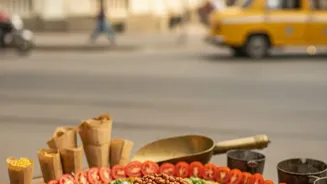



Beyond the usual samosa and pakora, a quieter, more diverse snacking revolution is taking place across India. At its heart is a renewed love for regional authenticity, and no tradition captures this shift better than Maharashtrian Faral.
What Exactly Is Faral?
Traditionally,
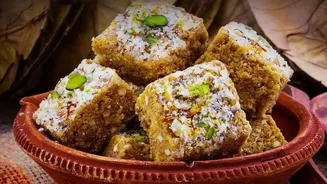
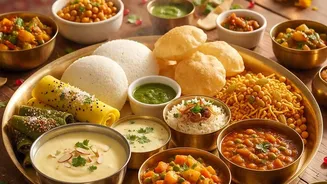
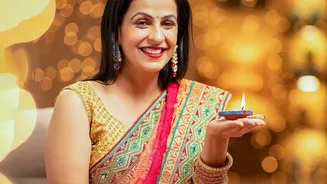
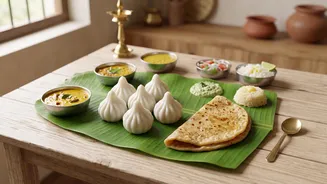
'Faral' is the name given to an elaborate assortment of sweet and savoury snacks prepared in Maharashtrian homes during Diwali. It is not a single dish, but a lovingly prepared collection of treats meant to be shared with family and guests who visit during the festival. Think of it as a festive platter, with each item telling a story of generational recipes and regional pride. While deeply rooted in Diwali traditions, the concept of Faral is breaking free from its festive-only confines. It is now becoming a symbol of Maharashtrian culinary identity, enjoyed year-round and finding a curious and appreciative audience across the country. This collection is designed for variety, balancing textures and flavours from crispy and spicy to soft and sweet.
A Tour of the Traditional Platter
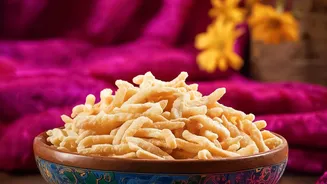
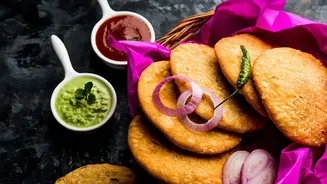
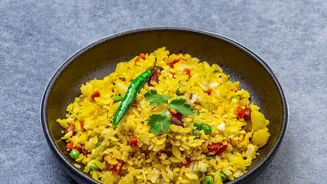
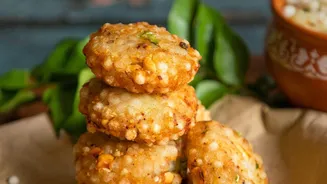
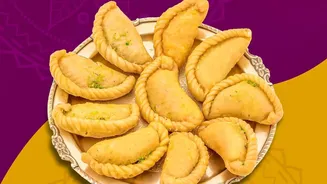
The beauty of a Faral platter lies in its diversity. On the savoury side, the undisputed star is the 'Chakli', a crunchy, spiral-shaped snack made from a spiced flour blend of rice and lentils. It’s often joined by 'Poha Chivda', a light and airy mix of flattened rice, peanuts, curry leaves, and spices. Another favourite is 'Tikhat Sev', spicy, noodle-like strands made from gram flour. For a bit of contrast, there are 'Namkeen Shankarpali', crispy, diamond-shaped savoury biscuits. On the sweet front, 'Karanji' is a must-have. This is a crescent-shaped pastry filled with a fragrant mixture of coconut, jaggery or sugar, and cardamom. Ladoos, particularly those made from 'Besan' (gram flour) or 'Rava' (semolina), are staple additions. Finally, 'Sweet Shankarpali' offers a mildly sweet, crunchy counterpoint to its savoury cousin, completing the symphony of tastes.
Why the Sudden Surge in Popularity?
The growing interest in Faral isn't happening in a vacuum. It's part of a larger movement across India towards celebrating hyper-regional food. For years, the mainstream snack market was dominated by generic, mass-produced options. Now, consumers are actively seeking authenticity and connection to their roots. This trend is amplified by a few key factors. Firstly, the rise of home chefs and small-scale food entrepreneurs, especially on social media, has given regional delicacies a powerful platform. These creators share not just food, but the stories and heritage behind them. Secondly, there's a growing 'foodie' culture that values exploration and discovery. For these consumers, trying Faral is like taking a culinary trip to Maharashtra. Lastly, the demand for traditional, less-processed foods is on the rise, and homemade Faral fits this description perfectly. Online stores are now even shipping Faral hampers to other countries, catering to the diaspora and new fans alike.
More Than a Mouthful
The ascent of Faral is about more than just taste; it's a reclamation of cultural identity. In a globalised world, there is a powerful desire to hold onto and celebrate what makes a region unique. Sharing Faral is an act of passing down tradition, with recipes and techniques often taught by grandmothers to the next generation. It represents the warmth of home, the joy of festivals, and the pride in a culinary legacy that has been perfected over centuries. As more people outside of Maharashtra discover these snacks, they are not just enjoying a tasty treat; they are participating in a larger story of India's incredible culinary diversity. It signals a shift in what we value: from the uniform to the unique, from the factory-made to the handcrafted.