






The Relentless Clock
For many urban professionals, the day is a frantic race against time. Long, congested commutes, coupled with a demanding work culture where long hours are often equated with dedication, leave little room for personal well-being. A recent survey highlighted
that nearly 88% of working professionals in urban India report a poor work-life balance, with many working over 50 hours a week. This phenomenon, known as 'time poverty', pushes health-conscious activities like cooking a nutritious meal, exercising, or even getting adequate sleep to the bottom of the priority list. The constant connectivity enabled by technology has further blurred the lines between work and personal life, creating an 'always on' culture that leads to chronic stress, fatigue, and burnout. When every minute is accounted for, choosing an extra hour of sleep over a morning jog isn't a sign of laziness—it's a calculated decision for survival.
When Health Becomes a Luxury
The perception that a healthy lifestyle is expensive is not unfounded in Indian cities. While basics like fresh vegetables have seen price fluctuations, the overall cost of a 'healthy' label can be steep. Organic produce, premium gym memberships, yoga studio fees, and specialized health foods often come with a price tag that is prohibitive for a large segment of the population. This creates a two-tiered system where wellness appears to be a luxury item. The irony is that unhealthy, processed foods are often cheaper and more readily available, making them the default choice for those on a tight budget or with limited time. Moreover, the rising cost of preventative healthcare and medical check-ups means many people delay seeking advice until a health issue becomes severe, at which point the economic burden is even greater.
When Your City Works Against You
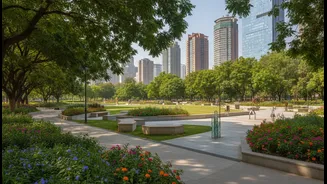
Perhaps the most formidable barrier is the 'built environment' itself. Many Indian cities have expanded rapidly with inadequate planning, prioritizing cars over people. This results in a hostile environment for wellness. Safe, clean, and accessible public spaces for recreation—like parks, playgrounds, and walkable footpaths—are scarce. Trying to go for a run often means navigating broken pavements, dodging traffic, and breathing in polluted air. This lack of health-promoting infrastructure forces citizens indoors, often towards sedentary activities. The poor air quality, noise pollution, and crowded streets are not just inconveniences; they are significant stressors that directly impact both physical and mental health, contributing to rising rates of respiratory and stress-related illnesses.
The Urgent Need for Change
These individual struggles are culminating in a national public health crisis. India is witnessing a sharp epidemiological shift from infectious diseases to chronic, lifestyle-related non-communicable diseases (NCDs). Conditions like diabetes, hypertension, and heart disease are surging, particularly in urban areas. Recent data shows nearly half the population reports having cardiovascular and metabolic ailments, a sharp increase from a decade ago. These conditions not only reduce the quality of life for individuals but also place an immense strain on the nation's healthcare system and economy. The rising out-of-pocket expenditure for treatment is pushing families into financial distress. Addressing healthy living is no longer just about personal choice; it's a critical component of building a resilient and productive nation.