



The Unbeatable Marigold (Genda)
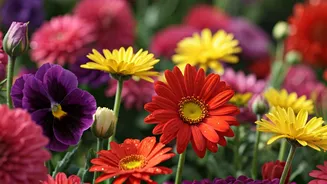
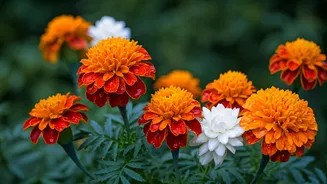
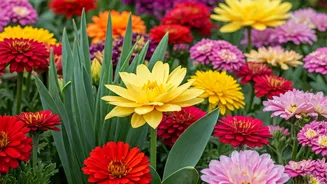
It’s no surprise that the humble marigold remains a top seller. Deeply woven into the fabric of Indian culture, its vibrant orange and yellow hues are synonymous with festivals and celebrations. But its popularity isn't just traditional. Gardeners love
Genda for its sheer hardiness. It thrives in India’s sun, requires minimal fuss, and its roots are known to repel nematodes, making it a fantastic companion plant. Modern gardeners appreciate it as a natural pest controller, planting it alongside vegetable patches. It’s a flower that is both beautiful and incredibly useful, making it a must-have for beginners and experts alike.
The Resilient Bougainvillea
For a spectacular, low-effort burst of colour, nothing beats Bougainvillea. These tough, woody vines are the heroes of hot, sunny balconies and gates. What people often mistake for petals are actually colourful leaf-like bracts in stunning shades of magenta, purple, red, and white. Their true flowers are tiny and white. The reason gardeners can't get enough? They are incredibly drought-tolerant, thriving on neglect once established. In a country with intense summers and concerns over water usage, a plant that delivers such a powerful visual punch with so little water is an undisputed champion. They are perfect for creating a vibrant, tropical look with minimal maintenance.
The Fragrant Jasmine (Mogra/Chameli)
The scent of jasmine on a warm evening is a core memory for many. This enduring love for its intoxicating fragrance keeps varieties like Mogra and Chameli at the top of shopping lists. These aren't just plants; they're perfume factories for your garden. They can be grown as sprawling bushes or trained as climbers, making them versatile for different spaces. The demand is also driven by their use in prayers and as natural hair adornments. A well-cared-for jasmine plant provides a steady supply of fragrant blooms through its flowering season, offering a sensory reward that few other plants can match. It’s a piece of living heritage that continues to enchant new generations of gardeners.
The Tropical Hibiscus (Gudhal)
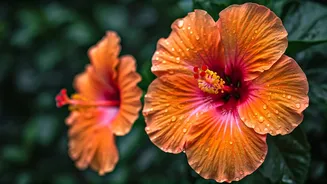
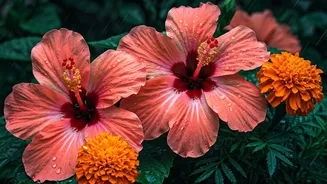
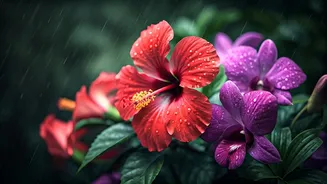
With its large, flamboyant blooms, the Hibiscus is the quintessential tropical flower. It’s a fixture in Indian gardens for good reason. It loves the sun and rewards gardeners with a near-constant display of stunning flowers in a vast array of colours, from classic red to exotic peaches and oranges. Beyond its ornamental value, the red Hibiscus holds a special place in prayer and is also recognised in Ayurveda. This blend of beauty and cultural significance ensures its perennial popularity. Nurseries are constantly introducing new hybrid varieties with even more spectacular colours and patterns, fuelling a collector's passion among enthusiasts.
The Trendy Adenium (Desert Rose)
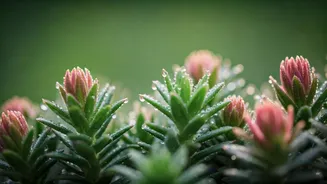
A relative newcomer to the top of the charts, the Adenium, or Desert Rose, has captured the imagination of modern gardeners. This succulent-like plant is prized for its thick, sculptural trunk (caudex) and striking, trumpet-shaped flowers. It’s perfect for the urban gardener who loves unique, architectural plants. Its popularity has surged because it's exceptionally well-suited to container gardening and requires very little water, aligning with trends towards water-wise and low-maintenance plants. It thrives in the hottest, sunniest spot you can find, making it an ideal choice for Indian rooftops and balconies where other plants might struggle.
The Enduring Rose (Desi Gulab)
No list of popular flowers would be complete without the rose. While English roses can be finicky in Indian climates, the demand for hardy, fragrant 'Desi' varieties is stronger than ever. These roses are celebrated for their powerful scent and resilience to local pests and diseases. Gardeners are specifically seeking out these time-tested varieties that promise the classic rose experience without the high maintenance of their foreign cousins. The 'Desi Gulab' isn't just a flower; it's an heirloom, perfect for making gulkand, rose water, or simply enjoying its unparalleled fragrance. It represents a return to roots and an appreciation for plants that are perfectly adapted to our home ground.