

Why Bother with a Seasonal Calendar?
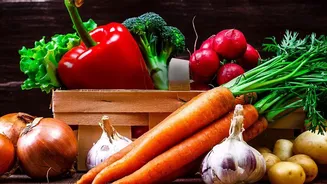
Before building a calendar, it’s worth remembering why eating seasonally matters. Produce that is in season is at the peak of its flavour and nutritional value. Think of the taste difference between a juicy, deep-red winter carrot and a pale, bland one
available off-season. Seasonal produce is also more abundant, which often means it is less expensive. Your local sabzi-wala will have crates of it, freshly sourced. Furthermore, choosing local, seasonal food reduces the environmental cost associated with long-distance transportation and prolonged cold storage, making it a more sustainable choice.
Mapping India’s Main Produce Seasons
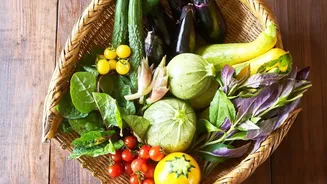
India’s climate is incredibly diverse, but we can generally think in terms of three major produce seasons, though the exact timings vary by region. Summer (March-June): This is the season for hydrating fruits and vegetables. Look for mangoes, watermelons, muskmelons, and litchis. Vegetables like cucumber, bottle gourd (lauki), and bitter gourd (karela) are abundant and help cool the body. Monsoon (July-September): The rains bring a new bounty. This is the time for fruits like jamun, plums, and peaches. For vegetables, you will find gourds like ridge gourd (tori), okra (bhindi), and staples like corn (bhutta) at their best. Many advise cooking leafy greens thoroughly during this season. Winter (October-February): Winter is a paradise for vegetable lovers. The markets are flooded with leafy greens like spinach (palak), fenugreek (methi), and mustard greens (sarson). It’s also the peak season for carrots, peas, cauliflower, and root vegetables. For fruits, citrus varieties like oranges and sweet limes (mosambi) are at their sweetest.
Your Weekly Regional Produce Checklist
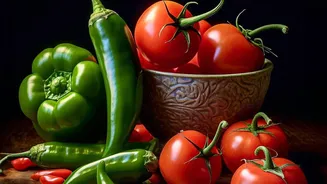
Instead of a rigid, universal calendar, the best approach is a flexible checklist you can adapt to your local market. Each week, aim to buy a balanced mix. This simple framework ensures variety and helps in meal planning: - 2-3 Main Vegetables: These are the base for your curries and sabzis. Think cauliflower, gourds, or beans, depending on the season. - 1-2 Leafy Greens (especially in winter): For dal, sabzi, or parathas. Options include palak, methi, or amaranth. - 2-3 Seasonal Fruits: These are for snacking or adding to breakfast. Buy whatever is fresh and local, be it guavas, grapes, or chikoo. - Aromatics and Herbs: Onions, tomatoes, ginger, garlic, and coriander form the base of most Indian cooking. Check your stock and replenish as needed. - A Special Item: Pick one less common seasonal item to try each week, like a yam, jackfruit, or a local berry. This keeps your meals interesting.
From Checklist to Packed Meals
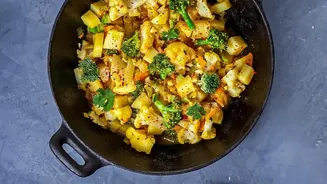
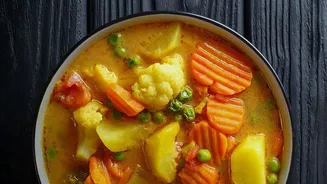
A good produce checklist is the foundation of quick and healthy packed meals. The key is simple preparation that lets the fresh flavours shine. For instance, winter carrots and peas can be quickly turned into a simple pulao or a dry sabzi to go with rotis. Monsoon-season gourds can be stir-fried with minimal spices for a light and digestible lunch. Summer cucumbers and tomatoes make a refreshing side salad. The trick is to do some prep over the weekend—perhaps by making a basic tomato-onion gravy or boiling some potatoes—to make weekday lunch packing even faster.
Seasonal Snacking Made Simple
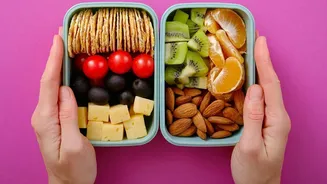
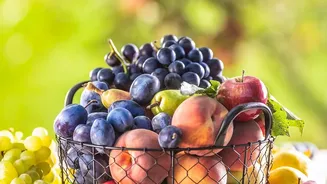
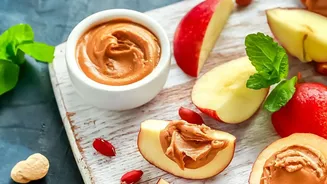
Snacks are where seasonal produce can truly make a difference, replacing processed options with fresh, vibrant flavours. A simple fruit chaat is a perfect example, combining whatever fruits are in season with a sprinkle of chaat masala for a refreshing and energising snack. In winter, a juicy orange provides a boost of Vitamin C. During the monsoon, a roasted corn on the cob (bhutta) is a classic healthy treat. Even vegetables can become great snacks. A handful of sweet green peas in winter, or carrot and cucumber sticks with a simple dip, are both easy and nutritious.