





A Sanctuary of Wings
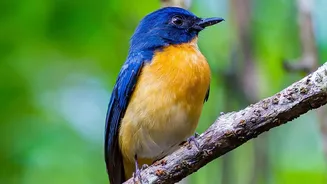
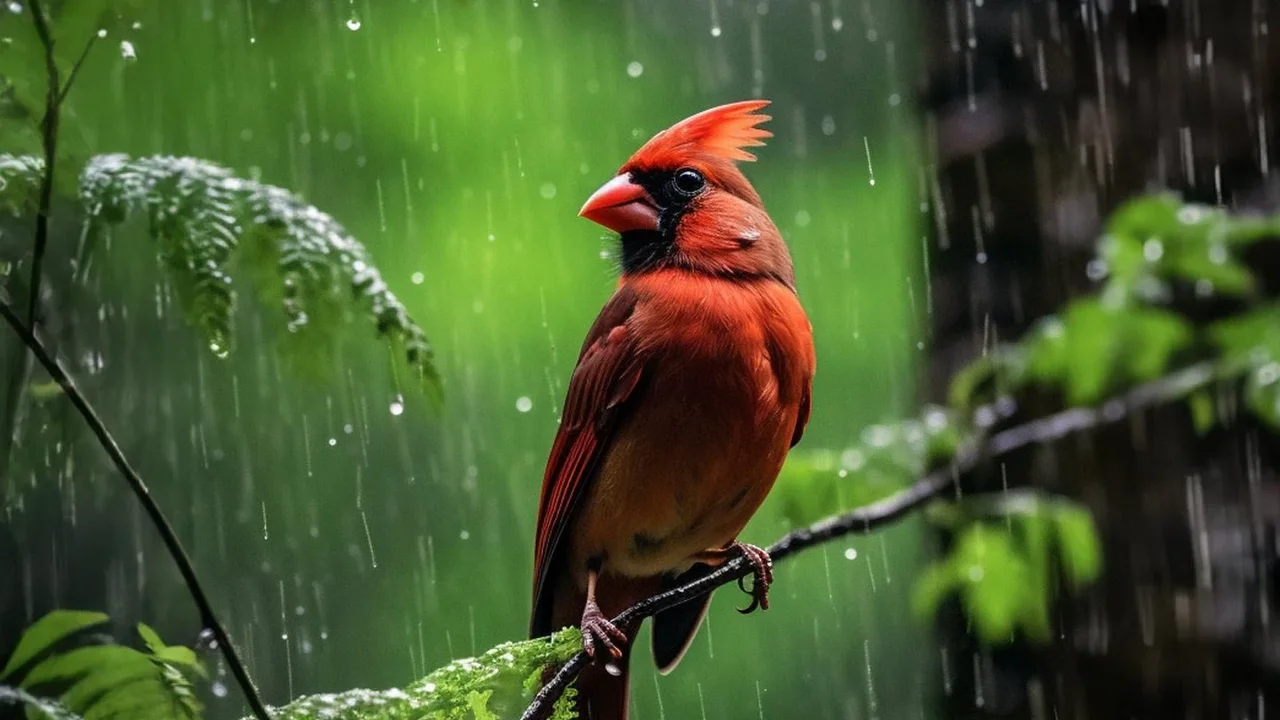
The Andaman and Nicobar Islands are a globally recognised biodiversity hotspot, home to around 270 bird species, many of which are endemic and cannot be found anywhere else on Earth. South Andaman, with its mix of tropical rainforests, mangroves, and wetlands,
serves as a crucial habitat. Locations like Chidiya Tapu (literally 'Bird Island'), Mount Harriet National Park, and the Sippighat wetlands have long been magnets for birders hoping to catch a glimpse of the Andaman Serpent-Eagle, the Andaman Woodpecker, or the elusive Andaman Crake. The islands' delicate ecosystems, however, mean that this incredible biodiversity is vulnerable to disruption. Increased tourism, while economically beneficial, puts pressure on natural resources and sensitive habitats.
The Promise of a New Trail
Recognising the growing interest, a new 'Rainforest Birding Trail' has been established at Kalatang in South Andaman. This guided walk, launched on August 1st, 2026, is designed to lead enthusiasts through dense tropical forests teeming with native and migratory bird species. Such structured initiatives represent a positive step towards managed eco-tourism. By creating designated paths and providing knowledgeable guides, the aim is to offer an immersive experience while concentrating human impact to a specific, manageable area. It’s an opportunity to channel the passion for nature into a format that is organised and, ideally, minimises disturbance to the surrounding wilderness. However, the success of such trails depends entirely on the behaviour of those who walk them.
Why Low-Impact Matters Here
In a fragile archipelago, the principles of 'leave no trace' are not just suggestions; they are necessities. The ecosystems that make the Andamans unique recover slowly from damage. Simple actions that might seem harmless elsewhere can have lasting consequences here. For birding, this is especially true. Getting too close to nesting birds can cause stress, leading to nest failure. Using recorded bird calls to lure birds out can disrupt their natural behaviours and routines. Leaving behind plastic waste, particularly single-use bottles and wrappers, poses a dire threat to both terrestrial and marine life. The goal of a nature traveller should be to observe and appreciate, acting as a silent guest in the birds' home, not a disruptive visitor.
A Code of Conduct for the Conscious Birder
Embracing low-impact etiquette isn't about limiting the fun; it's about enhancing the experience by deepening our respect for nature. For visitors to the new trail and beyond, a few key rules apply. First, silence is golden. Speak in low voices and move slowly to avoid startling wildlife. Second, keep a respectful distance. Use binoculars or a spotting scope for a close-up view rather than physically approaching the birds. Third, stay on the designated path to avoid trampling delicate vegetation and potential ground nests. Fourth, pack out everything you pack in. Waste management is a significant challenge on remote islands, and every traveller must take responsibility for their own litter. Finally, resist the urge for the perfect shot if it means disturbing the wildlife. An ethical photo of a bird at ease is worth more than a stressed close-up.
Beyond the Beaten Path
This code of conduct extends beyond the new birding trail. Whether you are snorkelling over coral reefs, hiking in a national park, or simply relaxing on a beach, mindfulness is key. Choose tour operators who prioritise sustainability and employ local guides who understand the environment. Support the local economy by patronising homestays and small businesses, which helps in distributing the benefits of tourism more evenly and fosters a community stake in conservation. Carry reusable water bottles to reduce plastic waste, a practice encouraged and even mandated on some islands. By making these conscious choices, every traveller becomes an active participant in protecting the very beauty they came to see.