





The Old Paradox of Size
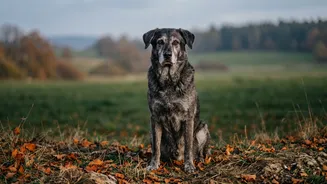
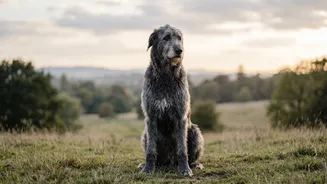
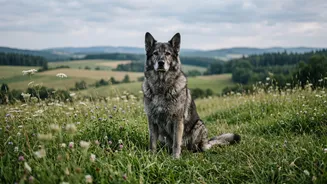
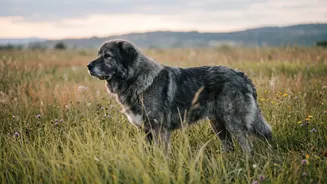
Anyone who has loved a Great Dane or a Saint Bernard, and also a tiny Pomeranian, knows the rule of thumb: bigger dogs have shorter lives. While a Chihuahua can live for 15 years or more, many giant breeds are considered seniors by age five and may not
see their tenth birthday. This has long puzzled scientists, because across the animal kingdom, the opposite is usually true—think of long-lived elephants versus short-lived mice. But within the single species of domestic dog, the trade-off is stark and undeniable. For decades, the best explanation was that larger bodies simply undergo more wear and tear, but this was an incomplete picture. Now, genetics is providing a more detailed and compelling reason.
Unlocking Clues in the Epigenome
Researchers with the Dog Aging Project, a massive undertaking to understand canine health, analysed the DNA of 894 dogs from a wide variety of breeds. They didn't just look at the genes themselves, but at the 'epigenome'—a layer of chemical tags on the DNA that control which genes are switched on or off. These tags, a process known as DNA methylation, change predictably as an animal ages. Think of it as an epigenetic clock that tracks biological age, not just chronological age. The study found that this clock ticks much faster in large dogs.
The Problem with 'Jumping Genes'
The investigation zeroed in on a specific part of the genome: transposable elements, also known as 'jumping genes'. These are ancient, rogue stretches of DNA that can copy themselves and paste those copies elsewhere, potentially causing genetic damage and instability that leads to diseases like cancer. Our bodies normally keep these jumping genes locked down with methylation tags. The study revealed that as dogs age, they lose these crucial chemical locks. This process, called demethylation, happens much more rapidly in large dogs. Specifically, a family of jumping genes called LINE-1 becomes active. Giant breeds lost about 35% more of their LINE-1 methylation per year compared to small breeds, essentially losing control of these disruptive genetic elements at a faster rate.
A Trade-Off Between Growth and Lifespan
So, why does this happen? The evidence points to an evolutionary trade-off. For centuries, humans have selectively bred dogs for size. This intense selection favoured genes that promote rapid growth, much of which is driven by hormones like Insulin-like Growth Factor 1 (IGF-1). While high levels of IGF-1 are great for getting a puppy to grow into a majestic giant, they come at a cost. Maintaining high growth signals into adulthood appears to accelerate the aging process at a cellular level. The very biological programming that creates their impressive size also seems to speed up their molecular clock and weaken their ability to control genetic damage over the long term. Large dogs' lives seem to run at a faster pace, leading them to age and die more quickly.
What This Means for Dog Owners
For the average dog owner, this new research doesn't change the fundamentals of good care. It does, however, help explain why large breeds are more prone to certain age-related diseases like cancer and orthopedic issues. While you can't change your dog's genetics, you can focus on giving them the best possible 'healthspan'—the period of their life that is healthy and active. This includes providing a high-quality diet appropriate for their breed size, maintaining a healthy weight to reduce strain on their joints and heart, and ensuring regular veterinary check-ups to catch any issues early. The findings may also pave the way for future therapies aimed at slowing the aging process. Companies are already developing drugs that target the IGF-1 pathway to potentially extend the healthy lives of large dogs.