



The Classic Hill Station Retreat
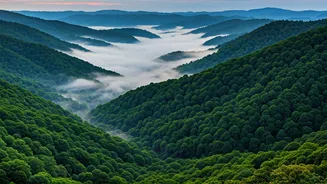
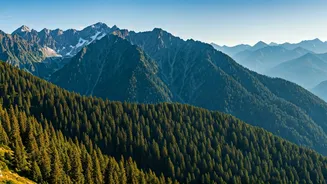
The original and most enduring strategy is the flight to the hills. Destinations like Shimla, Mussoorie, Ooty, and Darjeeling were established by the British for this very purpose, and their allure persists. These towns offer a tangible drop in temperature,
pine-scented air, and a nostalgic charm that’s hard to resist. While they can get crowded during peak season, the appeal of a stroll along the Mall Road, a hot cup of tea overlooking a misty valley, and the comfort of a colonial-era hotel remains a powerful draw. It’s a tried-and-tested formula for families and first-time heat-evaders, offering a predictable and pleasant respite from the scorching plains below. The infrastructure is well-established, making them accessible, though planning in advance is crucial to avoid the biggest crowds and highest prices.
The High-Altitude Adventure
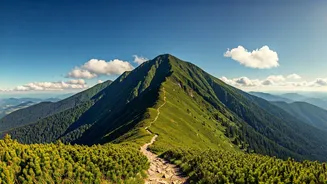
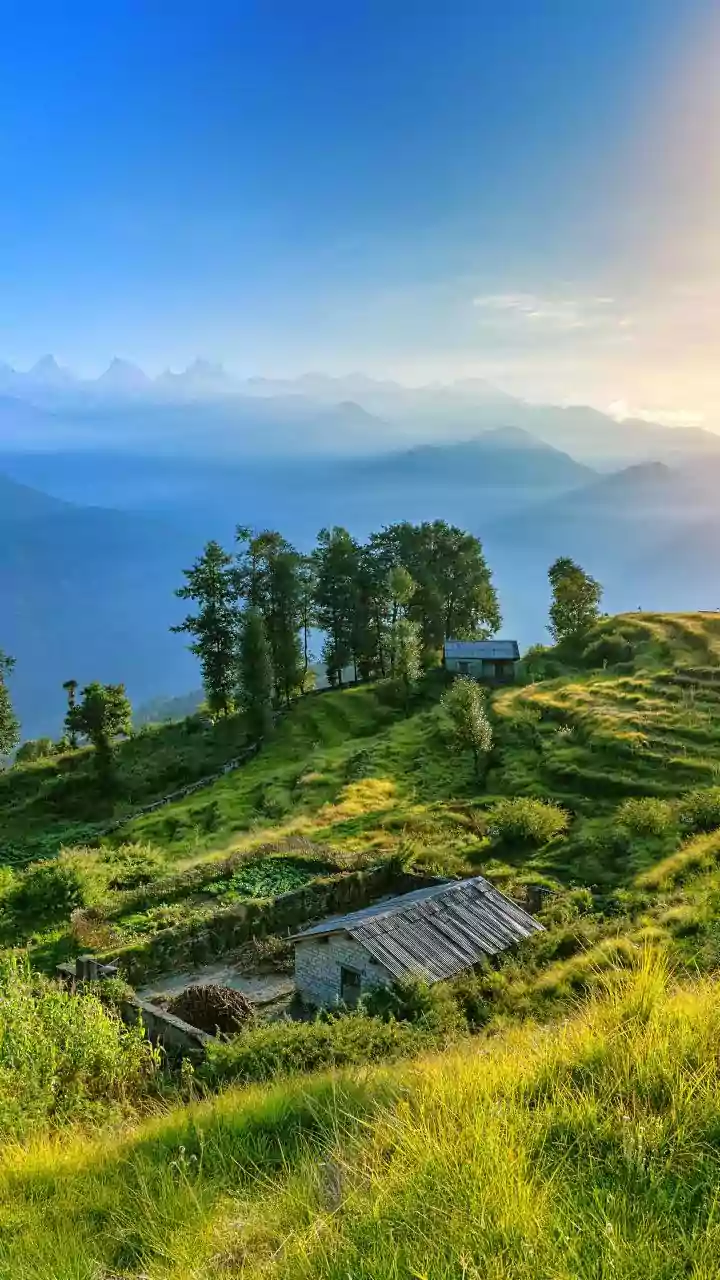
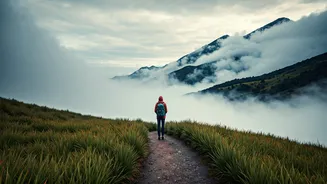
For those who find the classic hill stations too tame or crowded, the strategy is to go higher. Places like Ladakh, Spiti Valley, and parts of North Sikkim offer not just coolness, but a stark, breathtaking beauty. Here, escaping the heat means trading it for snow-capped peaks, azure lakes, and ancient monasteries perched on dramatic cliffs. This is an escape for the adventurer. The air is thin, the roads are challenging, but the reward is immense: a profound sense of solitude and a climate that requires a warm jacket even in June. This strategy is less about leisurely relaxation and more about an active, transformative journey. It's a popular choice among bikers, trekkers, and photographers looking to capture landscapes that feel otherworldly compared to the rest of India.
The Serene Southern Sanctuaries
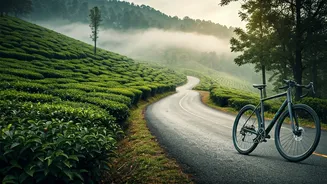
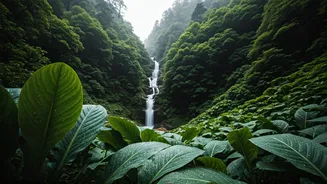
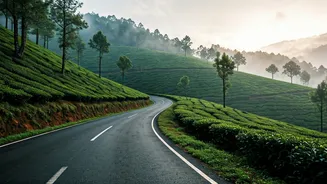
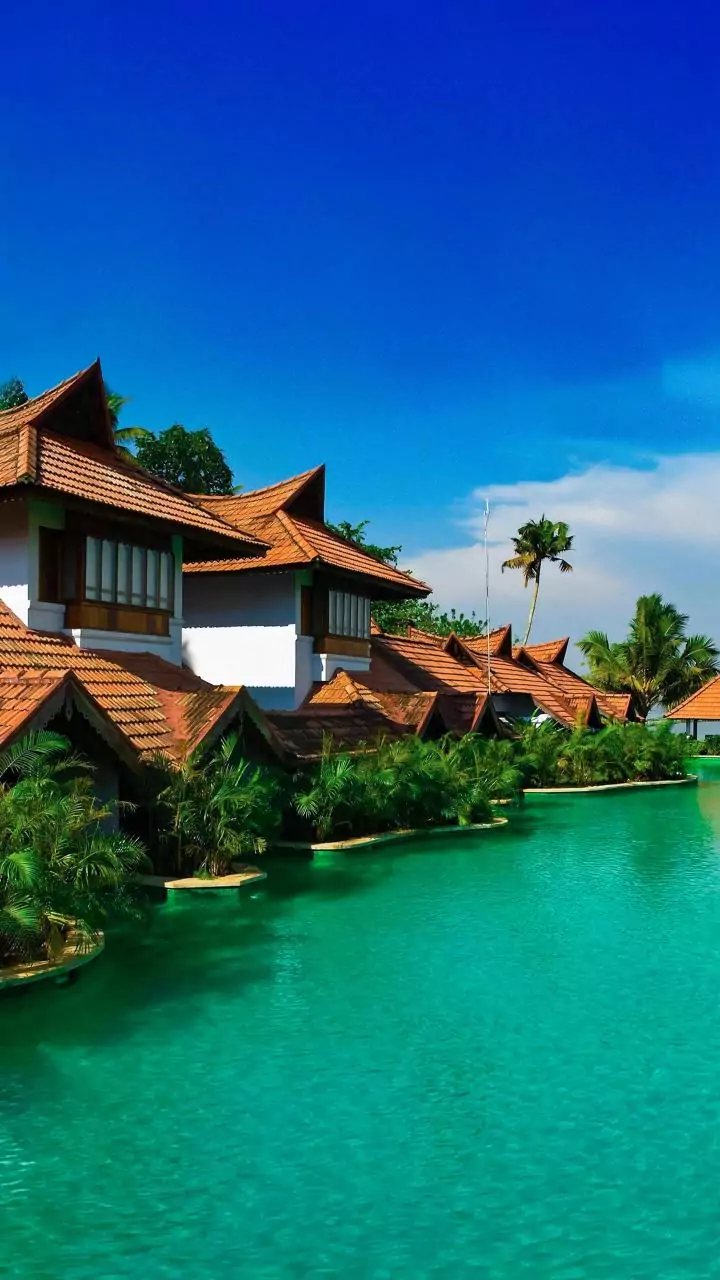
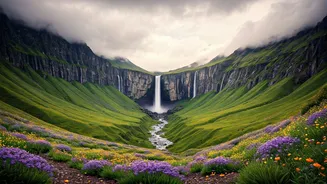
The assumption that summer escapes are only in the north is outdated. The Western Ghats in Southern India provide their own unique brand of cool. Destinations like Munnar in Kerala, Coorg in Karnataka, and Kodaikanal in Tamil Nadu offer a lush, green alternative. The heat here is less oppressive, moderated by altitude and dense vegetation. The landscape is a soothing tapestry of rolling tea plantations, coffee estates, and spice gardens, often shrouded in a gentle mist. This strategy is for those seeking tranquility and nature. Instead of bustling market roads, you'll find winding country lanes, homestays offering local hospitality, and the gentle chirping of birds. The pre-monsoon showers in late May and June add to the romantic, rejuvenating atmosphere.
The Unexpected Coastal Break
Heading to the coast to beat the heat might sound counterintuitive, but it’s a strategy that works if you choose wisely. The key is to avoid the peak summer months in places like Goa and instead opt for shoulder seasons or specific locations like the Andaman and Nicobar Islands. Here, the ocean provides a constant, cooling breeze, and the primary activity is being in the water. Scuba diving, snorkelling, and swimming in crystal-clear waters offer a direct and thrilling way to cool down. It’s a strategy focused on aquatic relief. The evenings are pleasant, perfect for a fresh seafood dinner on the beach. While humidity can be a factor, for water lovers, the trade-off is more than worth it for a chance to exchange city heat for an island paradise.
The Modern 'Workation' Strategy
The newest evolution in the summer survival handbook is the ‘workation’. Fueled by the rise of remote work, this strategy blurs the line between vacation and daily life. Instead of a short trip, people are now relocating to cooler places for weeks or even months. They rent a serviced apartment or a room in a homestay in a hill station or a quiet coastal town, working during the day and exploring in the evenings and on weekends. This approach allows for a prolonged escape from the heat without sacrificing productivity or using up all of one’s annual leave. It has given rise to a new ecosystem of co-working spaces and long-term rentals in places like Manali, Goa, and even smaller towns in Uttarakhand, turning a seasonal escape into a sustainable lifestyle choice.