





A Fundamental Shift in Travel
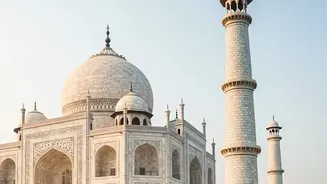
A quiet revolution is reshaping how Indians explore their own country. For decades, tourism often meant a predictable circuit of historical sites and bustling cities. Today, a growing wave of travellers is venturing off the beaten path, driven by a desire
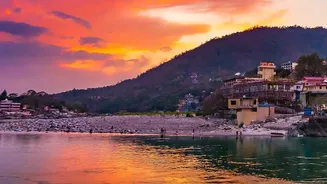
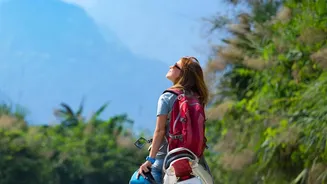
for more meaningful and immersive experiences. This isn't just about escaping the crowds; it's about connection—to nature, to local cultures, and to a slower, more deliberate way of life. Recent reports highlight that demand is expanding beyond traditional leisure travel into rural, wildlife, wellness, and spiritual tourism. This shift shows travellers are no longer just passive observers but active participants, looking for personal growth and authenticity in their journeys.
The Rise of the Conscious Traveller
Several factors are fuelling this trend. The post-pandemic world has left many with a renewed appreciation for open spaces and a desire to avoid over-touristed destinations. There is a clear move away from 'checklist-style' visits toward longer, more immersive journeys. Travellers are now drawn to lesser-known parks and regions, with interests in birding, photography, and conservation-led travel gaining significant traction. This evolving mindset is supported by improved infrastructure, with better roads and connectivity making remote areas more accessible than ever. Furthermore, social media plays a role, as images of unique farm stays and serene wildlife encounters inspire others to seek out similar authentic experiences, moving beyond the 'perfect holiday' to something more personal.
The Homestay and Agritourism Boom
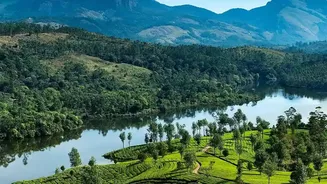
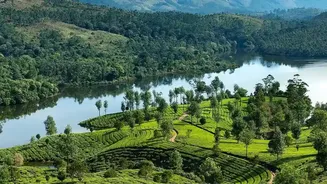
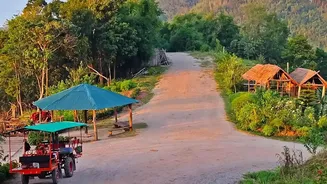
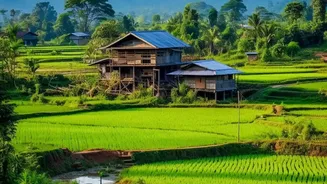
At the heart of this movement is the rise of homestays and agritourism. These models offer a stark contrast to impersonal hotels, providing visitors a genuine window into local life. By staying with a family, travellers can participate in daily activities, share home-cooked meals, and gain a deeper understanding of regional traditions. This has proven to be a powerful engine for rural economies. Homestays create direct income for families and generate jobs for guides, cooks, and artisans, helping to reduce migration to cities. States like Maharashtra, Kerala, and Punjab are becoming hubs for agritourism, offering experiences from vineyard tours and spice plantation walks to tractor rides and traditional farming activities. This form of tourism is growing rapidly, creating a low-capital but high-impact market that empowers local communities, especially women.
Wildlife Tourism Reimagined
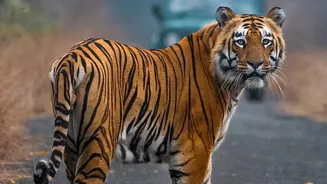
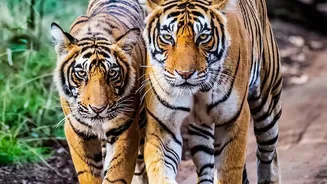
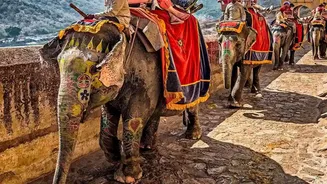
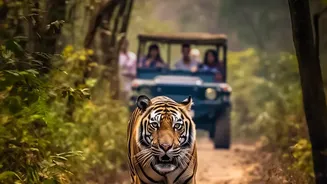
Wildlife tourism is also evolving. It's no longer just about the thrill of a jeep safari and a quick tiger sighting. Today's wildlife experiences are more nuanced and educational. Lodges and resorts near national parks are focusing on sustainability and deeper engagement with the landscape. The guest profile has diversified from hardcore enthusiasts to include families, couples, and solo travellers seeking a 'digital detox' and meaningful time in nature. This has led to longer stays, allowing for activities like nature walks, bird watching, and learning about conservation efforts, fostering a more profound connection with the environment. Branded operators are entering destinations like Ranthambore and Satpura, recognising this niche as a high-yield opportunity.
Balancing Growth with Responsibility
This mainstreaming of rural and wildlife tourism is not without its challenges. The very appeal of these destinations—their pristine nature and cultural integrity—is fragile. Rapid, unplanned growth can lead to environmental degradation and the commodification of culture. Infrastructure in many rural areas remains a significant hurdle, with a need for better roads, sanitation, and connectivity to support quality tourism. Acknowledging this, both central and state governments are promoting sustainable practices. Initiatives like the Swadesh Darshan scheme and programs like 'Travel for LiFE' aim to develop responsible tourism destinations. Financial support for developing homestays in tribal areas further signals a commitment to ensuring growth is both inclusive and sustainable. The goal is to strike a delicate balance where tourism acts as a force for preservation and economic empowerment, not exploitation.