



Beyond Basmati and Polished White
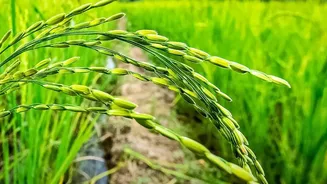
For decades, the choice for many urban Indian households was simple: long-grained, fragrant Basmati for special occasions like biryani, and a standard polished white rice for daily meals. This simplification was largely a legacy of the Green Revolution,
which prioritized high-yield, uniform crops to ensure food security. While successful in its goal, it inadvertently pushed thousands of indigenous rice varieties to the margins. Today, that trend is reversing. Consumers are looking past the mainstream and exploring a vast world of rice that includes aromatic Gobindobhog from Bengal, sticky Chak-Hao from Manipur, and the robust Mappillai Samba from Tamil Nadu.
A Quest for Healthier Grains
A significant driver of this shift is a growing health consciousness. Many traditional rice varieties, especially coloured ones like red and black rice, are unpolished, retaining their nutrient-rich bran layer. These heirloom grains are often packed with more fibre, antioxidants, iron, and zinc than their polished counterparts. Pigmented varieties like the Manipuri black rice Chak-Hao contain anthocyanins, the same antioxidant compounds found in blueberries, which have anti-inflammatory properties. Varieties like Kullakar and Navara are noted for aiding digestion, while others have a lower glycemic index, making them a better option for managing blood sugar levels.
The 'Vocal for Local' Effect
The push to support local economies and products has moved from a slogan to a genuine consumer trend. This sentiment extends to the food on our plates, with a renewed interest in ingredients that are seasonal, local, and culturally significant. Choosing a regional rice is no longer just a culinary decision; it's a way to support small-scale farmers, preserve agricultural biodiversity, and reconnect with one's own food heritage. This movement has been amplified by government initiatives and a growing sense of pride in India's rich agricultural legacy.
Chefs and Social Media as Tastemakers
India's top chefs and food influencers are playing a crucial role in this revival. By showcasing regional rice in restaurant menus and on social media, they are introducing these grains to a wider, more curious audience. When a chef proudly uses Assam's Bora rice for a risotto or Bengal's Badshahbhog for a kheer, it sends a powerful message about the value and versatility of these local ingredients. Social media platforms like Instagram have become virtual encyclopedias of regional cuisine, where a single post about Chak-Hao Kheer or a dosa made from Rajamudi rice can inspire thousands to seek out these heritage grains.
Climate Resilience and Sustainability
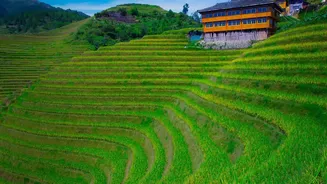
In an era of increasing climate uncertainty, many indigenous rice varieties offer a path toward more sustainable agriculture. Unlike many hybrid crops that require significant chemical inputs, these traditional grains are often naturally resilient to local pests and diseases. More importantly, they are adapted to specific regional ecosystems. Varieties like Kerala's flood-resistant Pokkali or Karnataka's saline-tolerant Kagga rice are living examples of climate-resilient agriculture. By supporting farmers who cultivate these grains, consumers are indirectly investing in a more sustainable and biodiverse food future.