
This December, Delhi is set to transform into a sprawling, city-wide art gallery. The inaugural India Biennale arrives on December 4, 2026, promising an explosion of contemporary art that will captivate both seasoned enthusiasts and curious newcomers.
First, What Is a Biennale?
Before you mark your calendars, let's break down the term. A biennale (pronounced 'bee-en-ah-lay') is a large-scale international contemporary art exhibition held every two years. Think of it as the Olympics of the art world. The most famous is the Venice Biennale, which has been running for over a century and sets global art trends. These events are not just about displaying paintings in a quiet hall; they are sprawling, ambitious festivals that often take over an entire city. They feature cutting-edge works from artists around the world, from massive installations and video art to performance pieces and interactive projects. India already has a celebrated example in the Kochi-Muziris Biennale, which has successfully put South Asia on the global art map. The arrival of a new biennale in the nation's capital signals a major step forward for the country's cultural landscape.
Delhi as the Grand Canvas
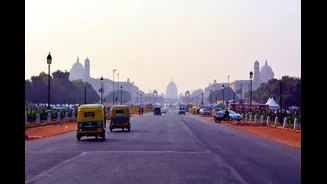
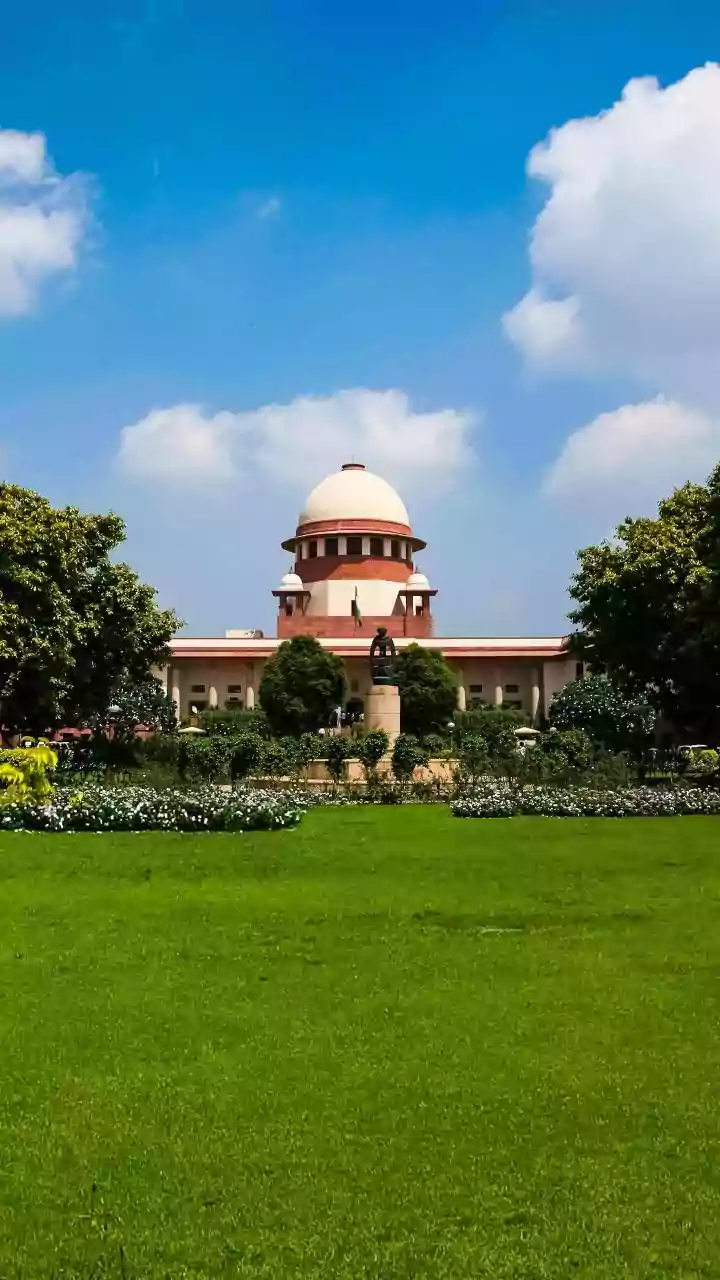
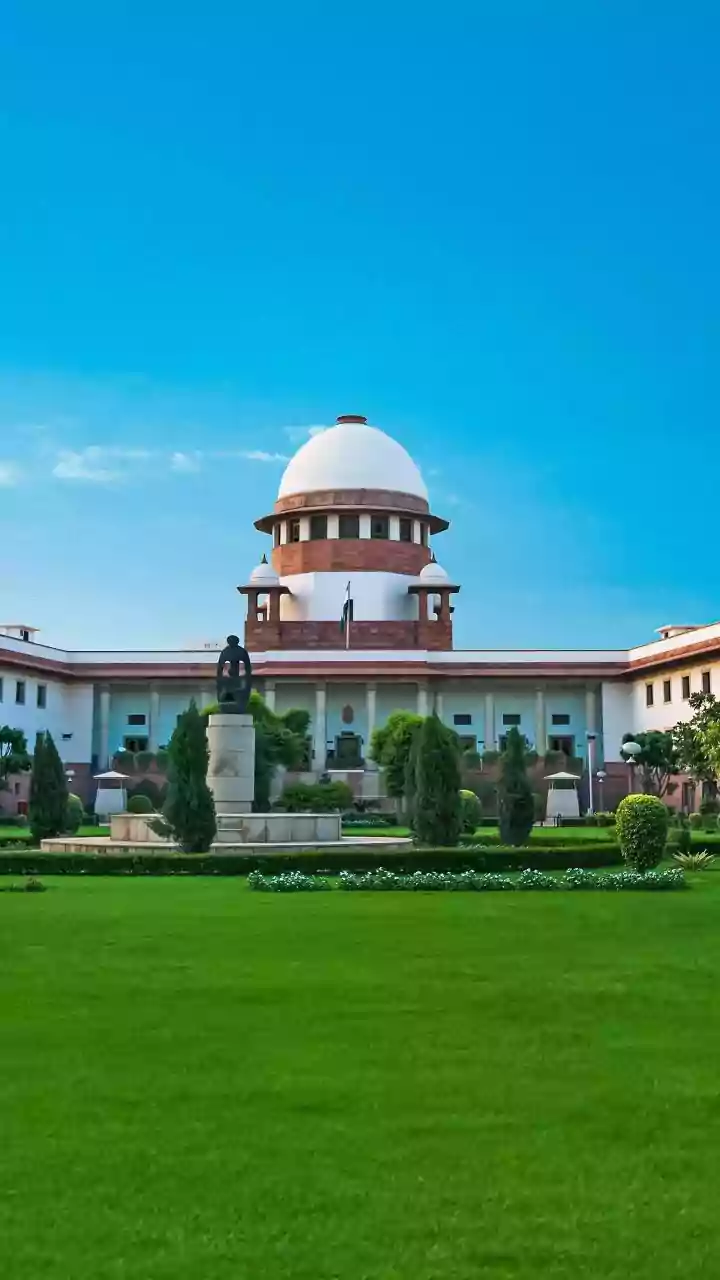
Choosing Delhi as the host city is a powerful statement. As the political and historical heart of the nation, it provides a rich, layered backdrop for contemporary artistic dialogue. The biennale is expected to unfold across a multitude of cultural spaces, turning the entire city into an interactive map of creativity. The event aims to move art out of exclusive galleries and into the public sphere. Expect to see major works not only in traditional venues but also potentially integrated into public parks, historical monuments, and repurposed industrial spaces. This approach encourages a more democratic and accessible engagement with art, inviting residents and visitors to stumble upon world-class creativity during their daily lives. The theme for the inaugural edition is anticipated to explore India's complex relationship with its past and its rapidly changing future, a subject perfectly suited to the capital's own dynamic character.
Potential Hubs and What to See
While the final list of venues will be confirmed closer to the date, the biennale is poised to activate Delhi's premier cultural institutions. Look for exhibitions and projects at iconic locations like the National Gallery of Modern Art (NGMA) and the Kiran Nadar Museum of Art (KNMA), which are central to the city's art scene. Other key cultural centers such as the India Habitat Centre, the India International Centre, and Triveni Kala Sangam are also likely to be part of the programme, hosting everything from large-scale exhibitions to intimate artist talks. The beauty of a biennale lies in its diversity. Attendees can expect to see a wide spectrum of art forms, including monumental sculptures, immersive video installations, thought-provoking photography series, and live performances that challenge and engage the senses. The curatorial team will likely bring together a mix of globally recognized art stars and exciting emerging talent from India and beyond.
More Than Just Exhibitions
A biennale is a living, breathing event, not a static display. Alongside the core exhibitions, the India Biennale is expected to feature a robust schedule of public programming. This typically includes artist_led workshops, panel discussions with curators and critics, film screenings related to the biennale's theme, and guided 'art walks' that help visitors navigate the sprawling event. These parallel events are designed to deepen the public's understanding of the works on display and create a vibrant atmosphere of conversation and learning. For students, aspiring artists, and anyone with a creative curiosity, these programs are an invaluable opportunity to engage directly with the minds shaping contemporary art today. It transforms the act of viewing art from a passive experience into an active, participatory one.