

An Escape to the Cosmos
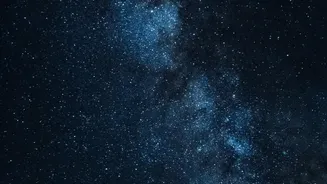
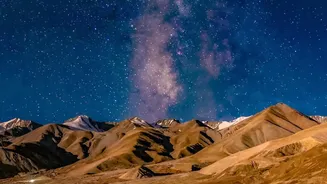
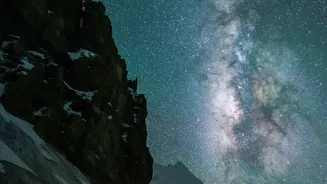
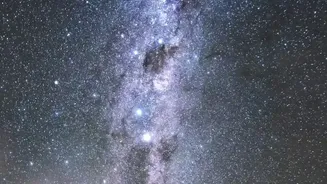
Imagine a place so high and remote that the Milky Way stretches across the sky like a celestial river, visible to the naked eye. This is the promise of Spiti Valley in Himachal Pradesh, a cold desert mountain region where the altitude, dry air, and near-zero
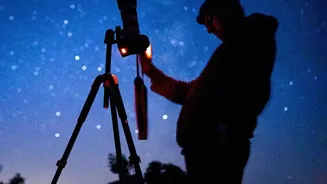
light pollution create some of the best stargazing conditions in the world. Far from the hazy glow of city life, astrotourists and night-sky photographers are flocking here not for what they can find, but for what they can escape: the relentless light that obscures our view of the universe. In this pristine environment, constellations pop with startling clarity, meteor showers feel intimate, and the sheer scale of the cosmos is profoundly humbling. It is a journey back to a primal human experience, one that our ancestors knew every single night.
Discovering Langza: The Fossil Village
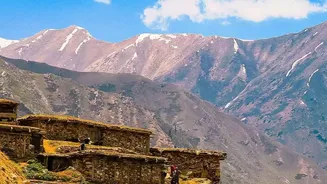
Perched at a staggering altitude of roughly 4,400 metres, Langza is a key destination within Spiti's starkly beautiful landscape. The village, home to a small community of around 130 people, is instantly recognizable for its giant, golden-hued Buddha statue that sits in serene meditation, overlooking the valley. But Langza's history is written in more than just its Buddhist culture. The village is famously known as the “Fossil Village.” Millions of years ago, the entire Spiti region lay at the bottom of the Tethys Sea. Today, the arid slopes around Langza are scattered with the fossilised remains of ancient marine life, primarily spiral-shaped ammonites. For visitors, it's a surreal experience to hold a piece of oceanic history in their hands while standing nearly three miles above sea level, a tangible link to the planet’s deep past.
A Natural Dark-Sky Sanctuary
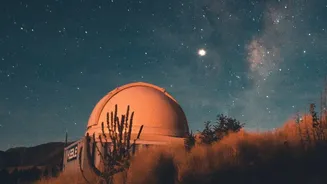
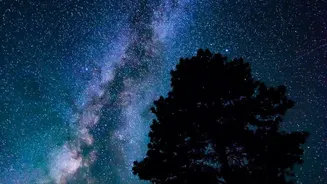
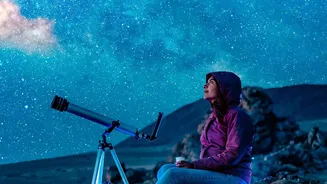
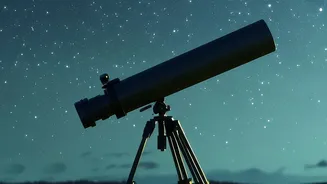
While not yet an officially certified International Dark-Sky Reserve, Langza functions as one in practice. Its combination of high altitude, minimal atmospheric disturbance, and a near-total absence of artificial light makes it a natural amphitheatre for celestial observation. The term astrotourism feels truly earned here. On a clear, moonless night, the sky is not just a black canvas with dots of light; it is a dense, textured tapestry of stars, nebulae, and galactic dust. It’s one of the few places where you don't need a telescope to feel connected to the cosmos. Local guides and homestay owners are well-versed in the sky's wonders, often pointing out planets and constellations to curious visitors. This accessibility makes it a perfect spot for both seasoned astronomers and first-time stargazers alike.
More Than a Celestial View
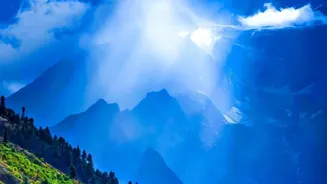
The magic of Langza isn't confined to the night. By day, the village offers a deep dive into the unique culture of Spiti. Most visitors stay in local homestays, sharing meals and stories with families and experiencing a simple, resilient way of life. Behind the large new Buddha statue lies the ancient village temple, or Lang, a spiritual centre for the community that is said to be over 1,000 years old. The landscape itself is an attraction, with panoramic views of the snow-dusted Chau Chau Kang Nilda peak. Often, the best activity is simply to walk, absorbing the immense silence and the raw beauty of the high-altitude terrain. The village is also part of a popular circuit that includes Komic, one of the world's highest motorable villages, and Hikkim, home to the world's highest post office.
Planning Your Himalayan Star Trip
A trip to Langza requires careful planning due to its remote location and high altitude. The main gateway is Kaza, Spiti's largest town, which is about a 45-minute drive away. The best time to visit is during the summer months, from late May to September, when the roads are accessible and the weather is manageable. The most critical advice for visitors is to acclimatise properly. Spending at least a day or two in Kaza before ascending to Langza is essential to avoid altitude sickness. Accommodation in Langza consists almost exclusively of homestays, offering a basic but authentic experience. Pack warm, layered clothing as temperatures drop significantly at night, even in summer. And, most importantly, bring a sense of wonder. The journey is long, but the reward—a clear, unfiltered view of the heavens—is immeasurable.