




Understanding Hair vs. Humidity
To understand why hairstyles react differently to humidity, we first need to look at the hair itself. Each strand of hair has an outer layer called the cuticle. When hair is dry or damaged, these cuticles lift, making the hair porous. Humid air is full
of moisture, and porous hair acts like a sponge, soaking it up. This influx of water molecules forms new, weak hydrogen bonds within the hair's protein structure, causing the strand to swell, kink, and revert to its natural texture. This process is what we see as frizz. Well-hydrated, healthy hair with a sealed cuticle is less likely to absorb atmospheric moisture, making it more stable.
The Weakness of Loose Waves
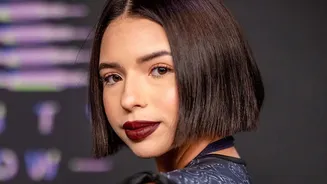
Loose waves are beautiful, but they are structurally one of the most vulnerable styles in humid conditions. Each strand is individually styled and then left exposed to the elements. This high surface area gives moisture countless points of entry. As each hair strand absorbs water from the air, the carefully created wave pattern breaks down. The hydrogen bonds that were set with heat are broken and reformed by the humidity, causing curls to drop or expand into frizz. For those with naturally straight hair, waves will go limp; for those with natural texture, the hair will simply revert to its original, often frizzier, state.
The Fortress-Like Chignon
A twisted chignon, by contrast, is a masterclass in structural integrity. This hairstyle's strength lies in its containment. By twisting, folding, and pinning the hair together, you drastically reduce the amount of surface area exposed to the humid air. The strands are bundled together, protecting each other from moisture absorption. The twists and pins create a secure framework that physically locks the hair into place, making it far more difficult for individual strands to swell and escape the defined shape. Even if some moisture gets in, the overall structure of the bun remains intact, and minor frizz can even add to a 'textured' look rather than looking messy.
Building the Perfect Humidity-Proof Updo
Creating a chignon or any updo that can withstand a humid day requires more than just twisting your hair up. Preparation is key. Start with hair that is fully dry; any residual dampness is an invitation for humidity to wreak havoc. Applying an anti-frizz serum or a light oil to damp hair before styling can help seal the cuticle. When creating the bun, ensure it's anchored securely with pins internally, rather than just relying on an elastic or surface-level hairspray. This provides the structural support needed to last. For a polished look that stays put, consider a sleek low bun, which is one of the most reliable styles for keeping ends protected and flyaways controlled.
Other Styles That Defy the Frizz
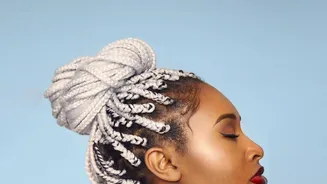
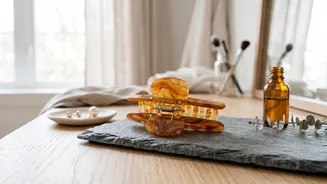
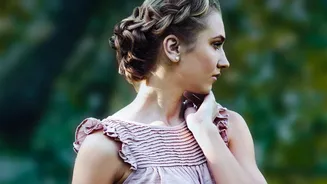
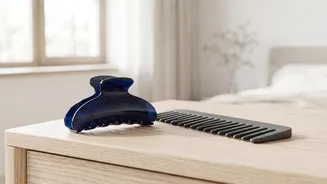
The principle behind the chignon's success—containment—applies to other hairstyles as well. Braids are exceptionally effective in humidity because they lock strands together tightly, and a little atmospheric moisture can actually help the braid hold its shape better. A crown braid keeps all the hair secured close to the head, minimizing exposure. Sleek high ponytails, especially when braided, also keep hair neat and off the neck. Even a simple low bun or a French twist secured with a claw clip offers significantly more protection against humidity than leaving your hair completely loose.