





The festive season brings a surge in online orders and a parallel boom in delivery jobs. This year, however, the real action is shifting. E-commerce giants are looking beyond the metros, turning to India's smaller cities as the new frontier.
The Shift Beyond Metros
For years,
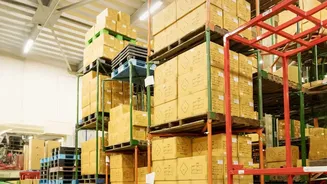
the story of India's e-commerce boom was written in its biggest cities. Mumbai, Delhi-NCR, Bengaluru, and Chennai were the epicentres of activity, with massive fulfilment centres serving as the heart of the nation's logistics network. But as online shopping has become a way of life across the country, this metro-centric model is facing new pressures. Today, a significant portion of e-commerce demand, close to 60% by some estimates, originates from Tier-II and Tier-III cities. Companies like Amazon and Flipkart are responding to this by fundamentally rethinking their supply chain, moving operations closer to this burgeoning customer base.
The Strategic Cost Advantage
One of the most compelling reasons for this strategic pivot is simple economics. The cost of real estate and warehousing in major metropolitan areas has skyrocketed. Setting up large-scale sorting hubs and fulfilment centres in these dense urban cores is a capital-intensive affair. In contrast, smaller cities offer a significant cost advantage, with some analyses suggesting that facility costs can be 25-40% lower than in metro locations. This allows e-commerce players to build larger, more modern, and scalable facilities without the immense financial burden, unlocking capital that can be invested elsewhere in the business.
Tapping a New Labour Pool
Seasonal sales events require a massive, temporary workforce to handle the surge in picking, packing, and shipping. In metros, competition for this labour can be fierce. Smaller cities, however, offer access to a large and often untapped pool of workers. For many in these regions, seasonal delivery and warehouse jobs provide a crucial source of income without the need to migrate to a larger city. Companies are creating tens of thousands of these roles in non-metro locations, supporting local economies and offering flexible work opportunities to a new demographic of the workforce.
Solving the Last Mile Puzzle
The 'last mile' of delivery—the final step from a local hub to a customer's doorstep—is notoriously the most expensive and complex part of the logistics chain, sometimes accounting for over half of the total shipping cost. By placing fulfilment centres and sortation hubs in or near Tier-II and Tier-III cities, companies can drastically cut down these last mile distances and times. Instead of shipping a package from a metro warehouse hundreds of kilometres away, the item is already close to the end customer. This not only reduces fuel and transport costs but also makes faster delivery promises, like same day or next day delivery, a viable reality for millions of new shoppers.
A Ripple Effect on Local Economies
The establishment of a major logistics hub does more than just create temporary jobs. It injects significant economic activity into a local area. The demand for warehousing space fuels the real estate sector. It creates a spectrum of employment, from entry level delivery roles to positions in operations management and technical support. Furthermore, it stimulates ancillary businesses, including transportation services, food vendors, and maintenance crews. This expansion represents a structural shift, turning cities like Nagpur, Lucknow, Coimbatore, and Guwahati into critical nodes in the national supply chain and diversifying economic growth away from the traditional megacities.