




The Smart Shopper’s Secret Weapon: Unit Pricing
On the surface, a large, economy-sized bag of flour or rice seems like the most cost-effective choice. But is it always? The power to purchase smaller, specific amounts—say, 200 grams of a spice instead of a pre-sealed 500-gram box—is a significant advantage.
This approach allows you to buy exactly what you need, preventing both financial over-commitment and potential food waste. Since 2022, regulations in India have made this comparison easier by mandating the display of a unit sale price on packaged goods. This means, in addition to the total MRP, the label must show the cost per standard unit (like per kilogram or per litre). When you have the option to buy loose or have a larger pack split, you can compare this unit price directly. This transparency empowers you to see past the flashy packaging and understand the true cost of what you're buying, ensuring you get the most value for your money.
A Powerful Tool Against Waste
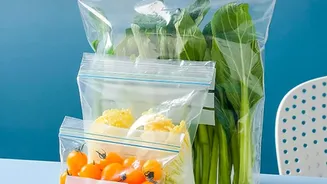
An average household often throws out a significant amount of the groceries it buys. One of the biggest culprits is purchasing more than can be used before it spoils. Fresh produce and perishable items are especially vulnerable. Opting to buy loose fruits and vegetables, or asking your vendor to portion out a specific quantity of paneer or meat, is a direct way to combat this. This strategy of buying smaller quantities more frequently ensures ingredients are fresher and less likely to end up in the bin. It’s a simple shift that not only saves you money on discarded food but also lessens your environmental footprint. By buying only what you can realistically consume, you actively participate in reducing the massive problem of food waste.
The Flexibility for Modern Households
Not every household needs a five-kilogram bag of lentils or a litre of cooking oil. For students, single professionals, or small families, bulk purchases can be impractical and burdensome, both for storage and consumption. The ability to split products into smaller, more manageable portions is a game-changer for budget-conscious individuals. This concept is the opposite of the 'sachet economy', where affordability comes in tiny, single-use plastics that create immense environmental problems. Instead of relying on single-use packets, buying a measured, smaller portion from a larger container offers the same financial accessibility without the same level of packaging waste. It allows you to manage a tight budget by spending less upfront and ensures you have access to fresh, quality ingredients without being forced into a bulk purchase you can't afford or finish.
Where to Find Divisible Products
This smart shopping practice is most common at your local kirana stores, neighbourhood vendors, and wholesale markets. These establishments have traditionally operated on a model of selling loose staples like grains, pulses, spices, and oils, allowing customers to buy precise amounts. While supermarkets increasingly favour pre-packaged goods for convenience, many still maintain sections for loose items, especially in the produce and deli departments. Furthermore, some larger stores that sell items in bulk, like a large block of cheese or a whole chicken, will often have staff on hand to cut or portion the product for you upon request. Don’t hesitate to ask. By seeking out these opportunities, you gain control over your spending and consumption habits, making your shopping trips more efficient and intentional.