







Why Humidity Hampers Your Body’s Cooling System
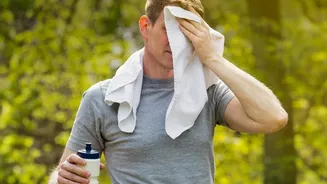
To understand why recovery slows down, we first need to look at what happens during a workout in high humidity. Your body’s primary method for cooling down is sweating. As sweat evaporates from your skin, it releases heat and lowers your body temperature.
However, when the air is already saturated with moisture during the monsoon, this evaporation process slows down dramatically. Your sweat has nowhere to go, so it drips off without providing the same cooling effect. This forces your body to work overtime to regulate its internal temperature, leading to a higher core body temperature and increased cardiovascular strain. Your heart has to pump harder to send blood to your muscles while also trying to cool your skin.
The Direct Impact on Muscle Recovery
This extra physiological stress has a direct knock-on effect on your recovery. When your body is working harder just to stay cool, it diverts energy and resources away from other essential processes, including muscle repair. The increased sweat rate also leads to greater fluid and electrolyte loss. Dehydration can severely impair your muscles' ability to repair themselves, as water is crucial for transporting nutrients needed for recovery. This combination of higher stress, elevated body temperature, and potential dehydration means that post-workout inflammation can be more pronounced, and the process of replenishing muscle glycogen (your energy stores) is delayed. The result is prolonged soreness and fatigue.
Prioritise Smart Hydration and Electrolytes
Given that fluid loss is a major factor, your hydration strategy needs to be more deliberate during the monsoon. Don't wait until you feel thirsty, as thirst is often a late indicator of dehydration. Start hydrating well before your workout begins. During your session, sip water regularly. For longer or more intense workouts, it's crucial to replenish lost electrolytes like sodium and potassium. These minerals are essential for muscle function and fluid balance. You can use electrolyte drinks or even natural sources like coconut water. After your workout, continue to rehydrate over several hours to fully replace what you’ve lost through sweat.
Fuel Your Recovery with the Right Nutrition
What you eat after a workout is always important, but it’s even more critical in humid conditions. Focus on consuming a combination of protein and carbohydrates within an hour or two of finishing your session. Carbohydrates are needed to restock your depleted muscle glycogen stores, while protein provides the amino acids necessary to repair and rebuild muscle tissue. Think about easily digestible options like a banana with yoghurt, a protein shake, or a simple meal of dal and rice. These foods provide the building blocks your body needs to overcome the extra stress imposed by the humid environment and kickstart the recovery process effectively.
Adjust Your Workout Routine Intelligently
Fighting against the humidity is a losing battle; the smarter approach is to adapt. Try scheduling your workouts during the coolest parts of the day, such as the early morning or late evening. If the weather is particularly oppressive, consider moving your workout indoors. Activities like yoga, Pilates, or bodyweight strength training can be excellent alternatives that place less thermoregulatory stress on your body. It's also wise to listen to your body and reduce the intensity or duration of your workouts if you feel unusually fatigued. Focus on consistency over intensity, and incorporate active recovery days with light stretching or walking to aid circulation and reduce stiffness.