
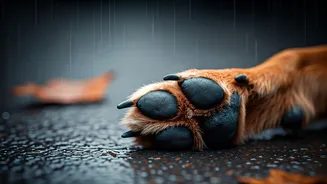
Understanding Rain-Induced Dermatitis
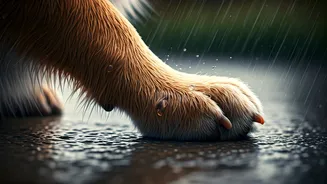
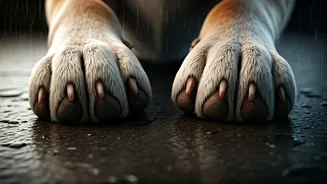
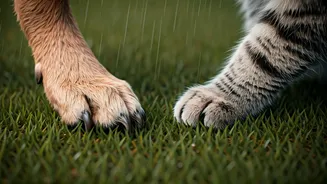
Paw dermatitis, also known as pododermatitis, is the inflammation of the skin on a pet's paws. During the monsoon, paws are constantly exposed to water, mud, and moisture. This dampness, combined with the warmth of a pet's body, creates an ideal environment
for bacteria and fungi to thrive. The spaces between the toes are particularly vulnerable, as they trap moisture and have limited airflow, leading to infections. This is often caused by an overgrowth of yeast (like Malassezia) or bacteria (like Staphylococcus), which can turn a simple walk in the rain into a painful skin condition.
Key Symptoms to Watch For
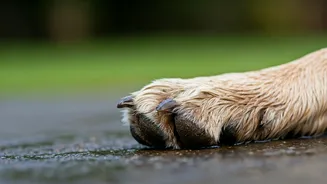
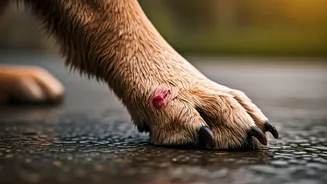
Early detection is crucial. Many owners mistake the initial signs for normal grooming, but persistent symptoms indicate a problem. Be vigilant for obsessive licking, chewing, or biting of the paws, which is a primary sign of discomfort. Other warning signs include redness and swelling, especially between the toes, a foul or musty odour coming from the paws, and visible hair loss around the affected area. You might also notice your pet limping, showing reluctance to walk, or see blisters, scabs, or a greasy discharge on their paw pads.
Immediate At-Home Care Steps
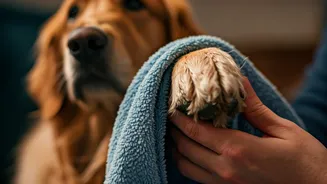
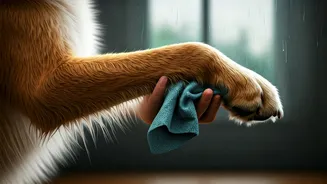
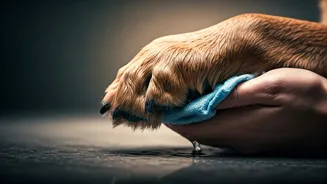
If you notice early signs of irritation, immediate and consistent care at home can prevent the issue from escalating. The most critical step is to thoroughly clean and dry your pet's paws after every single walk or exposure to moisture. Use lukewarm water and a gentle, pet-friendly soap to rinse away mud and debris. Pay special attention to drying the areas between the toes, as this is where moisture lingers. A soft towel works, but for pets with thick fur, a hairdryer on a low, cool setting can ensure the undercoat is completely dry. For minor irritations, a soak in a diluted apple cider vinegar solution (one part vinegar to one part water) for a few minutes can help due to its antimicrobial properties, but avoid this if there are open sores.
Prevention: Your Best Defence
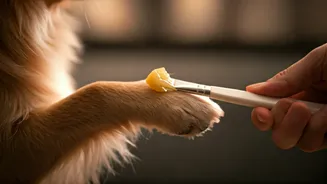
Preventing paw dermatitis is far easier than treating it. A consistent routine is your best tool. Keep the fur between your pet's paw pads trimmed short to improve airflow and reduce moisture trapping. Daily inspection of their paws allows you to catch any redness or cuts early. Consider using protective gear like waterproof dog booties for walks in heavy rain, as they shield paws from prolonged contact with wet surfaces. At home, ensure your pet's bedding is clean and dry, and maintain a dry indoor environment, perhaps by using a dehumidifier during particularly humid spells. A high-quality paw balm can also help keep pads moisturised and create a barrier against irritants.
When to Consult a Veterinarian
While many mild cases can be managed at home, professional veterinary care is necessary if the condition worsens or doesn't improve. You should see a vet if the paw licking becomes constant, the redness and swelling are severe, or you see open sores, pus, or bleeding. A strong, persistent odour is another sign of an infection that needs medical attention. If your pet is limping or refuses to put weight on their paw, it indicates significant pain that warrants a professional diagnosis. A veterinarian can accurately diagnose the cause—whether it's bacterial, fungal, or allergy-related—and prescribe the correct treatment, which may include medicated shampoos, topical creams, oral antibiotics, or antifungal medications.