

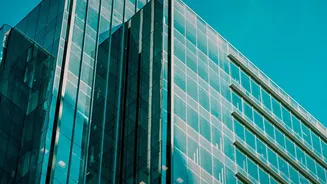


The Summer Struggle in a Concrete Jungle
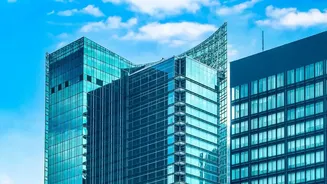
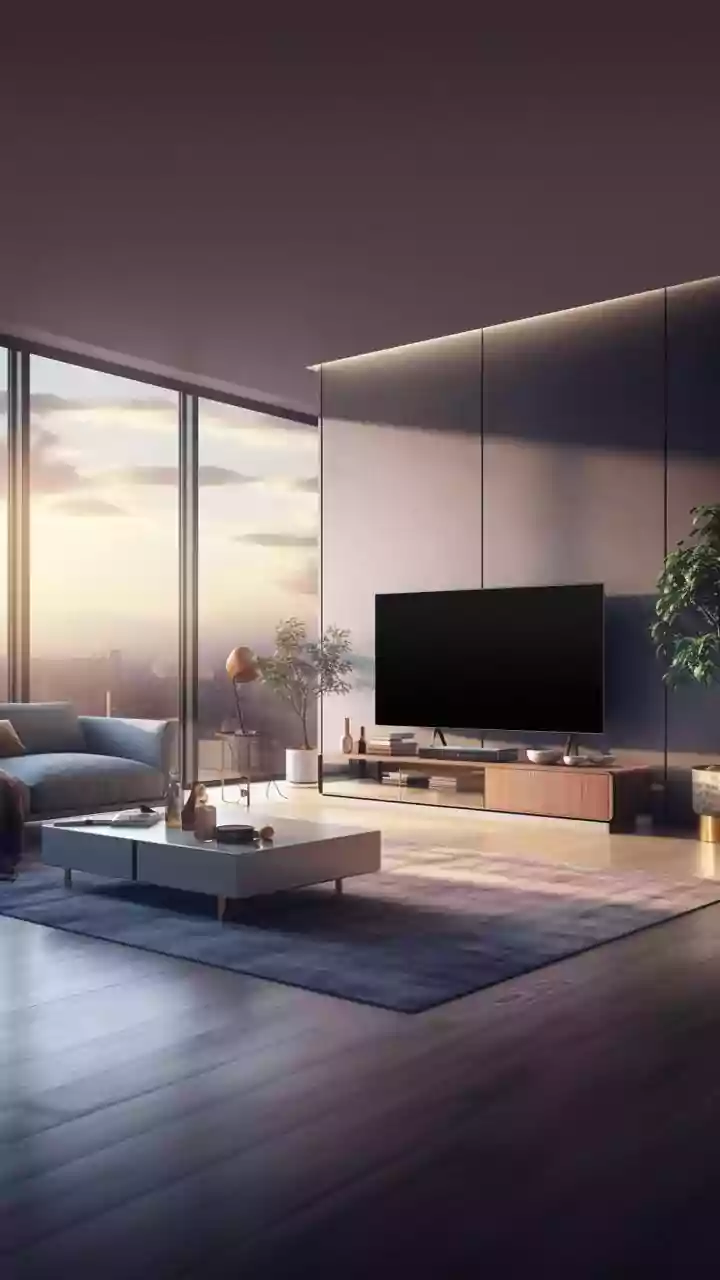
Living in an urban apartment in India often means dealing with the intense, unrelenting heat of summer. Large windows, while great for views and light, can turn a flat into a greenhouse, absorbing the sun's rays and radiating heat long after sunset. This
‘heat island’ effect is amplified in concrete-heavy cityscapes, leading to a heavy reliance on air conditioning. The result? Sky-high electricity bills and a constant hum from the AC unit, which itself contributes to outdoor heat. It’s a cycle many city dwellers know all too well, prompting a search for smarter, more sustainable ways to stay cool.
What Exactly Are Smart Glass Coatings?
Enter smart glass and its related coatings. At its core, this technology involves applying a microscopically thin, transparent layer of metallic oxides to glass. This coating is designed to control how much heat and light pass through a window. Think of it as a high-tech filter for your windows. It can either be integrated into a new window pane or, in many cases, applied to existing windows as a retrofit film. The 'smart' part comes from its ability to change its properties, either automatically or with the flip of a switch, to adapt to the environment.
How Does the Magic Happen?
There are two main types of smart glass technology that help with cooling. The first is 'passive' smart glass, such as thermochromic glass. This type automatically darkens or tints when it heats up from direct sunlight, blocking heat when it's most intense. No wires or controls are needed; it reacts purely to temperature. The second is 'active' smart glass, most notably electrochromic glass. This type allows you to control the tint of your window with a small electric current, usually via a wall switch, remote, or even a smartphone app. By applying a low voltage, you can change the glass from perfectly clear to a dark tint, giving you on-demand shade and heat control.
The Real-World Benefits for Your Flat
The most immediate benefit of these coatings is a cooler home. By reflecting unwanted solar heat, smart glass can significantly reduce the internal temperature of a flat, lessening the workload on your air conditioner. This directly translates to lower energy consumption and reduced electricity bills. Beyond cooling, these coatings are excellent at blocking harmful ultraviolet (UV) rays—often up to 99%. This protects your furniture, curtains, and artwork from fading over time. It also reduces glare, making your living space more comfortable without sacrificing natural light. You get to keep your view, but lose the excessive heat and damaging radiation.
Is This a Practical Solution for You?
Once a futuristic concept, smart glass technology is becoming increasingly accessible. In India, several companies now offer smart glass solutions, from full window replacements to adhesive films that can be retrofitted onto your existing panes. The cost is higher than traditional windows, but it's positioned as a long-term investment that pays for itself through energy savings and increased comfort. For those in new constructions, integrating smart glass from the start is a straightforward choice for a green, energy-efficient building. For renters or those in existing flats, smart film offers a non-permanent, more affordable way to get many of the same benefits. As research continues, including projects at IIT Indore, the technology is set to become even more efficient and affordable.