






The End of Trial and Error
For decades, finding the right skincare involved a frustrating cycle of trial and error. Consumers would navigate endless aisles of products, hoping to find a match for their skin type. Today, that is changing thanks to a new wave of technology-driven
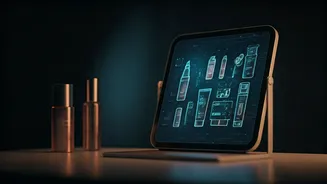
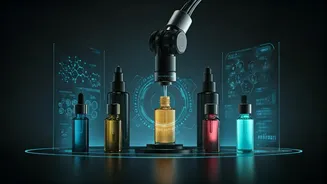
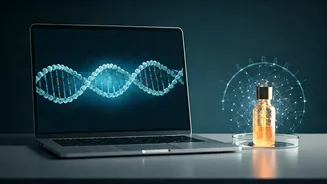
brands. Personalised skincare now refers to solutions tailored not just to a general skin type, but to an individual's unique skin profile, lifestyle, and even environmental factors. By leveraging data from online quizzes, real-time skin analysis, and user feedback, companies can create customised formulations designed for maximum efficacy. This shift promises to move consumers away from generic products and toward targeted routines that deliver measurable results.
Your Phone is the New Skin Expert
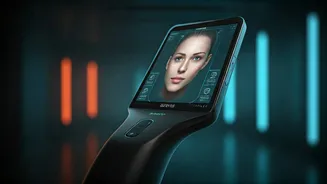
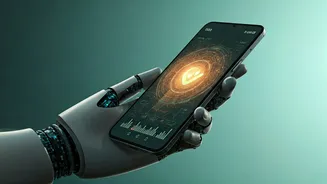
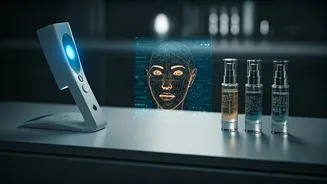
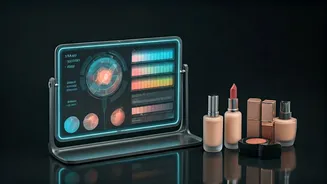
The gateway to this new world of skincare is most likely in your pocket. The process often begins with a smartphone. Many brands use AI-powered apps that analyse a user's selfie to assess skin health. These tools use advanced algorithms and computer vision to detect a wide range of concerns, from wrinkles and acne to hyperpigmentation and moisture levels, with remarkable precision. Some platforms combine this visual data with detailed questionnaires about diet, location, and lifestyle to build a comprehensive profile. This data is then processed to recommend specific ingredients or even create a unique formula from scratch, which is then delivered directly to the consumer.
The AI in Your Beauty Cabinet
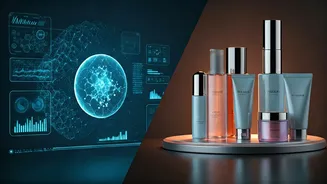
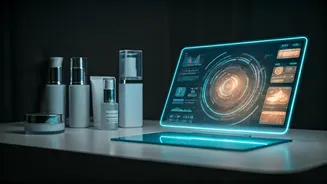
At the heart of this revolution is artificial intelligence. Machine learning models analyse vast amounts of data—including ingredient performance, user feedback, and clinical studies—to predict which formulations will work best for an individual. These systems can identify patterns that a human might miss, allowing for continuous refinement of product recommendations as a user's skin needs evolve. Some advanced platforms can even simulate the effects of certain ingredients on a user's photo, giving them a preview of potential results before committing to a purchase. The global personalised skincare market, valued in the tens of billions, is projected to continue its strong growth, fueled by these technological advancements.
More Than a Product, It's a System
What truly makes personalised skincare a digital habit is the ongoing relationship it fosters between the brand and the consumer. This isn't a one-time purchase; it's an interactive system. Many services operate on a subscription model, providing a continuous supply of products that are adjusted based on seasonal changes or evolving skin concerns. Progress is often tracked via an app, which might prompt users for periodic check-ins or new selfies to provide updated feedback to the algorithm. This creates a dynamic feedback loop where the product and routine are constantly being optimised, making the digital interaction a core part of the user's daily self-care practice.
The Human Element in a Digital World
While the precision and convenience of AI-driven skincare are compelling, it's important to consider the trade-offs. Data privacy is a significant concern, as users are sharing sensitive information and facial scans. There's also the risk of "AI hallucinations" or biases in algorithms, which could lead to inaccurate recommendations. Though AI is increasingly used by dermatologists to improve diagnostic accuracy for conditions like skin cancer, these direct-to-consumer apps are not a replacement for professional medical advice. Experts advise that while these tools are powerful, they should augment, not replace, the guidance of a qualified dermatologist for serious skin conditions.