







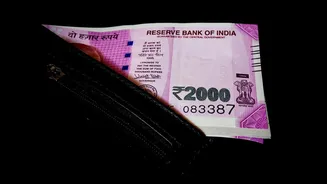
Identifying the Invisible Spends
Micro-spends are the small, often impulsive purchases we make without a second thought. Think of the daily cup of chai or coffee, the quick auto-rickshaw ride for a short distance, a packet of chips, or that small, tempting purchase from a flash sale
online. The rise of UPI has made these tiny transactions even more seamless and frequent. While a single spend of ₹50 or ₹100 feels insignificant, these purchases add up. A daily ₹100 treat becomes ₹3,000 a month—an amount that could have been invested or saved. Common culprits in India include daily snacks, frequent food delivery for convenience, multiple entertainment subscriptions, and spur-of-the-moment online shopping. These aren't budget-breaking items on their own, but their cumulative effect is what silently drains your funds.
The Psychology of 'Just a Little'
Why are these small spends so hard to resist? The answer lies in psychology. Our brains are wired for instant gratification. A small, quick purchase provides a tiny hit of dopamine, a feel-good chemical, making it an easy solution for boredom, stress, or just a long day. Marketers often use tactics like limited-time offers to create a sense of urgency, making it harder to say no. Because the amount is small, we rationalise it as being harmless, failing to calculate its long-term impact. This is the 'death by a thousand cuts' theory of personal finance; no single cut is fatal, but together they can be devastating to your financial health.
Step 1: Track Every Single Rupee
You cannot manage what you do not measure. The first, most crucial step is to track your spending meticulously for one month. This means every single expense, no matter how small. You can use a simple notebook, a spreadsheet, or a budgeting app on your phone. Be honest and diligent. Record that ₹10 samosa, the ₹20 auto ride, and the ₹99 app subscription. The goal isn't to judge yourself but to gather data. At the end of the month, you will have a clear, and possibly shocking, picture of where your money is actually going. This awareness is the foundation of taking back control.
Step 2: Analyse and Create a Spending Plan
Once you have your data, it's time to analyse it. Categorise your expenses into 'Needs' (rent, groceries, utilities), 'Wants' (dining out, entertainment, shopping), and 'Savings/Investments'. A popular and effective framework is the 50/30/20 rule. Allocate 50% of your after-tax income to Needs, 30% to Wants, and 20% to Savings. This rule provides a clear structure for your money. Your tracking exercise will show you how your current spending aligns with this. You might find that 'Wants', fueled by micro-spends, are taking up 50% of your income while savings are close to zero. The goal is to create a realistic budget that you can stick to, which allocates funds intentionally.
Step 3: Actively Reduce and Redirect
With a budget in place, you can start making conscious changes. This isn't about eliminating all joy from your life, but about mindful spending. If you spend ₹2,000 a month on daily coffee, could you make coffee at home on weekdays and treat yourself on weekends? Instead of ordering food out of convenience, could you plan meals for the week? Try implementing a '24-hour rule' for non-essential purchases; if you still want the item a day later, then consider buying it. This pause helps differentiate between an impulsive urge and a genuine want. Redirect the money you save from cutting these micro-spends directly into your savings or investment account. Seeing that fund grow will be more rewarding than any small, forgotten purchase.