





The Concrete Jungle's Hidden Fever
You’ve probably felt it yourself: stepping out of an air-conditioned office into a city street can feel like walking into an oven. This phenomenon is known as the Urban Heat Island (UHI) effect, where cities are significantly warmer than surrounding rural
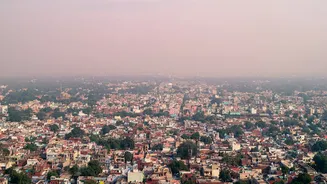
areas. Studies show that as Indian cities expand, this effect intensifies. The rapid replacement of natural landscapes with buildings, roads, and other infrastructure made of concrete and asphalt is a primary cause. These materials absorb and retain far more solar radiation than natural ground cover like grass and trees.
A Sponge for the Sun
Think of concrete and asphalt as giant, dark-coloured sponges for sunlight. Throughout the day, these surfaces soak up enormous amounts of solar energy. This is due to their high thermal mass, which is the ability of a material to absorb and store heat. While a grassy field reflects much of the sun's energy, a dark road or a concrete plaza absorbs it, causing surface temperatures to soar. In some regions, pavement temperatures can reach over 60°C during the day. This stored heat doesn't just disappear when the sun goes down.
When Night Doesn't Bring Relief
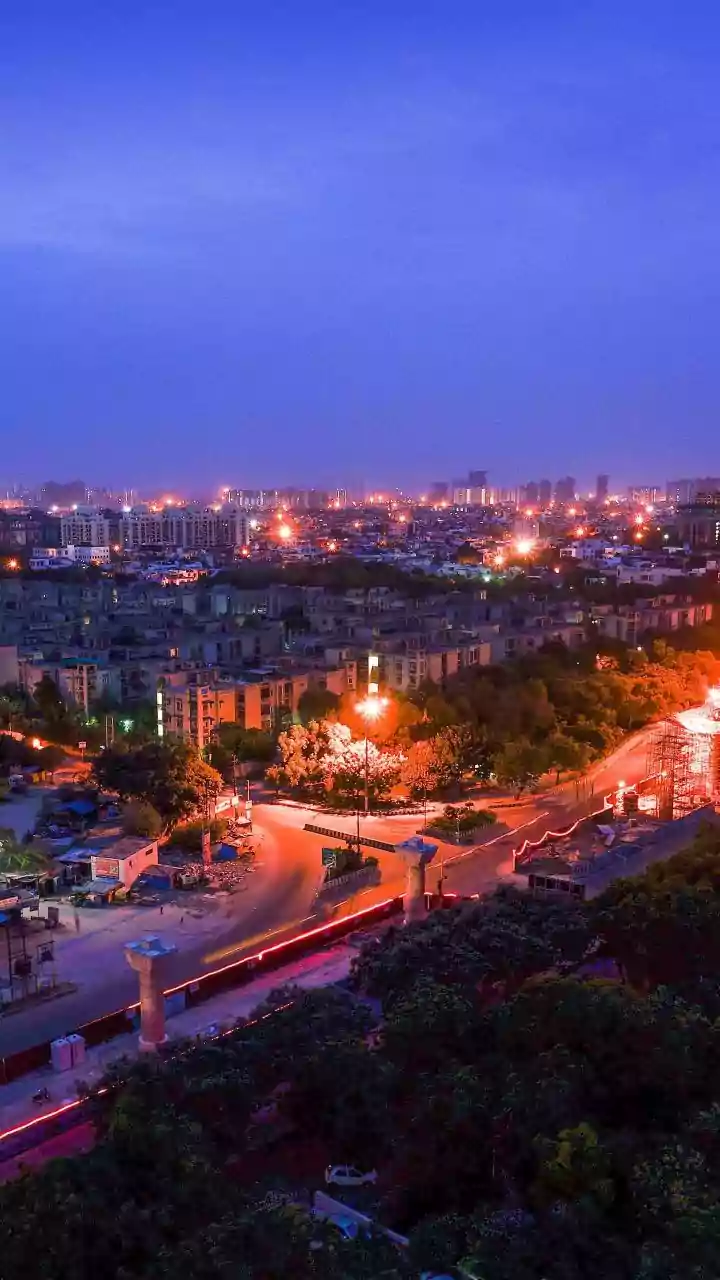
The real problem begins after sunset. As the city is supposed to cool down, the vast expanses of concrete and asphalt begin to slowly release all the heat they absorbed during the day. This process can keep urban air temperatures several degrees warmer than in the countryside, effectively robbing residents of the natural cooling relief of the night. Research shows this night-time warming is a significant consequence of urbanization, with studies in cities like Hyderabad and Bhubaneswar showing temperature enhancements of up to 4-6°C, particularly at night.
The Toll on Sleep and Health
Warmer nights have a direct and detrimental impact on our ability to sleep. To fall asleep and enter the deeper, restorative stages of sleep, our body's core temperature needs to drop. High ambient temperatures at night make this process difficult, leading to restless nights, frequent awakenings, and less time in crucial REM and deep sleep stages. Studies have linked elevated night-time temperatures directly to shorter sleep durations. This lack of quality sleep isn't just about feeling tired; it is linked to increased risks of cardiovascular disease, mental health disorders, and overall reduced cognitive function.
The Tier 2 City Conundrum
While this issue affects all major cities, it is becoming particularly acute in India's rapidly growing Tier 2 cities like Jaipur, Lucknow, and Pune. These cities are experiencing explosive growth, often with dense construction and a reduction in green spaces, which amplifies the UHI effect. One study found that in some developing cities, urbanization contributes to more than 50% of the overall warming trend. A survey in informal settlements across three Tier 2 cities found 42% of residents reported sleep disturbances due to night-time heat. With less established infrastructure and planning, these cities risk repeating and even worsening the mistakes of larger metros.
Building a Cooler Future
The good news is that solutions exist. The key lies in smarter urban planning and construction. Promoting 'cool roofs' with reflective paints, increasing urban green spaces like parks and green walls, and restoring water bodies can provide significant cooling effects. Using alternative and sustainable construction materials, such as thermally efficient paver blocks or even textured concrete surfaces that scatter light, can also play a major role. National and state bodies are now creating Heat Action Plans, which include measures to mitigate the UHI effect by integrating these solutions into urban planning.