





The Big Picture: A Historic Shift
The latest Household Consumption Expenditure Survey (HCES) for 2022-23 and 2023-24 reveals a landmark change in India's economic landscape. In rural India, the share of expenditure on food has fallen to 46-47% from nearly 53% a decade ago. Urban India saw
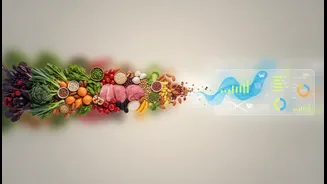
a similar drop, with food now accounting for just under 40% of the household budget. This indicates that as incomes have risen, families are spending more on non-food items like conveyance, durable goods, and entertainment. But the even bigger story lies within the food basket itself, which paints a detailed picture of a nation's evolving relationship with what it eats.
The Fading Dominance of Cereals
For generations, meals across India were built around rice and wheat. This is rapidly changing. The data shows a sharp decline in the share of spending on cereals. In rural households, it has plummeted from over 10% of the budget in 2011-12 to less than 5% now. A similar trend is visible in urban areas, where the share fell from around 7% to under 4%. In terms of quantity, per capita monthly cereal consumption in rural areas fell from 13.4 kg in the mid-90s to 9.4 kg in 2023-24, while in urban areas it dropped from 10.6 kg to 8 kg. This shift is partly credited to government food security schemes that provide subsidised grains, allowing families to spend their money on other food items.
A More Diverse and Protein-Rich Plate
So, what are Indians eating instead? The survey points to a clear diversification of diets. Households are spending significantly more on milk and milk products, eggs, fish, meat, and fresh fruits. For example, spending on beverages and processed foods now constitutes the largest share of food expenditure in both rural and urban areas, accounting for roughly 10-11%. This is followed by milk and dairy products. The trend is especially pronounced among the poorest households, which have shown the most significant gains in dietary diversity. This move towards a more protein-rich and varied diet signals rising incomes, greater market access, and changing lifestyle aspirations.
The Double-Edged Sword of Processed Foods
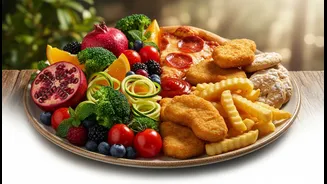
While the shift towards a more diverse diet is a positive sign for nutrition, the explosive growth in the consumption of processed foods presents a new challenge. This category, which includes everything from packaged snacks to sugary drinks, is now a leading component of food expenditure. This trend is driven by convenience, urbanisation, and aggressive marketing. While the food processing industry is a major job creator, public health experts raise concerns about the long-term nutritional implications of diets high in salt, sugar, and unhealthy fats. Despite greater dietary diversity, studies suggest that the intake of essential micronutrients like iron and zinc remains suboptimal for a large part of the population.
Rethinking Nutrition and Agricultural Policy
These profound shifts in consumption demand a fundamental rethink of India’s public policy. For decades, agricultural support, particularly the Minimum Support Price (MSP) regime, has been overwhelmingly focused on cereal production. Nutrition initiatives like the Public Distribution System (PDS) have also been grain-centric. With households now demanding and consuming a wider variety of foods, policies must adapt. There is a growing need for strategies that promote the production and affordability of nutrient-dense foods like pulses, millets, fruits, and vegetables. Aligning agricultural incentives, public distribution, and nutrition education with India's new food reality is the critical next step.