

Beyond the Steel Dabba
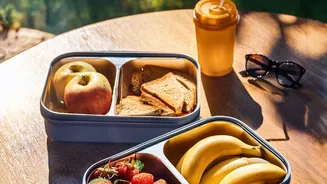
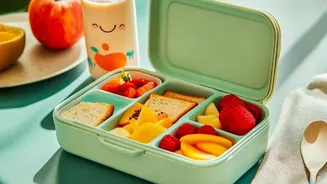
So what exactly is an 'Indian bento'? Drawing inspiration from the Japanese tradition, a bento is a single-portion meal packed in a box with multiple compartments. Unlike the vertically stacked tiers of a classic Indian tiffin, a bento box is typically
a flat container with several sections side-by-side. This isn't about replacing the beloved dabba, but about embracing a new philosophy for packed lunches. The core idea is to create a balanced, visually appealing meal where every component—from the main dish to the sides—has its own dedicated space. This prevents flavours from mixing, meaning your fruit won't taste of curry and your roti won't get soggy from the dal.
A Treat for the Eyes and Body
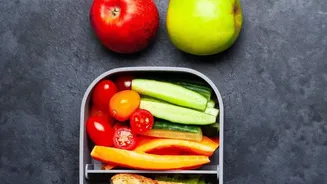
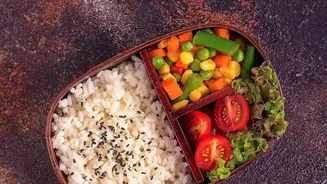
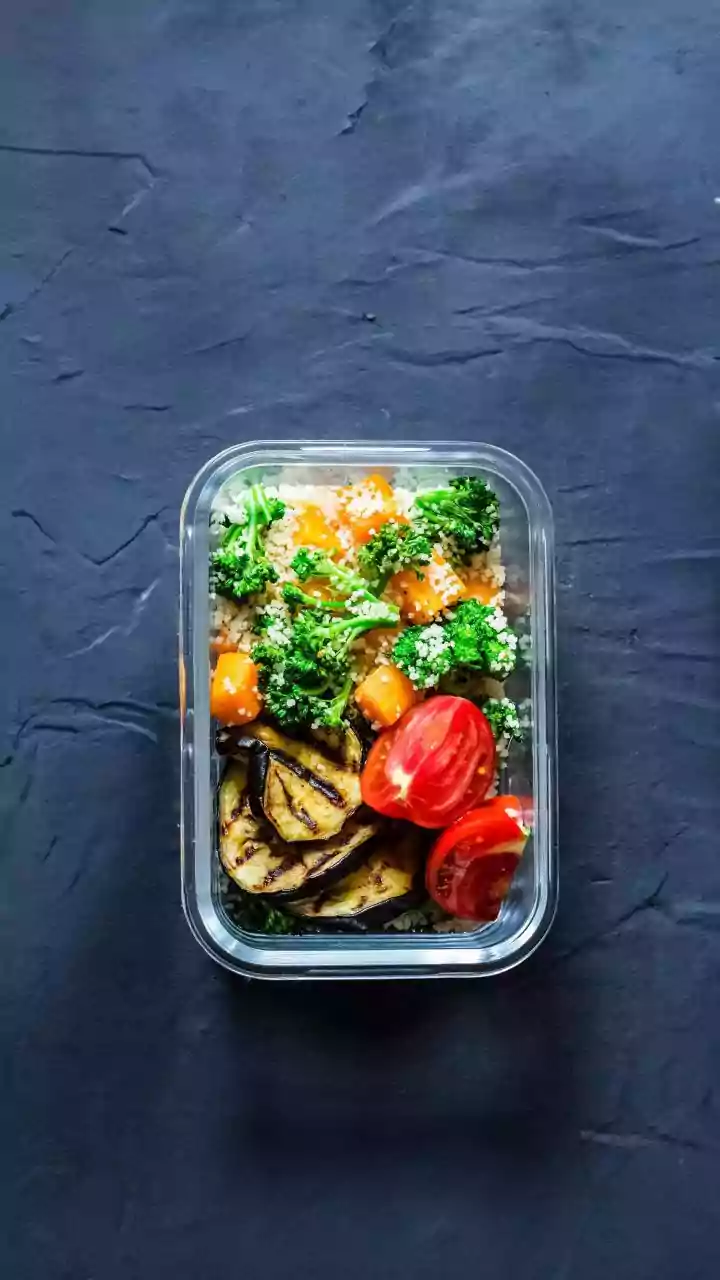
The popularity of the Indian bento is driven by a modern desire for wellness and mindful eating. The separate compartments are a game-changer for portion control, naturally guiding you to pack a balanced meal without having to measure everything. A common approach follows a ratio like 4:3:2:1—four parts carbohydrates (like rice or roti), three parts protein (dal, paneer, chicken), two parts vegetables (sabzi or salad), and one part for a pickle, chutney, or a small treat. This visual approach to balanced eating helps combat the post-lunch slump and keeps you energised. Furthermore, in an age of social media, the aesthetic appeal is undeniable. A colourful, neatly organised meal is simply more joyful and satisfying to eat.
Building Your Perfect Indian Bento
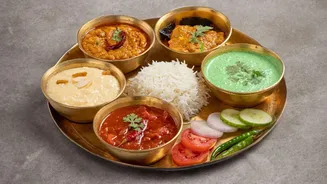
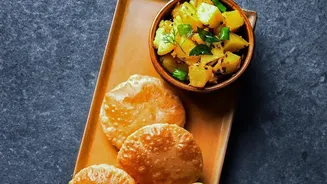
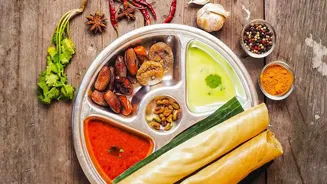
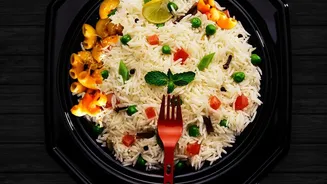
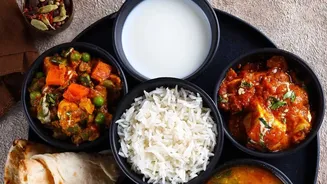
Assembling an Indian bento is a creative process. You can pack almost any of your favourite home-cooked meals. For a North Indian style box, you might have jeera rice, palak paneer, a dry aloo gobi, and a small container of raita. A South Indian version could feature mini idlis, a small serving of sambar (in a leak-proof cup), coconut chutney, and some sliced fruit. Roti rolls, stuffed parathas, and pulao are also excellent choices that travel well. The key is to think in components: a grain, a protein, a vegetable, and a small extra. This structure ensures variety in texture and flavour. For instance, pair a soft paneer bhurji with a crunchy cucumber salad for a more dynamic meal.
The Right Box for the Job
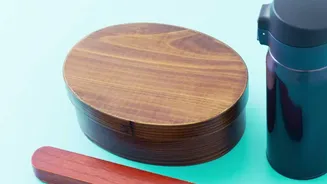
With the trend's growth, the market is now full of bento-style lunch boxes designed specifically for Indian food. When choosing one, look for features like leak-proof seals, especially for compartments intended for gravies or dals. Many modern bento boxes are made from stainless steel, glass, or BPA-free plastic, offering durable and food-safe options. Some even have deeper wells to better accommodate curries, merging the best of bento design with Indian culinary needs. For office-goers, a microwave-safe option can be a huge plus, while for students, durability is key. Ultimately, the right box is one that fits your daily menu and lifestyle.