





Start Small and Slow
The biggest mistake most people make is trying to jump back in where they left off. After a break, your body needs time to adapt again. Your cardiovascular capacity and muscle strength will have decreased, and pushing too hard too soon is a recipe for
injury and burnout. Instead of a full-throttle gym session, begin with shorter, less intense activities. A 30-minute brisk walk, a gentle yoga session, or a few laps in the pool are excellent ways to reintroduce movement. The goal in the first week is not to break records, but simply to get your body moving and re-establish the habit. Think consistency over intensity.
Schedule Your Workouts
Don't leave your workouts to chance. Treat them like important appointments that you cannot miss. Look at your week and block out specific time slots for exercise. Putting it in your calendar makes it a concrete commitment rather than a vague intention that can be easily pushed aside by other tasks. Scheduling helps you mentally prepare and removes the excuse of 'not having time'. Whether it's a 20-minute home workout before breakfast or a walk after dinner, having a set time creates structure and helps rebuild your routine one step at a time.
Ease In With Gentle Exercises
High-intensity workouts can wait. Focus on low-impact exercises that are kind to your joints and muscles as they reacclimate. Bodyweight exercises are a fantastic starting point because they require minimal equipment and can be modified to your current fitness level. Think squats, lunges, planks, and gentle press-ups against a wall. Swimming is another superb option, as the water supports your body, reducing stress on your hips and knees. Yoga not only improves flexibility and strength but also helps create a supportive environment for returning to exercise.
Refuel Your Body Wisely
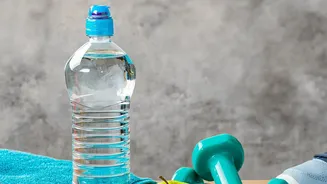
Exercise is only half the battle; nutrition is the other. After a period of festive indulgence, your body might be craving nutrient-dense foods. Focus on reintroducing whole foods into your diet—think fresh fruits, vegetables, lean proteins, and whole grains. These provide the fuel your body needs for energy and muscle repair. It's also crucial to rehydrate. Drink plenty of water throughout the day to help with digestion, nutrient absorption, and overall energy levels. You don’t need to go on a restrictive diet; simply focus on nourishing your body to support your renewed activity levels.
Set Realistic, Short Term Goals
Aiming to lose five kilograms in two weeks or run a 10K right away will likely lead to frustration. Instead, set small, achievable process goals. Your goal for the first week could be as simple as 'walk for 20 minutes, three times' or 'attend one yoga class'. These small wins build momentum and confidence. They serve as stepping stones toward your larger, long term fitness ambitions. Remember, the initial objective is simply to get moving again and make exercise a consistent part of your life. Progress will naturally follow.
Be Patient and Kind to Yourself
It's normal to feel like you've lost progress. Don't let your ego push you into doing too much, too soon. Your strength and stamina will return faster than it took to build them initially, but it still requires patience. Acknowledge that you took a well deserved break. Now, focus on the positive step you're taking by restarting. Listen to your body, allow for rest and recovery, and don't get discouraged by post workout soreness, which is to be expected. A compassionate mindset is more sustainable than a critical one.