





The Unbundling of Air Travel
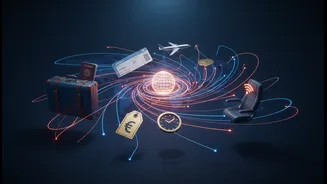
Not long ago, a plane ticket included your seat, a checked bag, and maybe a meal. Today, many airlines have adopted an 'à la carte' model. This process, known as unbundling, separates the base fare—which may only cover your transport from A to B—from
services that were once standard. Airlines now generate significant revenue from these extras, often called ancillary fees, which include everything from baggage to seat selection. For travellers, this means the attractive low price you see initially can quickly inflate if you're not careful.
The Baggage and Carry-On Trap
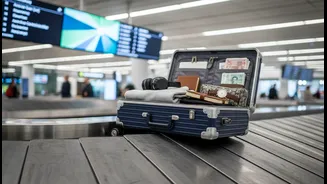
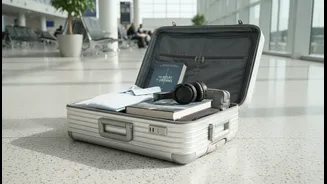
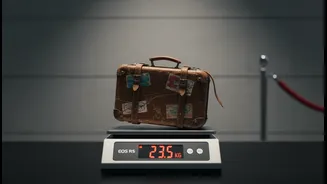
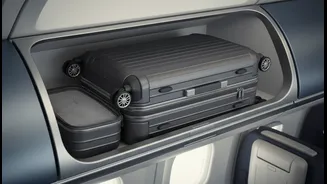
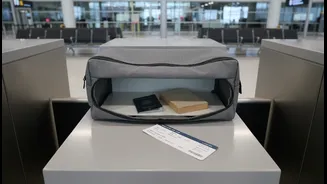
Baggage fees are one of the most common and significant extra costs. What you're allowed to bring, and what you'll pay for it, varies wildly. Budget carriers are known for charging for both checked and carry-on bags. A seemingly cheap ticket can double in price once you add luggage. Even full-service carriers often charge for checked bags on their lowest-priced 'Basic Economy' fares. Before you book, check the airline’s baggage allowance and fees for the specific fare you're considering. If you must check a bag, it's almost always cheaper to pay for it online during booking rather than at the airport.
The Seat Selection Shuffle in India
Want to sit with your family or guarantee a window view? That will likely cost you extra. Airlines now routinely charge fees for advance seat selection, even for standard economy seats. In response to growing passenger complaints, Indian aviation authorities recently introduced new rules. As of early 2026, airlines in India are mandated to offer at least 60% of their seats for free selection and must try to seat passengers on the same booking (PNR) together. While this provides more free options, the most desirable seats will likely still carry a fee, so checking the policy remains essential, especially for families.
In-Flight Comforts Come at a Cost
The unbundling continues once you're on board. While some full-service international carriers still provide complimentary meals and drinks, many airlines, particularly on domestic or short-haul routes, have turned these into paid extras. Want a snack, a soft drink, Wi-Fi access, or even a blanket? Be prepared to open your wallet. A smart way to save is to bring your own empty water bottle to fill up post-security and pack your own snacks.
Calculating the True 'Total Cost'
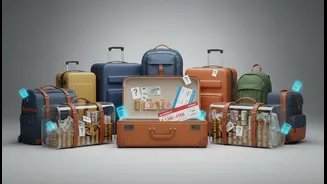
To make an informed decision, you must calculate the total cost of your trip. Don't just compare the headline fares. Create a simple checklist for each airline you're considering: 1. Base Fare: The initial ticket price. 2. Baggage Fees: Cost for carry-on and checked bags. 3. Seat Selection: Any fees to sit where you want or with companions. 4. In-Flight Needs: Estimate costs for food, drinks, or Wi-Fi if they are important to you. Add these up to find the true price for each option. Often, a slightly more expensive ticket on a full-service carrier that includes baggage and seat selection can be cheaper overall than a budget airline fare loaded with extras.
When Loyalty Outweighs the Lowest Fare
For infrequent travellers, chasing the lowest total cost is usually the best strategy. However, for those who fly regularly, loyalty to a single airline or alliance can pay off. Elite status can come with perks like free checked bags, complimentary seat selection, priority boarding, and lounge access—benefits that you would otherwise pay for. These perks can sometimes justify choosing a slightly higher fare on your preferred airline, as the value of the benefits outweighs the cost difference. Some airline-affiliated credit cards also offer similar benefits, such as a free checked bag, which can be a valuable perk.