



What Are the Perseids?
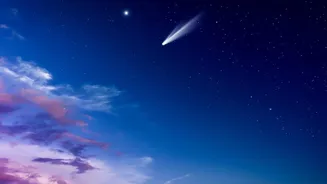
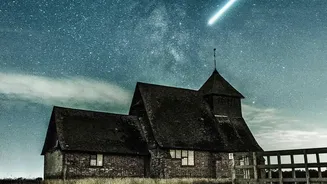
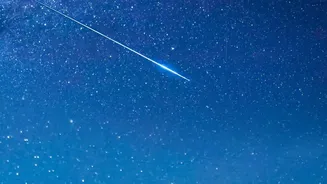
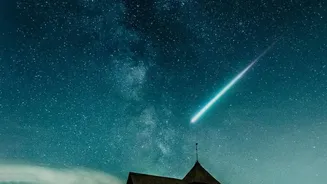
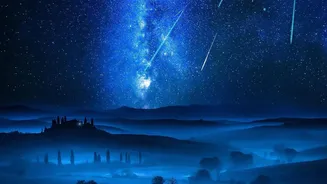
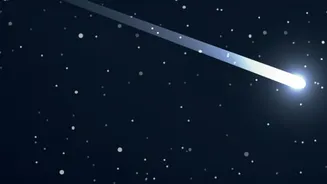
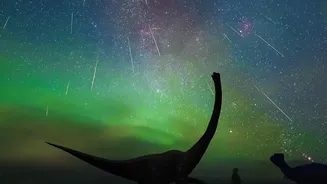
The Perseids are a prolific meteor shower that graces our skies every year from mid-July to late August. These 'shooting stars' are not actually stars but tiny bits of ice and rock—many no larger than a grain of sand—burning up as they hit Earth’s atmosphere
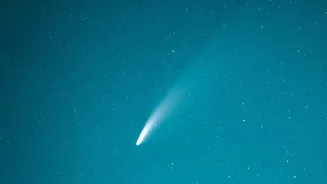
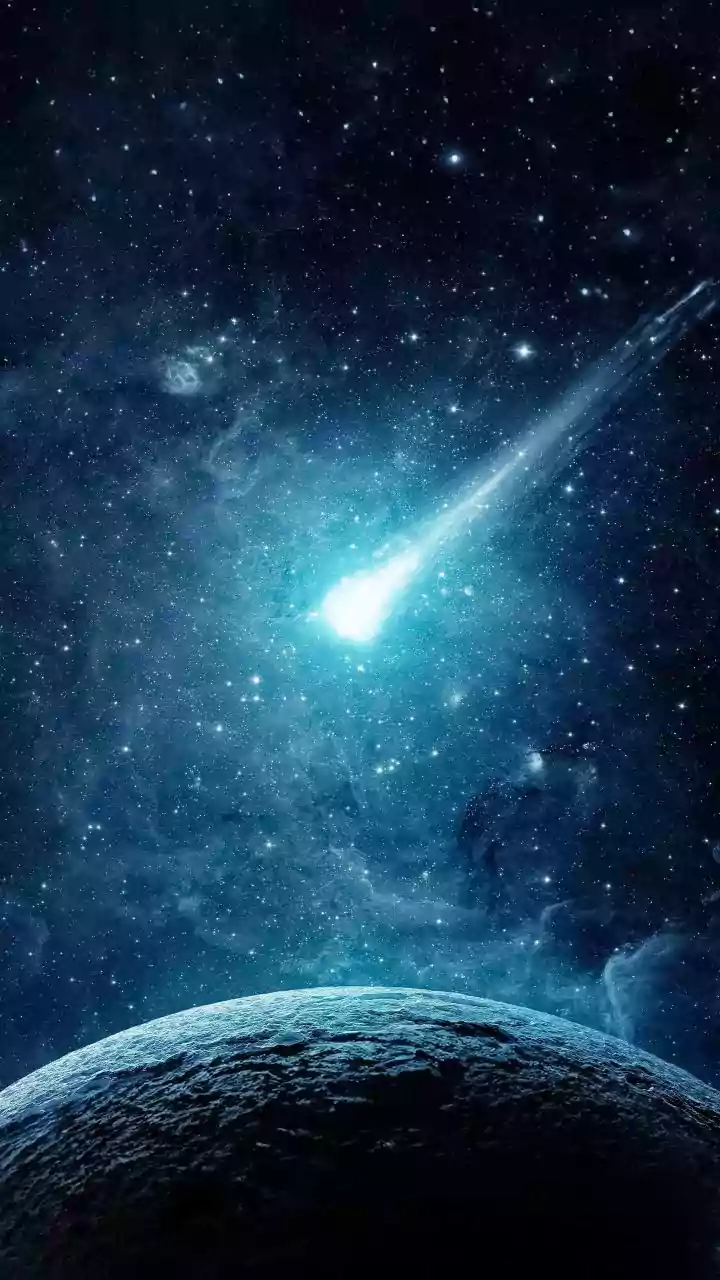
at incredible speeds. This debris comes from the comet 109P/Swift-Tuttle, a massive celestial body that orbits the sun every 133 years. As Earth passes through the dusty trail the comet leaves behind, we are treated to a spectacular light show. The meteors appear to radiate from the constellation Perseus, which is how they get their name.
A Near-Perfect Year for Viewing
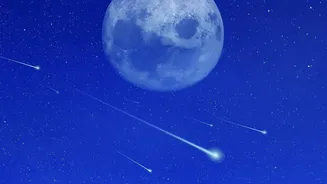
The single biggest factor for a good meteor shower viewing, aside from clear skies, is the darkness of the sky. Bright moonlight can wash out all but the most brilliant meteors, significantly reducing the number you can see. This is what makes 2026 exceptional. The peak of the shower coincides with the new moon on August 12-13. This means the moon will be absent from the night sky, creating ideal, dark conditions for spotting the meteors. Under these optimal circumstances, viewers in dark locations can expect to see between 50 and 100 meteors per hour during the peak.
When and Where to Watch
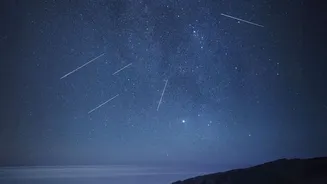
The Perseid shower will be active from around July 17 to August 24. However, the best time to watch will be during the peak, on the night of August 12 and into the pre-dawn hours of August 13. The number of meteors tends to increase as the night wears on, with the hours between midnight and sunrise typically offering the most activity. To see the show, you don’t need to look in any specific direction. Although the meteors radiate from the constellation Perseus, they will appear all across the sky. In fact, meteors seen farther from the radiant point will often have longer and more dramatic trails.
Finding the Best Seat
Your top priority should be getting away from city lights. Light pollution is the main obstacle for any kind of stargazing. A rural area, a large park, or any spot with a wide-open view of the sky, far from streetlights and buildings, will dramatically improve your experience. Once you find your spot, lie back on a blanket or recline in a chair. This will give you the widest possible view of the sky without straining your neck. There's no need for a telescope or binoculars; your naked eyes are the best tool for the job, as they allow you to take in the entire celestial canvas.
What to Bring for the Show
Comfort is key for enjoying a meteor shower, as it requires patience. Dress in layers, as even summer nights can get chilly in the early morning hours. Pack a comfortable blanket or a reclining lawn chair, along with some snacks and a warm drink. The most important tip is to give your eyes time to adjust. It takes about 20 to 30 minutes for your eyes to fully adapt to the darkness, which will allow you to see the fainter meteors. During this time, avoid looking at your phone or any other bright lights, as it will reset your night vision. Then, just lie back, look up, and enjoy the cosmic performance.