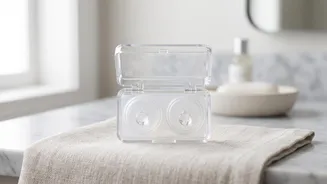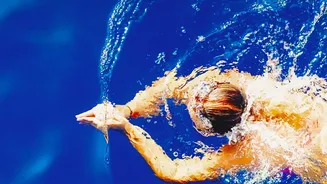

For millions, contact lenses offer freedom from glasses. But that convenience comes with a critical rule: keep them away from water. A quick swim or shower with lenses in can lead to serious eye health risks you need to know about.
The Unseen Dangers in Water
It’s easy to think of
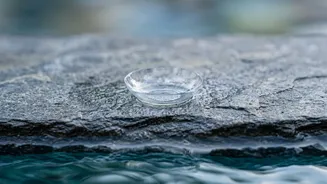
water, especially from a tap or a chlorinated pool, as clean. But for your eyes, it’s a different story. Water is not sterile and can contain countless microorganisms. The most notorious of these is an amoeba called Acanthamoeba. This organism is commonly found in tap water, lakes, oceans, and even swimming pools and hot tubs. If it gets trapped between your contact lens and your eye, it can cause a severe, painful infection called Acanthamoeba keratitis. This condition is difficult to treat and can lead to permanent vision loss or even the need for a corneal transplant.
How Contact Lenses Increase the Risk
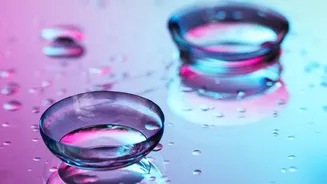
Soft contact lenses are designed to be comfortable and breathable, but their sponge-like material readily absorbs water. This means that when you swim or shower, the lens can act like a petri dish, soaking up any microbes present and holding them directly against the surface of your eye. Water can also cause the lens to swell, change shape, and stick to your cornea. This not only causes discomfort but can create microscopic scratches on the eye's surface, making it even easier for bacteria and other germs to cause an infection.
Swimming Goggles: A Simple Solution
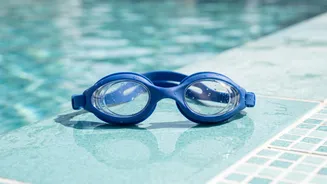
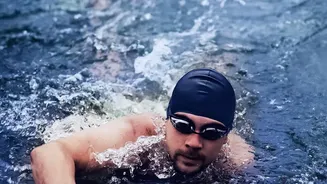
Health authorities like the U.S. Centers for Disease Control and Prevention (CDC) are clear: you should remove contact lenses before any activity involving water, including swimming and showering. For those who need vision correction to see clearly in the water, this presents a challenge. The best and safest solution is to wear a pair of well-fitting, waterproof swimming goggles. Goggles create a secure seal around your eyes, providing a physical barrier that keeps contaminated water away from your lenses and cornea. This drastically reduces the risk of infection and irritation while allowing you to wear your contacts. Make sure your goggles fit snugly to prevent any leaks.
Safer Alternatives for Clear Vision
While regular goggles over your contacts are a great defence, there are other options to consider for even greater safety and convenience. Prescription swimming goggles are an excellent alternative, offering clear vision without needing contact lenses at all. These are customised to your exact prescription and eliminate the risk entirely. Another strategy, if you must wear contacts, is to use daily disposable lenses. You can wear a fresh pair for swimming (under goggles) and then discard them immediately afterward, minimising the time any potential contaminants are in contact with your eyes. However, this reduces, but does not eliminate, the risk.
What to Do After Accidental Exposure
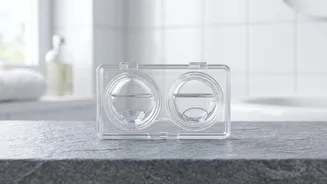
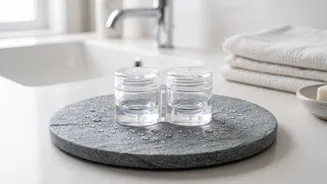
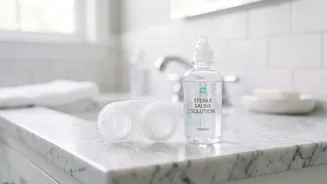
If you do accidentally get water on your lenses, it's important to act quickly. Remove the lenses as soon as possible. If you're wearing daily disposables, throw them away immediately. If they are reusable lenses, you must thoroughly clean and disinfect them, preferably soaking them overnight in fresh solution before wearing them again. Never rinse or store your contacts in tap water. Pay close attention to your eyes in the following days. If you experience any redness, pain, light sensitivity, blurry vision, or the feeling that something is in your eye, contact your eye doctor immediately.