




What is El Niño?
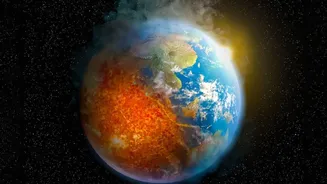
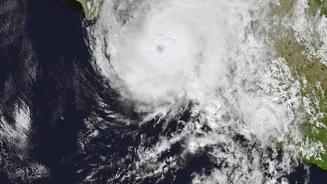
El Niño, Spanish for 'the little boy', is a naturally occurring climate pattern characterized by the unusual warming of surface waters in the central and eastern tropical Pacific Ocean. This isn't just a localized ocean event; it triggers a cascade of atmospheric
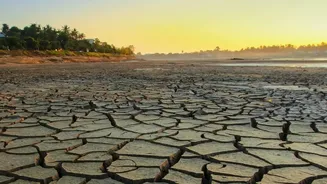
changes that alter weather worldwide. Typically occurring every two to seven years, El Niño events weaken the normal east-to-west trade winds. This disruption can suppress the Indian summer monsoon, which is vital for the nation's agriculture and water security. Historically, many of India's significant drought years have coincided with strong El Niño events.
The 2026 Forecast: A Strengthening Event
As of late November 2026, multiple international forecasting agencies have confirmed that El Niño conditions are not only present but strengthening. The World Meteorological Organization (WMO) has warned that the event is expected to peak around December 2026 and persist through the first few months of 2027. Some models suggest it could rival the intensity of historically strong events like those in 1997-98 and 2015-16. While forecasts are probabilistic and not guarantees, the high degree of confidence from agencies like the WMO and NOAA indicates a significant likelihood of widespread climate impacts.
The Threat of Searing Heatwaves
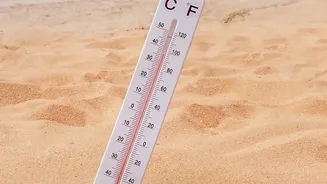
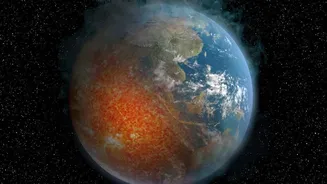
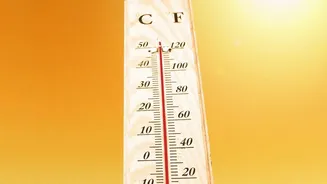
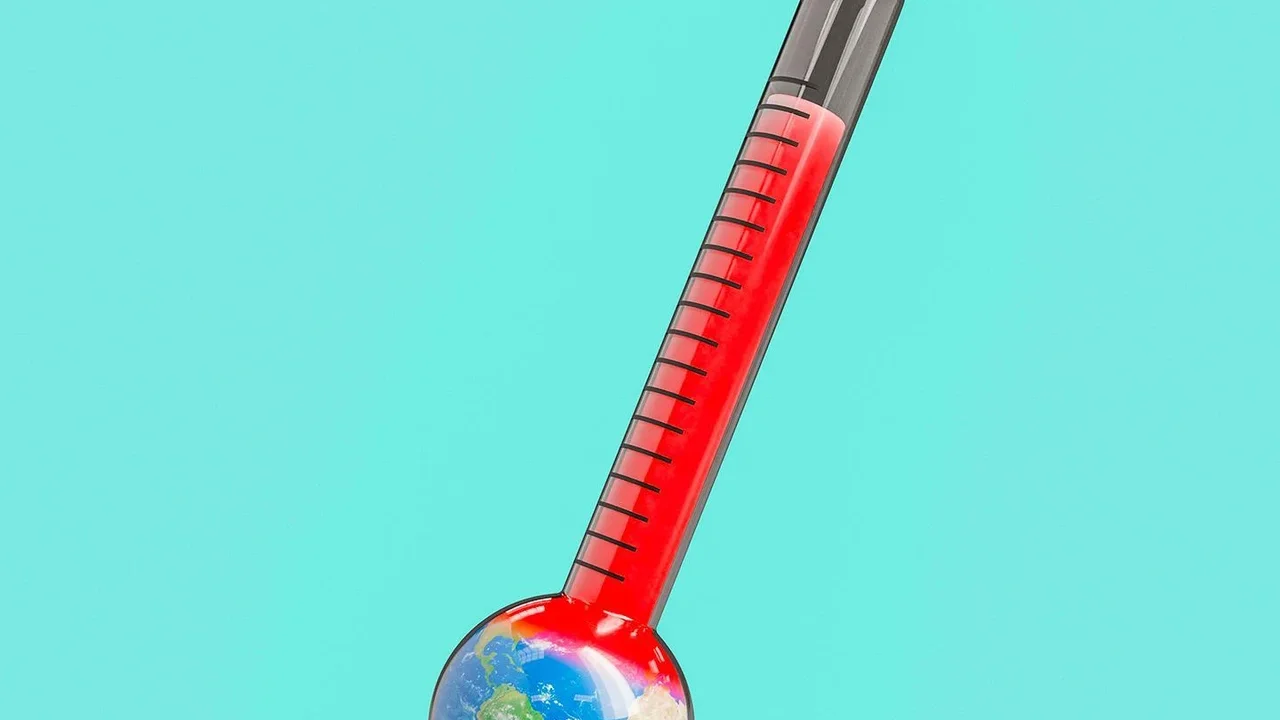
One of the most direct impacts of El Niño on India is an increase in temperatures. El Niño years are strongly associated with more frequent and intense heatwaves, particularly in the pre-monsoon months. The background warming of the planet due to climate change can further amplify these heat events. India has already experienced the lethal consequences of such compound events, with past El Niño-linked heat seasons resulting in significant heat-related health crises. The World Health Organization (WHO) has already identified India as a country facing high public health risks from the current El Niño, citing heat stress as a major concern.
An Unpredictable and Erratic Monsoon
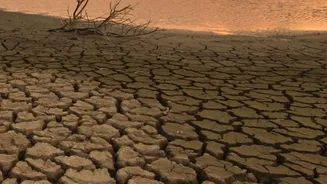
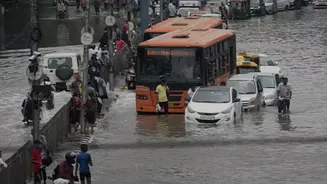
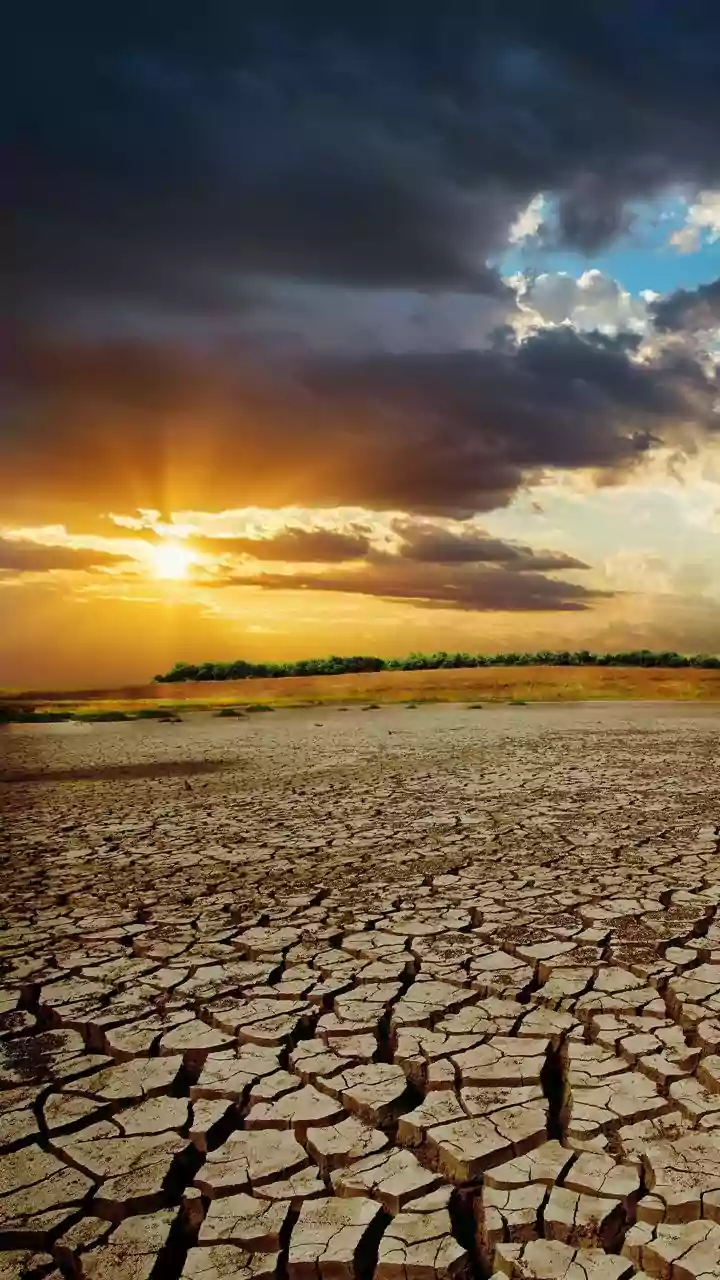
While El Niño is often linked to suppressed rainfall and drought conditions in India, its effect on the monsoon can be complex. The primary risk is a weaker overall monsoon, leading to rainfall deficits that strain water reservoirs and harm agricultural output. However, recent studies have uncovered a paradoxical effect: even in a drier-than-average season, El Niño can increase the frequency of extreme, intense rainfall events in certain parts of the country. This creates a dual threat of extended dry spells punctuated by damaging, localized floods, making water management and agriculture even more challenging.
Nationwide Impacts: From Farms to Cities
The consequences of a strong El Niño reverberate through every sector of Indian society. Agriculture, heavily dependent on the monsoon, faces the risk of crop failure, which can lead to higher food prices and impact household budgets nationwide. Reduced rainfall affects water security, with lower levels in reservoirs impacting both drinking water supplies and hydropower generation. Public health systems are also strained, not just by heatwaves but also by a potential increase in waterborne and vector-borne diseases. These interconnected challenges underscore the need for comprehensive, cross-sectoral preparedness.