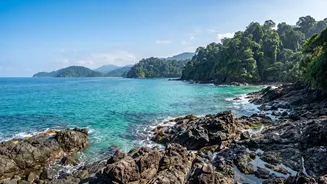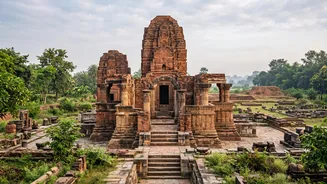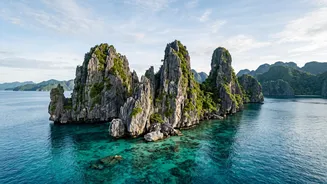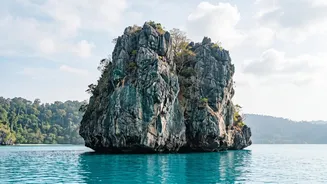








Several sites from India, including the ancient landscape of Sirpur and unique geological formations in the Andamans, have recently been added to UNESCO's Tentative List. But this isn't the finish line; it's the starting block.
What is the Tentative List?
Think of the UNESCO Tentative
List as a country's official inventory of its most significant cultural and natural heritage sites. Before a location can even be considered for the prestigious World Heritage List, it must first be included on this provisional list. It is a mandatory first step, signalling a nation's intent to nominate a site for global recognition within the next five to ten years. A site must be on the Tentative List for at least a year before the formal nomination process can begin. This list is not permanent; countries can update it, adding new sites they believe have 'Outstanding Universal Value' or even removing others. It is the foundational step in a long and rigorous journey towards becoming a World Heritage Site.
Spotlight on India’s New Additions
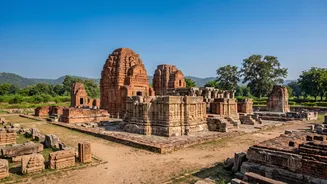
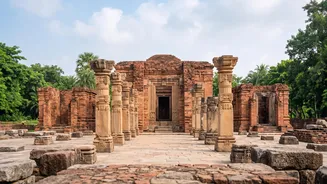
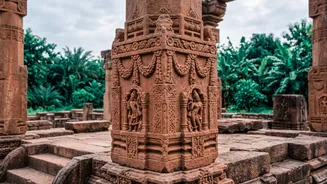
India recently added a few noteworthy sites, including two distinct heritage treasures. The first is the 'Sirpur Cultural and Archaeological Landscape' in Chhattisgarh. Located on the banks of the Mahanadi River, Sirpur was once the thriving capital of the Dakshina Kosala kingdom. Its significance lies in the rare coexistence of Hindu, Buddhist, and Jain monuments, with remains of temples, monasteries, and stupas dating from the 5th to the 12th century. The other key additions are from the Andaman and Nicobar Islands, including geological wonders like the 'Karst-mud-volcano Complex of Baratang' and the 'Andaman Subduction Volcanoes' of Barren and Narcondam Islands. Barren Island is notably South Asia’s only confirmed active volcano, offering a living laboratory for geological and ecological studies.
The Long Road to World Heritage Status
Getting on the Tentative List is just the beginning. The next phase is far more demanding. The country, in this case India, must prepare a comprehensive nomination dossier for each site. This document is like an exhaustive legal and scientific case, proving the site's 'Outstanding Universal Value'. This file is submitted to the UNESCO World Heritage Centre for a technical review. Following this, the nomination is evaluated by independent advisory bodies—the International Council on Monuments and Sites (ICOMOS) for cultural sites and the International Union for Conservation of Nature (IUCN) for natural sites. These bodies conduct rigorous field missions and assessments. Finally, based on these expert evaluations, the World Heritage Committee, composed of 21 elected member states, makes the final decision on whether to inscribe the site on the World Heritage List. The entire process can take several years of dedicated effort.
Why This Recognition Matters
Achieving a spot on the World Heritage List brings immense prestige and a host of tangible benefits. It raises international awareness, which can significantly boost tourism, bringing economic benefits to local communities. More importantly, the designation unlocks access to the World Heritage Fund for financial assistance in conservation projects and provides technical expertise for site management. It also establishes a framework for protection and management, holding the host country accountable for the site's preservation for future generations. This international recognition acts as a powerful catalyst for conservation efforts, ensuring that these irreplaceable treasures are safeguarded against threats like environmental degradation and uncontrolled development.