


The 'Goldilocks' Window for Soil
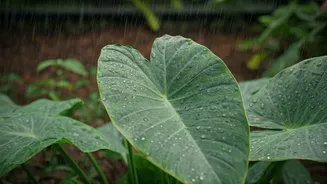
Experienced gardeners know there's a sweet spot for working with soil, and it arrives right after a moderate rainfall. When soil is bone-dry, it can be as hard as concrete, making digging a back-breaking chore. When it’s completely waterlogged, it turns
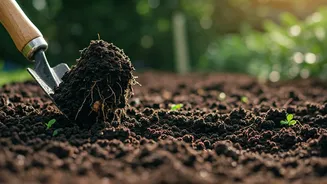
to heavy, sticky mud that's impossible to work with and damaging to its structure. The ideal condition is ‘moist and friable’. This means the soil is damp enough to be soft and workable but not so wet that it clumps together. A simple test can tell you if it's ready: grab a handful of soil and give it a gentle squeeze. If it forms a loose ball that easily crumbles when you poke it, you’ve hit the jackpot. If water drips out or it forms a dense, clay-like ball, it’s too wet. Give it another day or two to dry out.
Effortless Weeding at Last
If there's one garden chore that benefits most from damp soil, it's weeding. Weeds, especially those with deep taproots like dandelion or persistent runners, can be notoriously difficult to remove from dry, compacted ground. You often end up snapping the top off, leaving the root behind to regrow with a vengeance. Rain changes the game completely. The moisture lubricates the soil particles and loosens the root’s grip, allowing you to pull out the entire plant—root and all—with minimal effort. This is far more effective than surface-level hoeing, as it prevents regrowth. So, after a good soak, grab your gloves and a weeding fork. You’ll be surprised how quickly you can clear a bed that would have taken hours of wrestling in dry conditions.
Digging and Turning with Ease
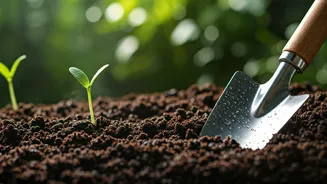
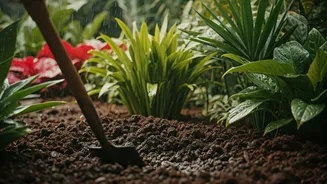
Whether you're creating a new garden bed from scratch, turning over soil in your vegetable patch, or digging a hole for a new shrub, moist soil is your best friend. A spade or shovel will slice into damp earth much more easily than into a hard, sun-baked crust. The reduced resistance means less strain on your back, shoulders, and arms. This is the perfect time to ‘double dig’ a new bed, a technique that involves loosening the soil to a depth of two spades. It’s an intensive task that is made significantly more manageable by the rain-softened ground. Similarly, if you're preparing your vegetable plot for the next planting season, turning the soil over to aerate it and break up clumps becomes a fluid, almost pleasant task rather than a strenuous battle against the earth.
Perfect for Adding Amendments
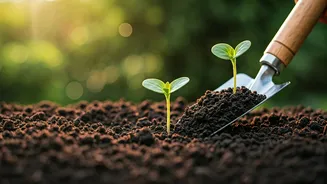
Improving your soil's health and fertility is a cornerstone of successful gardening. This often involves incorporating organic matter like compost, well-rotted manure, or coco peat. Trying to mix these amendments into dry, dusty soil can be frustrating; the materials don’t integrate well and can sit in dusty pockets. Moist soil, however, acts like a perfect mixing bowl. It has the right consistency to allow for even distribution of amendments. As you turn the soil, the compost and other organic matter blend in seamlessly, creating a uniform, nutrient-rich environment for your plants. The moisture helps kickstart the microbial activity in the compost, making its nutrients more readily available to plant roots. This ensures your efforts to feed the soil translate directly into healthier, more robust plants.
A Word of Caution: Avoid Compaction
While moist soil is ideal, *wet* soil is a minefield. The most significant risk of working overly saturated ground, especially with heavy clay content, is soil compaction. When you walk on or dig in mud, you squeeze out the air pockets between soil particles. These pockets are vital for water drainage and for providing oxygen to plant roots. Once compacted, soil structure is severely damaged, leading to poor drainage, waterlogging, and suffocated roots. It can take years for the soil to recover. So, if the soil squelches under your feet or fails the squeeze test, put the tools away. Using heavy machinery like a rototiller on wet soil is even more destructive. Patience is a gardener's virtue; waiting an extra day or two for the soil to reach that perfect friable state will save you a world of trouble later.