





Why Forts Work in the Rain
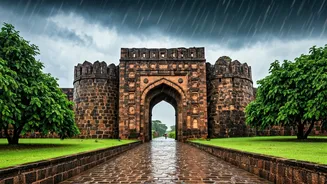
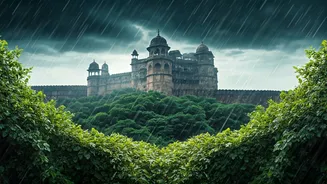
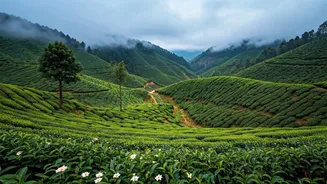
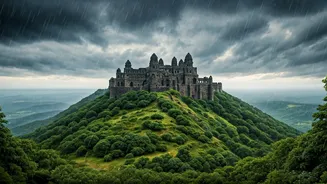
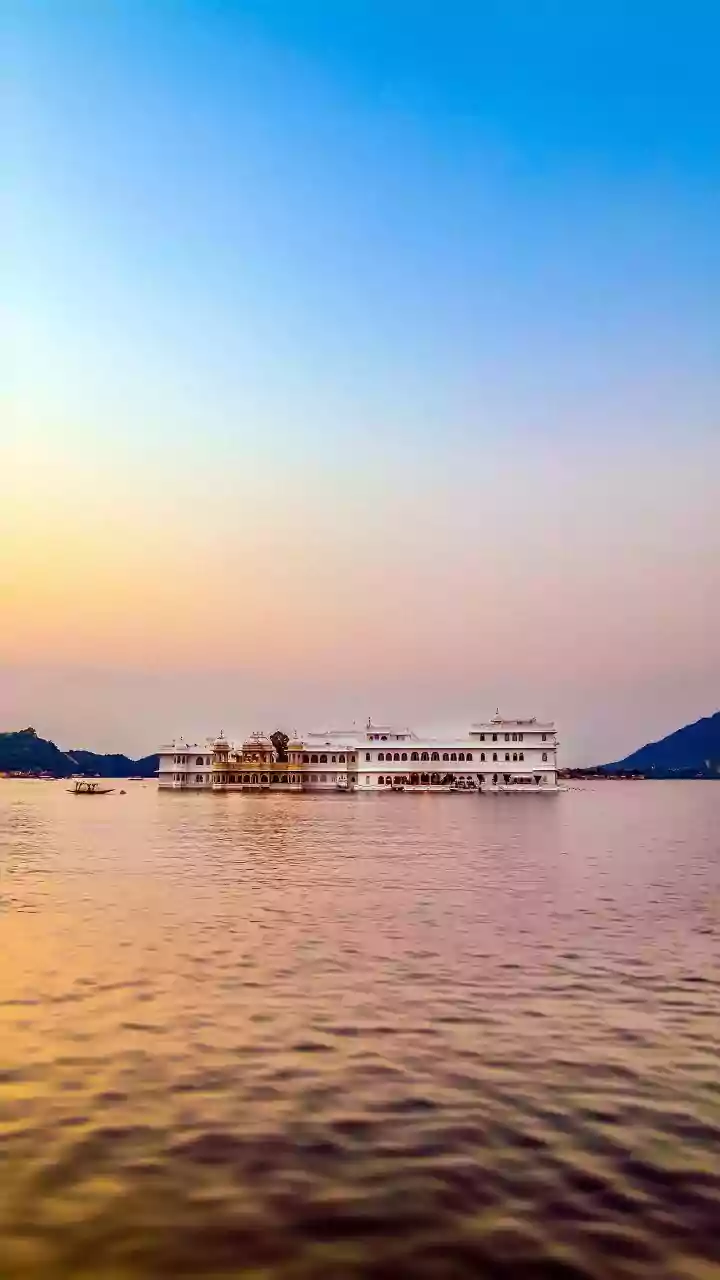
The magic of visiting a fort during the monsoon lies in the transformation of its surroundings and atmosphere. Arid landscapes turn into verdant paradises, stone ramparts glisten under the rain, and dramatic, cloud-filled skies create a moody, photographic
backdrop. The 'compromise' is simple: you trade peak-season crowds and scorching heat for a more serene, intimate experience. The cooler weather is perfect for exploring sprawling structures, and the indoor palaces, museums, and courtyards within these forts offer a perfect refuge during a downpour. It’s a chance to see these monuments not just as historical relics, but as living landscapes breathing in the fresh, rain-washed air.
Kumbhalgarh, Rajasthan: The Great Wall in the Clouds
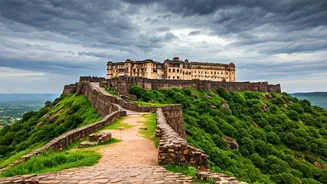
Often called the 'Great Wall of India', Kumbhalgarh Fort's massive 36-kilometre perimeter becomes truly epic during the monsoon. The surrounding Aravalli hills, part of a wildlife sanctuary, shake off their dry-season brown for a coat of emerald green. The drive from Udaipur itself is a scenic experience, with seasonal waterfalls and misty roads. The fort often appears to emerge from the clouds, and exploring its highest point, the aptly named Badal Mahal (Palace of Clouds), gives you the surreal feeling of walking among them. With fewer tourists, you can explore its 360-plus temples and palaces in relative peace, making it a top-tier destination for those seeking heritage and tranquility.
Mehrangarh, Jodhpur: The Blue City’s Dramatic Crown
Jodhpur’s iconic Mehrangarh Fort, perched on a rocky outcrop, offers a completely different vibe in the monsoon. The rain washes the blue houses of the old city, making them appear even more vibrant from the fort’s ramparts. The scorching desert heat is replaced by cooler temperatures, making it comfortable to explore the fort's vast complex and museum, which houses an impressive collection of royal artifacts. The usually arid Rao Jodha Desert Rock Park at the fort's base becomes a surprising oasis of green. Enjoying a cup of tea from a rooftop cafe while watching storm clouds gather over the majestic fort is an unforgettable monsoon experience.
Lohagad, Maharashtra: The Trekker's Green Paradise
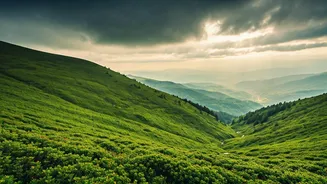
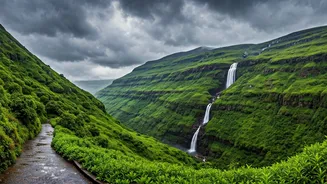
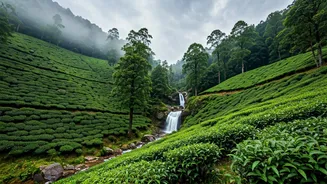
For those near Mumbai and Pune, the forts of the Sahyadris are a classic monsoon pilgrimage. Lohagad, the 'Iron Fort', is a fantastic choice for beginners and seasoned trekkers alike. During the rains, the entire landscape transforms into a stunning panorama of green valleys, cascading waterfalls, and mist-covered trails. The trek itself is part of the appeal, with stone steps often covered in moss and clouds drifting across your path. Reaching the top rewards you with breathtaking views, especially of the famous 'Vinchu Kata' or scorpion's tail ridge. However, the beauty comes with risks; slippery paths and strong winds mean good trekking shoes and caution are essential for a safe adventure.
Golconda, Hyderabad: A Fortress Lost in Time
The Golconda Fort in Hyderabad takes on a rugged, timeless charm during the rainy season. As rain darkens the ancient stones and seeps into mossy crevices, the sprawling fortress feels like a different world. The fort’s clever water systems become more visible, and the views over a mist-covered Hyderabad from the summit are spectacular. Exploring its palaces, mosques, and audience halls feels more intimate and atmospheric with the sound of rain as a backdrop. While heavy rains have caused damage to parts of the structure in the past, a visit during a light drizzle offers a uniquely peaceful and photogenic experience.