






The Modern Thirst for Wellness
In a world saturated with sugary sodas and artificially flavoured juices, there is a growing movement towards mindful consumption. More and more people are seeking out beverages that do more than just quench thirst—they want drinks that nourish, heal,
and align with a healthier lifestyle. This shift is particularly noticeable in India, where a rich heritage of wellness practices is being rediscovered and adapted for the modern palate. Traditional summer drinks like Aam Panna and Chaas have always been part of the culture, known for their cooling and digestive properties.. Now, two powerhouse fruits, kokum and jamun, are stepping into the spotlight, presented in a new, accessible format: as low-sugar, cold-steeped infusions.
Kokum: The Cooling Digestive Aid
Often relegated to its role as a souring agent in coastal curries, kokum (Garcinia indica) is a fruit bursting with benefits. Traditionally, kokum sherbet is known for its ability to cool the body, making it a perfect antidote to sweltering heat.. Its health advantages are extensive; it is widely recognised for its digestive properties, helping to alleviate acidity, bloating, and indigestion.. Rich in antioxidants and a compound called hydroxycitric acid (HCA), kokum is also linked to promoting heart health by managing cholesterol levels and supporting weight management.. A cold drink made from this tangy fruit offers a refreshing way to hydrate while reaping these traditional wellness benefits.
Jamun: The Purple Powerhouse
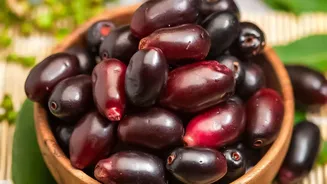
Jamun, or the Indian blackberry, is another fruit deeply rooted in Ayurvedic traditions. It’s most famous for its association with blood sugar management, as compounds in the fruit and its seeds are believed to help regulate glucose levels and improve insulin activity.. But its powers don't stop there. Jamun is a fantastic source of Vitamin C and iron, which helps boost immunity and increase haemoglobin levels.. Its rich antioxidant content aids in detoxifying the body and promoting radiant skin by purifying the blood.. The fruit’s naturally astringent and slightly sweet-sour taste makes it an ideal candidate for a beverage that is flavourful without relying on heaps of sugar.
The Cold Steeping Advantage
The method of preparation is what makes these drinks truly modern. Unlike traditional hot-brewed sherbets, cold steeping involves infusing the fruits in cold water over several hours. This gentle process has distinct advantages. Heat can sometimes destroy delicate compounds and extract more tannins, leading to a bitter or astringent taste.. Cold steeping, however, results in a smoother, naturally sweeter, and less sharp flavour profile.. This slow, deliberate infusion allows the water to absorb the flavours and nutrients of the kokum and jamun without the need for boiling, preserving more of their natural goodness and creating a more refreshing final product.
Making the Healthy Choice
The “low sugar” aspect is key to the appeal of these drinks. The natural tartness of kokum and the complex flavour of jamun mean they don’t need excessive sweetening to be enjoyable. This stands in stark contrast to many commercial beverages that are laden with refined sugars. For those looking to make these drinks at home, it’s as simple as adding dried kokum rind or deseeded jamun pieces to a jar of water and letting it sit in the refrigerator overnight. For convenience, a growing number of brands in India now offer ready-to-drink sugar-free or low-sugar versions, as well as premix powders that just need water.. This makes incorporating these healthy drinks into a daily routine effortless, whether as a morning hydrator, a post-meal digestive, or a simple evening refresher.