




The Quest for Creaminess
Anyone who has sampled the wide world of dairy-free frozen desserts knows the textural pitfalls. Many plant-based ice creams can be icy, chalky, or leave a lingering, grainy mouthfeel. The reason is simple food science: milk fat, the very component dairy-free options
lack, is a master of creating creaminess. It coats ice crystals, keeping them small, and provides a rich, satisfying density. Without it, formulators face a challenge. Water-heavy bases made from almond or rice milk can lead to large ice crystals, resulting in an unpleasantly icy product. Soy milk, while higher in protein, can impart a distinct beany flavour that overpowers delicate additions. The goal has always been to find a plant-based alternative that can mimic the magic of dairy fat, and for many in the food world, the search has ended with the humble cashew.
The Superior Science of Cashews
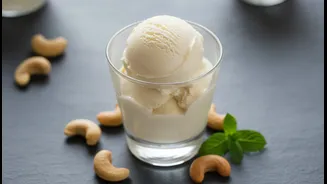
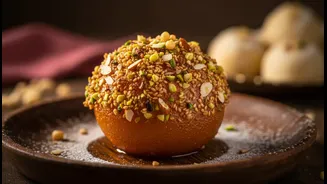
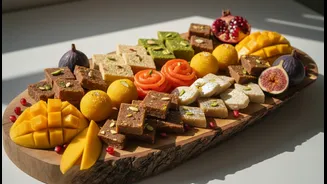
Enter the cashew, or as it's known in India, the kaju. Long celebrated in Indian cuisine for lending richness to curries and a decadent silkiness to sweets like kaju katli, its properties are uniquely suited for creating premium frozen desserts. When soaked and blended, cashews break down into an exceptionally smooth, neutral-tasting cream. The secret is in their composition. Cashews possess a high fat content, much of which is monounsaturated fat. This fat structure is crucial for creating a stable emulsion—a mixture of fat and water—which is the foundation of any creamy gelato. Unlike other nuts that can be gritty when milled, cashews yield a fine, silky paste that provides richness and body, effectively mimicking the role of dairy cream without any unwanted flavour.
What 'Calibrated Base' Really Means
The term 'calibrated gelato base' sounds technical, but the concept is straightforward. In artisanal gelato making, a 'base' is the foundational mix of liquids, fats, sugars, proteins, and stabilizers that becomes the final product. To 'calibrate' this base means to precisely balance these components to achieve a specific outcome: perfect texture, scoopability, and melt rate. It’s a practice borrowed directly from the world of traditional Italian gelato. When applied to cashew milk, calibration involves calculating the exact ratios of cashew fat, added sugars (which control freezing point), plant proteins, and minimal stabilizers needed to create a dense, rich structure with very small ice crystals. This isn't just about adding cashew milk; it's about treating it as a high-performance ingredient within a scientifically balanced system.
Achieving the Premium Mouthfeel
The result of this careful calibration is a texture that is difficult to distinguish from premium dairy gelato. The high fat content from the cashews creates a rich, full-bodied mouthfeel that coats the palate. The precisely balanced sugars and stabilizers work to control the growth of ice crystals, preventing the icy crunch that plagues lower-quality products. A well-made cashew base freezes densely and melts slowly and evenly, holding its structure and delivering flavour in a clean, satisfying way. Studies and sensory analyses have shown that ice creams incorporating cashew milk consistently score high marks for creaminess and overall acceptability, often outperforming other plant-based options. This combination of fat, protein, and careful balancing is what produces the 'chew' and density that signals a truly premium frozen dessert.
The Future of Plant-Based Indulgence
While other plant-based milks have their place, the unique combination of neutral flavour and high, creamy fat content makes cashew the undisputed king for high-end gelato. The ability to create a calibrated base means that manufacturers and chefs are no longer just making a substitute for dairy ice cream; they are creating a distinct, premium product category in its own right. As consumers increasingly seek indulgent plant-based options without compromising on texture or taste, the use of sophisticated cashew milk bases is set to become even more widespread. This innovation moves beyond simple substitution, representing a deeper understanding of food science that allows plant-based ingredients to achieve their full, delicious potential.