






What is the Hydration Challenge?
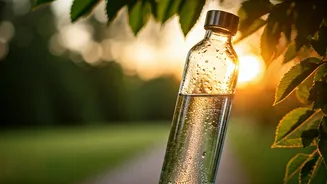
At its core, the hydration challenge is simple: participants commit to drinking a large, specific amount of water every day for a set period, usually 30 days. The most common target is one gallon (about 3.78 litres). The trend is heavily documented on social
media platforms like TikTok and Instagram, where users post photos of their motivational water bottles marked with times of day, share progress updates, and celebrate completing their daily goal. It turns a mundane necessity into a public, trackable achievement.
The Appeal of a Gamified Goal
Why has this trend become so popular, especially during India's scorching summers? Part of the appeal is its gamified nature. Having a clear, measurable goal transforms the simple act of drinking water into a game you can win. There's a sense of community, with participants encouraging each other online. Proponents of the challenge often claim a wide range of benefits, from clearer skin and increased energy to weight loss and fewer headaches. In a culture obsessed with wellness and self-improvement, the hydration challenge offers a seemingly simple and accessible path to feeling better.
The Science: How Much Water Do You Really Need?
Here's where the challenge's one-size-fits-all approach gets tricky. While staying hydrated is crucial for everything from organ function to temperature regulation, the idea that everyone needs exactly one gallon of water per day is a myth. Hydration needs are highly individual. They depend on factors like your age, sex, body weight, activity level, and the climate you live in. Someone working in an air-conditioned office has very different needs from a construction worker or an athlete training outdoors in the peak afternoon heat. A better guide than a rigid rule is your own body. The two best indicators are thirst (if you're thirsty, you're already on your way to being dehydrated) and the colour of your urine (pale yellow is ideal; dark yellow means you need more water).
The Hidden Risk of Too Much
Can there be too much of a good thing? When it comes to water, yes. Drinking an excessive amount of water in a short period can lead to a rare but serious condition called hyponatremia, or water intoxication. This occurs when the sodium level in your bloodstream becomes dangerously diluted, causing cells to swell. Symptoms can range from nausea and headaches to confusion and, in severe cases, can be life-threatening. While this is not a common risk for the average healthy person sipping water throughout the day, a challenge that encourages chugging large quantities to 'catch up' can be dangerous, especially for individuals with certain kidney or heart conditions.
A Smarter, Gentler Approach
If the goal is better hydration, there are more effective and safer ways to achieve it than a rigid challenge. Instead of forcing a gallon, focus on consistency. Carry a reusable water bottle and sip throughout the day. Don't forget that you also get water from food. Water-rich fruits and vegetables like watermelon, cucumber, oranges, and strawberries are excellent sources of hydration, especially in the summer. If you're sweating heavily due to heat or exercise, it's important to replenish electrolytes like sodium and potassium, not just water. Coconut water or a balanced electrolyte drink can be more beneficial than plain water in these situations.