






The Old Funding Hurdle
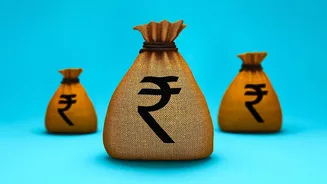
Traditionally, financing a media project in India was a fragmented and often informal process. Producers relied on a patchwork of sources: personal funds, advances from distributors, and loans from private financiers who often charged exorbitant interest
rates, sometimes between 24% and 40%. This system created immense pressure, limited creative risk-taking, and made it difficult for new talent to break through. Even when banks were an option, their rigid lending norms, which often required physical collateral, were ill-suited for the project-based, intangible-asset-driven nature of media production. This challenging environment meant many projects were constrained by budget from the very beginning.
A New Financial Lifeline Emerges
The explosion of Over-the-Top (OTT) platforms and digital content has created a more structured and predictable revenue environment. This shift has paved the way for a new class of financial products specifically designed for the media and entertainment sector. These are not your typical bank loans. Instead, specialized Non-Banking Financial Companies (NBFCs) and other lenders are offering solutions like working capital finance, equipment loans, and invoice discounting. Invoice discounting, for instance, allows a production house to get an immediate cash advance based on confirmed contracts from major streaming platforms or brands. This solves a critical cash flow problem: producers often have to pay crews and vendors months before receiving payment from broadcasters or OTT services.
Who Offers These Digital Media Loans?
A growing ecosystem of lenders is stepping in to fill the financing gap. This includes specialized NBFCs and financial services firms that understand the unique economics of media production. These private players offer tailored solutions, from unsecured working capital loans of ₹25 lakh to larger project financing that can run into crores. On the government side, the National Film Development Corporation (NFDC) has historically played a role in fostering cinema by producing and co-producing films, though it has discontinued its direct loan schemes for production. Instead, it now focuses on equity investment, co-productions, and facilitating growth, sometimes in partnership with banks that may lack the specialized skills to appraise film projects on their own.
The Impact on Content Creation
Access to formal, structured credit is a game-changer for India's creative economy. It allows producers to operate more professionally, manage multiple projects simultaneously, and move away from high-interest, informal debt. For independent filmmakers and digital-first creators, these loans can be the difference between an idea remaining on paper and becoming a fully realised project. With a reliable source of upfront capital, producers can afford better production values, hire top talent, and take on more ambitious stories. This financial stability is particularly crucial in the fast-growing regional content space, which now accounts for a significant share of all films produced in India. The availability of funding empowers creators to meet the soaring demand for diverse content on digital platforms.
Navigating the Fine Print
While these loans offer tremendous benefits, they are not a blank cheque. Lenders require a solid business plan, a detailed project budget, and often a proven track record. Eligibility can depend on the strength of the project's contracts, such as pre-sale agreements with OTT platforms, which act as a form of security. Producers must demonstrate a clear path to profitability, showing that the project's expected return will comfortably exceed the cost of the loan's interest. Financial institutions look for a comprehensive chain of title for the intellectual property and may require completion guarantees to ensure the project is delivered on time and on budget, protecting all stakeholders involved. This professionalizes the process, demanding greater accountability from creators.