







Amsterdam, Netherlands: The Effortless Hub
Amsterdam often feels like it was designed specifically for solo exploration. The city is famously compact and walkable, but its real strength for independent travellers is its multi-layered transport network. Arrival is simple: Schiphol Airport, one
of Europe's best-connected hubs, has a train station directly beneath the terminal. From there, a direct train will have you at Amsterdam Centraal Station in about 17 minutes. Once in the city, the GVB network of trams, buses, and metro lines is incredibly efficient and easy to navigate, with English spoken everywhere. Trams are the backbone of the system, connecting all major neighbourhoods and sights. For longer journeys or day trips to other Dutch cities like Haarlem, the train system is fast and reliable. While cycling is the local way of life, the public transport system is so good that you never feel dependent on a bike or a taxi to explore.
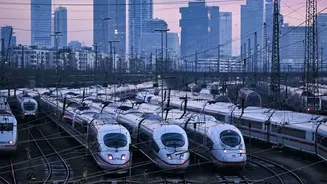
Berlin, Germany: The Sprawling City Made Simple
Berlin's vastness can seem intimidating, but its world-class public transport system makes it surprisingly manageable for a solo traveler. The integrated network of U-Bahn (subway), S-Bahn (light rail), trams, and buses means no part of the city is out of reach. Buying a day pass allows for unlimited hopping between historic sites and diverse neighbourhoods, from the Reichstag to the creative hubs of Kreuzberg. The city’s main station, Berlin Hauptbahnhof, is a central European crossroads, offering high-speed train connections to cities like Prague, Amsterdam, and beyond, making it an excellent base for a multi-city trip. The city’s new Berlin Brandenburg Airport (BER) is connected to the city center by regional trains (FEX, RE, RB) and the S-Bahn, ensuring a smooth transition upon arrival. This efficiency is crucial in a city where the true gems are often found by exploring its different districts.
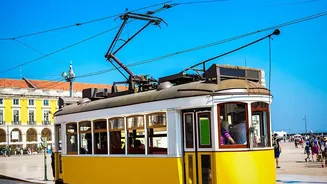
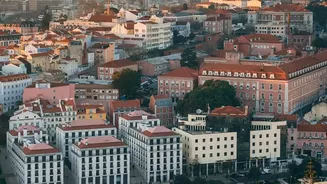
Lisbon, Portugal: Charm Connected by Rail and Tram
Lisbon offers a captivating blend of historic charm and modern convenience, making it a top choice for solo travellers. The city is famously hilly, but a network of vintage trams, funiculars, buses, and a clean metro system makes navigation easy and even scenic. The iconic Tram 28, while popular, is part of a wider, functional network that connects key districts. Lisbon’s Humberto Delgado Airport is conveniently close to the city, with a direct Metro line that can get you into the centre in about 25 minutes. For day trips, the train system is a major asset. Regular commuter trains depart from central stations like Rossio and Cais do Sodré, taking you to the palaces of Sintra or the beaches of Cascais in under an hour, offering a perfect escape from the city. The affordability and ease of this network add immense value to a solo trip.
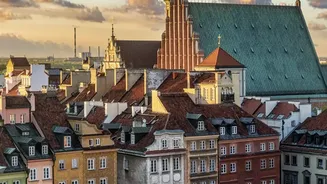
Prague, Czech Republic: The Walkable Core with Wide Connections
Prague's fairy-tale beauty is concentrated in a historic core that is wonderfully walkable, but its public transport prowess makes it even more appealing for solo adventurers. The city boasts a dense and affordable system of trams and metro lines that make it effortless to travel from the castle district to the Old Town and beyond. A day pass offers excellent value for unlimited travel. Prague is consistently ranked as one of Europe’s safest and best-value cities for solo travellers. Its strategic location in Central Europe is another huge advantage. The main train station, Praha hlavní nádraží, is a hub for international routes, making it easy to plan onward journeys to Vienna, Berlin, or Budapest. This combination of a compact, beautiful centre and excellent external links provides the perfect balance of deep immersion and regional exploration for anyone travelling alone.