



What Is a Planetary Alignment?
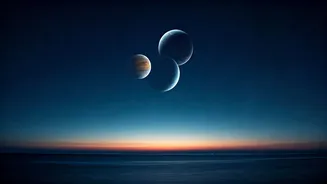
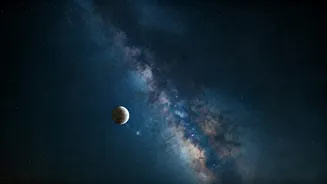
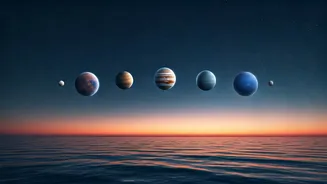
First, let's clear up a common misconception. When we talk about a planetary 'alignment' or 'conjunction', the planets aren't actually forming a perfect straight line in space. That would be an impossibly rare event. Instead, this is a beautiful illusion
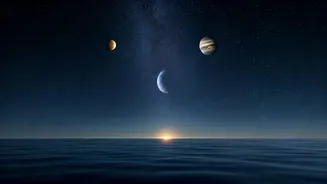
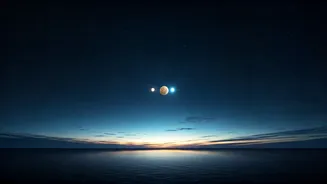
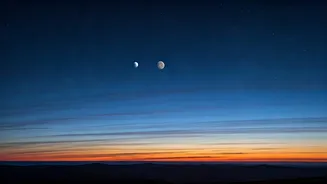
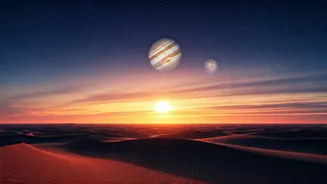
created by our perspective here on Earth. As the planets orbit the Sun at different speeds and on different paths, their positions in our sky constantly change. An alignment occurs when, from our viewpoint, several planets appear to gather closely in the same small patch of the night sky. It's a line-of-sight phenomenon that transforms the celestial dome into a dynamic theatre.
Meet the Stars of the Show
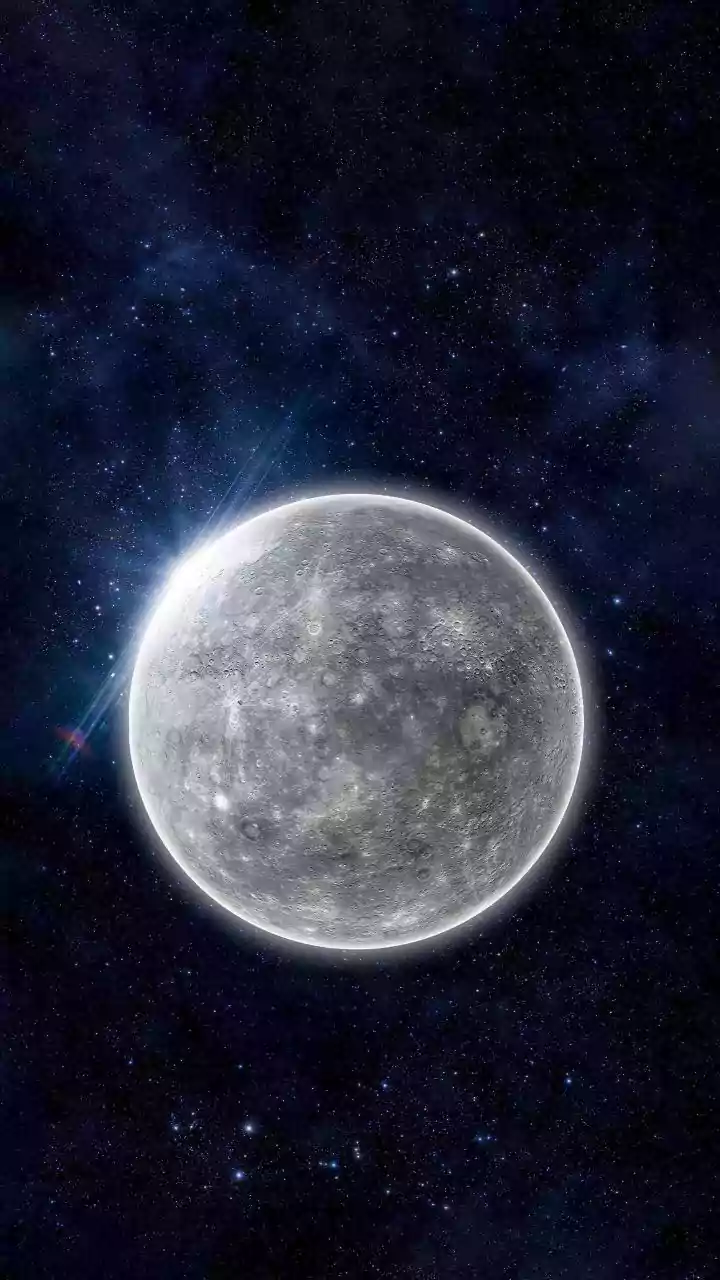
This particular gathering features three fascinating worlds. The brightest of the trio will be Venus. Often called the 'Evening Star' or 'Morning Star', Venus is shrouded in thick, toxic clouds that make it the hottest planet in our solar system. It shines with a brilliant, steady white light. Not far away is Jupiter, the king of planets. Even from hundreds of millions of kilometres away, this gas giant is one of the brightest objects in our night sky, outshining all the stars. The third and most challenging to spot is Mercury. As the closest planet to the Sun, it never strays far from the Sun's glare in our sky, making it visible only for short periods during twilight. Spotting elusive Mercury is a rewarding achievement for any sky-watcher.
When and Where to Look From India
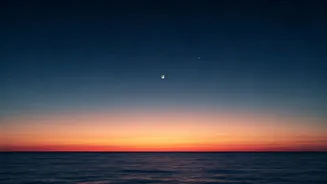
This celestial spectacle is best viewed in the western sky. The key is timing. You’ll want to start looking about 30 to 45 minutes after the sun has fully set. This is the 'blue hour', when the sky is dark enough for the planets to pop out, but before they sink below the horizon. The viewing window is relatively short, perhaps only lasting for an hour, so don't delay. The exact orientation of the planets will change slightly each evening as they continue their cosmic dance. You don't need to be in a specific city; this event is visible across India, provided you have a clear view to the west.
How to Spot Each Planet
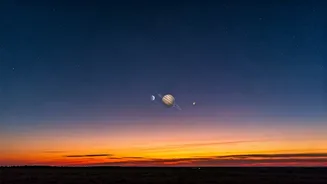
Start by finding Venus. You can't miss it; it will be the most dazzling point of light in the deepening twilight, looking like an airplane's landing light that isn't moving. Once you've locked onto Venus, look for Jupiter nearby. It will be the second-brightest object in the vicinity. The trickiest one is Mercury. It will be much fainter and positioned closest to the horizon. Since it's bathed in the remnant glow of sunset, it can be easily missed. Scan the area just above the horizon, below the Venus-Jupiter pair. A good pair of binoculars can be a great help in pulling Mercury out from the twilight glow, but all three planets are visible to the naked eye.
Tips for the Best Viewing Experience
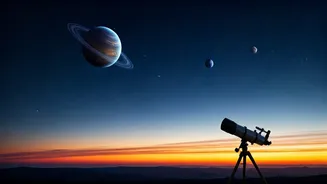
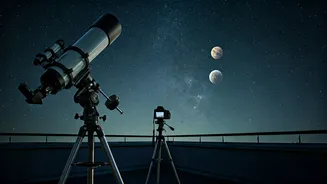
To make the most of this event, find a location with an unobstructed view of the western horizon. Rooftops, balconies facing west, or open fields away from tall buildings and trees are ideal. City lights can wash out fainter objects like Mercury, so if you can get to a darker spot, your view will be significantly better. Give your eyes at least 10-15 minutes to adapt to the darkness; this will make it much easier to spot the planets. While a telescope is not necessary, binoculars will enhance the view, possibly even revealing Jupiter's four largest moons (the Galilean moons) as tiny pinpricks of light flanking the planet. Finally, be patient and enjoy the quiet majesty of the moment.