




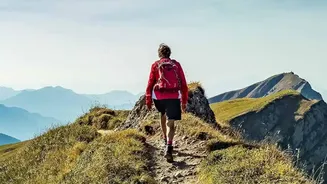
Finding a weekly exercise you love is the secret to long-term heart health. For those drawn to the outdoors, trail hiking and paddleboarding are two fantastic options. But which one is the right fit for your fitness goals and lifestyle?
The Cardiovascular Question
Both trail hiking
and stand-up paddleboarding (SUP) provide excellent cardiovascular workouts. Regular hiking is proven to improve circulation, lower blood pressure, and reduce the risk of heart disease. The varied terrain and inclines of a trail naturally elevate your heart rate, strengthening your cardiovascular system over time. Similarly, stand-up paddleboarding is a recognized form of low-impact cardio that keeps your heart rate elevated. Studies show that even recreational paddling places you firmly in the aerobic training zone, making it a powerful tool for heart health. In terms of calorie burn, hiking on varied terrain can burn between 400 and 600 calories per hour. Casual paddleboarding burns a bit less, around 300 to 430 calories per hour, but this number can quickly climb to over 700 with more vigorous paddling, like touring or racing.
Muscle Engagement: A Full-Body Story
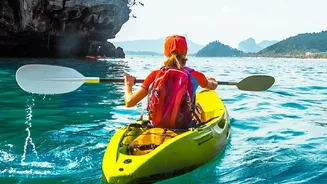
Here, the two activities diverge in focus. Hiking is predominantly a lower-body and core workout. Uphill climbs intensely engage your glutes, quadriceps, hamstrings, and calves, while your core muscles work constantly to keep you stable on uneven ground. Carrying a backpack also brings your back and shoulder muscles into play. Paddleboarding, on the other hand, is a true full-body workout. The act of balancing on water is a constant challenge for your core, engaging your abs and lower back non-stop. Every paddle stroke works your lats, shoulders, and arms, while your legs are perpetually active, making small adjustments to maintain stability on the board. While hiking builds powerful leg strength, paddleboarding develops functional, integrated strength across your entire body.
Accessibility and Cost of Entry
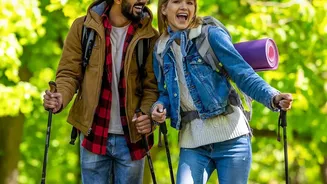
Your local geography will be the biggest factor here. Hiking requires access to trails, whether in local parks, nature reserves, or national forests. In India, this can range from the vast Himalayan ranges to the Western Ghats and smaller local hills. The basic gear for hiking is relatively affordable: a good pair of shoes and comfortable clothing are all you need to start. Costs can increase if you invest in trekking poles, specialized packs, and technical apparel. Paddleboarding requires a body of water—be it a lake, a calm river, or the sea. India's extensive coastline and numerous lakes and backwaters in states like Kerala, Goa, and Karnataka offer many opportunities. The initial investment for paddleboarding is higher. Renting equipment can cost between ₹300 and ₹1,500 per session. Buying your own inflatable SUP package, which includes the board, paddle, and pump, is a larger upfront cost but can be more economical longterm if you plan to go often.
The Mental Health Component
Both activities are celebrated for their mental health benefits, largely due to their connection with nature. Spending time outdoors is known to reduce stress, lower cortisol levels, and improve mood. Hiking on a trail offers a sense of grounding and progress as you cover distance and gain elevation. It can be a meditative experience, focused on the rhythm of your footsteps and breath. Paddleboarding offers a unique 'blue mind' effect—the sense of calm and peace that comes from being on the water. The combination of rhythmic paddling and the constant, gentle challenge of balancing can create a state of flow, where the mind clears and focuses entirely on the present moment.
Which Is More Sustainable for You?
Sustainability in exercise isn't about the environment, but about what you can sustain week after week. Hiking is often easier to schedule spontaneously and can be done in a wider variety of weather conditions. It’s also a very social activity that can be easily shared with friends of varying fitness levels. Paddleboarding is more dependent on calm weather and water conditions. It is a fantastic lowimpact option, making it very gentle on the joints, which can be a deciding factor for many people looking for a lifelong activity. Ultimately, the best exercise is the one you consistently show up for.