







What Exactly Changed With Vietnam's E-Visa?
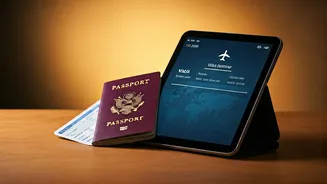
The single biggest change, effective from August 15, 2023, is the validity and flexibility of the e-visa. Previously, Indian passport holders could get a 30-day, single-entry e-visa. This meant your trip was limited to one month, and if you left Vietnam—even
for a day trip to Cambodia—you couldn’t re-enter on the same visa. The new policy blows this limitation out of the water. Now, the e-visa is valid for up to 90 days and allows for multiple entries. This is a fundamental shift that transforms Vietnam from a short-break destination into a potential long-stay base for exploring Southeast Asia.
Why This Is a Game-Changer for Travellers
The move from a 30-day single-entry to a 90-day multiple-entry visa is more than just a numbers game; it represents a new philosophy of travel. For Indian tourists, it means the freedom to plan more ambitious itineraries. You can now explore Vietnam from north to south at a leisurely pace without watching the calendar. The multiple-entry feature is particularly powerful. It allows travellers to use Vietnam as a hub, jetting off to neighbouring countries like Laos, Cambodia, or Thailand and returning without needing a new visa. This flexibility was previously a major logistical headache, but now it’s a seamless part of the travel experience, especially for digital nomads or those on extended holidays.
The 'Hanoi Effect': Unpacking the Search Spikes
The visa announcement triggered an immediate and dramatic surge in online travel searches, and Hanoi is at the epicentre. According to reports from major travel platforms, search interest for Vietnam from the Indian market skyrocketed by over 200% in the weeks following the policy change. Hanoi, the country’s captivating capital, has seen the lion's share of this interest. Why Hanoi? It serves as the perfect gateway to Northern Vietnam's biggest attractions, including the UNESCO World Heritage site of Ha Long Bay and the picturesque mountains of Sapa. Its blend of French colonial architecture, vibrant street food culture, and rich history makes it an irresistible starting point for any Vietnamese adventure.
What This Means for Indian Tourists
For Indian travellers, Vietnam has always been an attractive option due to its affordability, cultural depth, and relatively short flight time. The new visa rules have just made it exponentially more appealing. A 90-day visa removes the pressure of a rushed itinerary, allowing for deeper immersion. You can spend a week just exploring the food scene in Ho Chi Minh City, another week motorbiking the Ha Giang Loop, and still have ample time to relax on the beaches of Phu Quoc or Da Nang. The simplified visa process, combined with the low cost of living, positions Vietnam as a top-tier destination for Indians looking for a long, memorable, and budget-friendly international holiday.
Planning Your Trip: A Few Key Tips
Ready to book your flight? Applying for the new e-visa is straightforward. Be sure to use the official government portal for immigration to avoid third-party scams and inflated fees. The process is entirely online, and you’ll typically receive your e-visa via email within a few business days. When planning, remember that while the visa is valid for 90 days, you will need to specify your intended entry and exit dates in your application. The best time to visit varies by region, but generally, the dry seasons (October to April in the north and south, February to August in the central coast) offer the most pleasant weather for touring.