







Why Monsoon Means More Breakouts
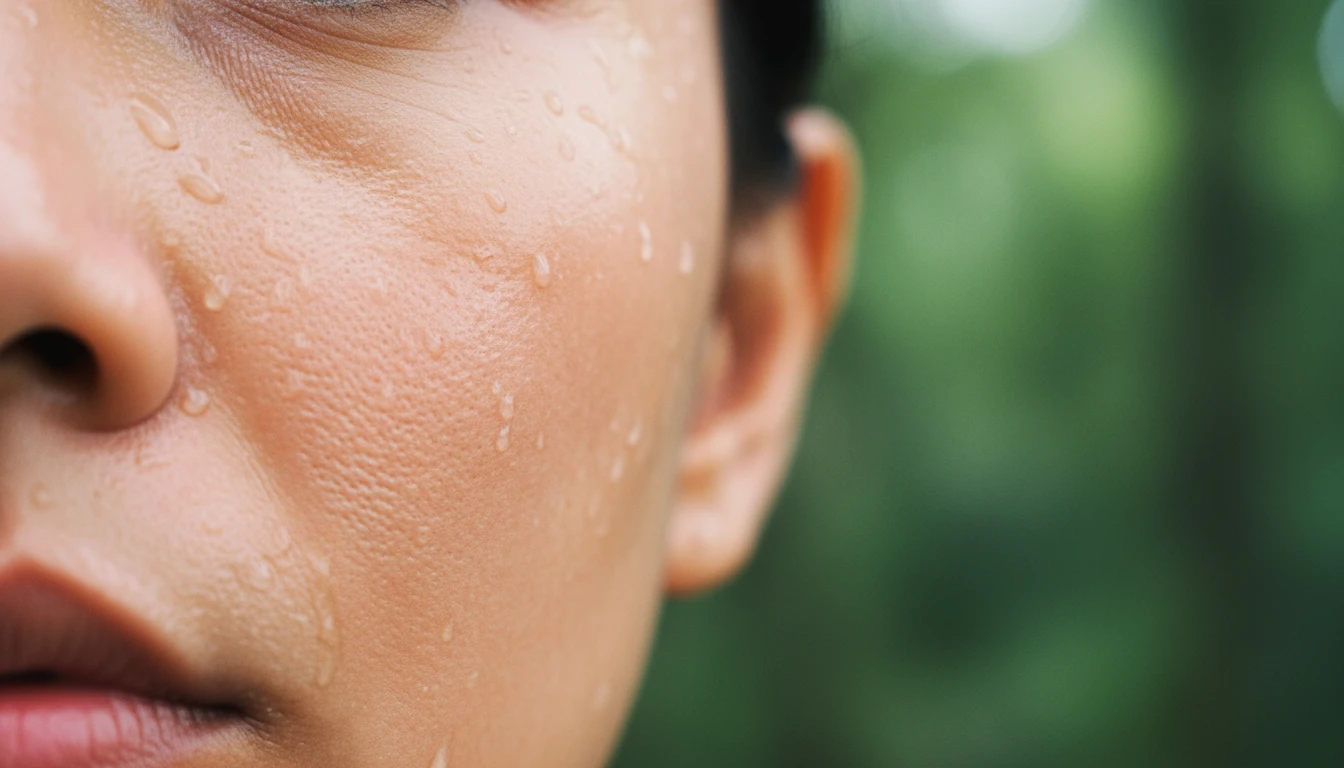
The primary culprit behind rainy season acne is the spike in humidity. High humidity combined with warm temperatures stimulates your skin's sebaceous glands to produce more oil, or sebum. This excess oil can mix with sweat, dirt, and dead skin cells,
creating the perfect environment to clog your pores. This sticky film becomes a breeding ground for bacteria, leading to inflammation, blackheads, and painful pimples on the face, back, and even arms. The key isn't to fight your skin with harsh products, but to gently guide it back to balance.
Cleanse Gently, But Thoroughly
It’s tempting to wash your face repeatedly to combat the greasy feeling, but this can backfire. Over-washing strips the skin of its natural moisture, which can paradoxically trigger even more oil production as your skin tries to compensate. Dermatologists advise cleansing just twice a day with a gentle, pH-balanced, or sulphate-free cleanser. Look for ingredients like salicylic acid, which helps to gently exfoliate and keep pores clear without being overly harsh. This ensures you remove the daily grime and excess oil without disrupting your skin's protective barrier.
Exfoliate, But Don't Overdo It
Exfoliation is crucial during the monsoon to slough off the dead skin cells that contribute to clogged pores. However, moderation is key. Over-exfoliating can damage the skin barrier, leading to irritation and increased sensitivity. Stick to a mild chemical exfoliant (like AHAs or BHAs) or a very gentle scrub just one to two times per week. This helps keep your skin breathing and bright without causing unnecessary stress.
Switch to a Lightweight Moisturiser
One of the biggest myths is that oily, acne-prone skin doesn't need a moisturiser, especially in humid weather. The opposite is true. Skipping this step can dehydrate your skin, prompting it to produce more oil. The solution is to switch from heavy creams to lightweight, non-comedogenic (pore-clogging) formulas. Gel-based or water-based moisturisers containing ingredients like hyaluronic acid or niacinamide provide essential hydration without feeling sticky or heavy. This keeps your skin balanced and supple.
Never Skip Sunscreen, Even on Cloudy Days
Don't let the cloud cover fool you; up to 80% of the sun's harmful UV rays can penetrate through them. Sunscreen is a non-negotiable step every single day to protect against sun damage, premature ageing, and pigmentation. During the monsoon, opt for a lightweight, non-greasy, or gel-based sunscreen with an SPF of 30 or higher. Look for formulas labelled "non-comedogenic" to ensure they won't contribute to clogged pores while providing the protection your skin needs.
Go Minimal with Makeup
Heavy makeup can feel suffocating in humid weather and is more likely to mix with sweat and oil, clogging your pores. The monsoon season is the perfect time to embrace a more minimal makeup routine. If you do wear makeup, choose lightweight and breathable products, and always look for the non-comedogenic label. At the end of the day, make sure you remove everything thoroughly. A double cleanse, starting with an oil-based or micellar cleanser followed by your regular face wash, can be particularly effective at breaking down makeup and sunscreen.
Pay Attention to Your Diet and Hydration
What you consume can also impact your skin. The monsoon often brings cravings for fried, oily foods, but these can sometimes contribute to breakouts. While enjoying your favourite treats in moderation is fine, try to balance them with a diet rich in fruits and vegetables. Staying hydrated from the inside out is also crucial. Drinking plenty of water helps flush out toxins and maintain your skin's elasticity and overall health.