





For centuries, India's east coast has borne the brunt of cyclonic fury, with the Bay of Bengal known as a hotbed for storms. But a distinct and worrying shift is underway. The once-cooler Arabian Sea is heating up, and with it comes a new era of risk.
A Tale of Two Seas
India's relationship with cyclones has long been defined by a geographical divide. On one side is the Bay of Bengal, a warm, wide, and relatively shallow basin that has historically been an incubator for tropical storms. This region accounts for roughly four times as many cyclones as its western counterpart. States like Odisha, Andhra Pradesh, and West Bengal have, over generations, developed robust disaster management protocols forged through repeated encounters with devastating storms. On the other side, the Arabian Sea has traditionally been a much calmer basin. Its cooler sea surface temperatures and atmospheric conditions were less conducive to the formation and intensification of major cyclones. While storms did form, they were typically less frequent and less powerful, often making landfall in Oman or Yemen, or weakening before reaching India's west coast.
The Unsettling New Reality
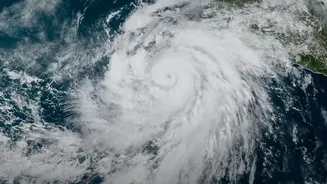
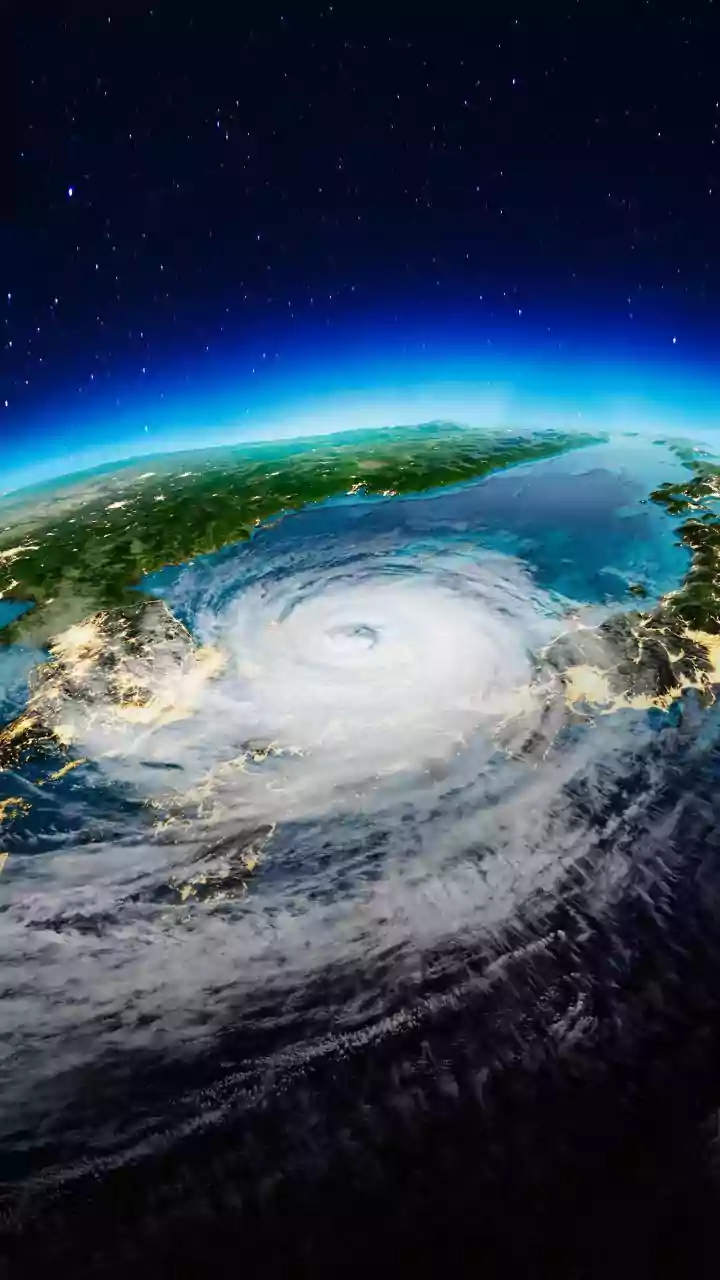
That historical balance is now changing. Climate scientists and meteorologists have observed a clear and statistically significant increase in both the frequency and intensity of cyclones in the Arabian Sea over the past two decades. Storms that would have once dissipated are now maintaining their strength and even undergoing 'rapid intensification'—a process where a cyclone's wind speed increases dramatically in a very short period. Recent powerful cyclones like Tauktae and Biparjoy, which battered India's western coast, are prime examples of this new trend. They represent a fundamental shift in regional weather patterns, turning what was once considered a less vulnerable coastline into a new frontline for extreme weather events.
The Science of Warming Waters
The primary driver behind this change is rising ocean temperatures, a direct consequence of global climate change. Tropical cyclones are like heat engines; they draw their energy from warm ocean water. The Arabian Sea is warming at a faster rate than most other ocean basins. As the sea surface temperature consistently stays above the 26–27 degrees Celsius threshold needed for cyclone formation, it provides the fuel for storms to grow stronger and last longer. Furthermore, changes in wind shear patterns, which can either tear a storm apart or allow it to strengthen, are also contributing. Scientific studies increasingly link these altered conditions to anthropogenic warming, suggesting this is not a temporary anomaly but a long-term climatic shift.
A New Geography of Risk
This evolving threat landscape poses a significant challenge for India's west coast. States like Gujarat and Maharashtra, home to dense population centers and critical economic infrastructure like ports and industrial complexes, are now facing risks they were not historically built to withstand. While disaster management agencies have improved their forecasting and evacuation capabilities, the societal muscle memory for handling super cyclones is less developed on the west coast compared to the east. Urban planning, building codes, and coastal ecosystem management in these regions must now be re-evaluated in the context of more frequent and powerful storms. The 'new normal' requires a new level of preparedness.