


Respect the Altitude: Acclimatisation is Non-Negotiable
Spiti Valley's average altitude ranges from 12,500 to over 15,000 feet, where the air contains significantly less oxygen than at sea level. Rushing your ascent can lead to Acute Mountain Sickness (AMS), a condition with symptoms like headaches, nausea,
dizziness, and fatigue. In severe cases, it can be dangerous. Acclimatisation is the process of letting your body slowly adjust to these lower oxygen levels, and it is the most critical part of your trip planning. Physical fitness does not guarantee immunity; everyone needs to take it slow.
The Slow Ascent: Your Best Defence Against AMS
The golden rule of high-altitude travel is to ascend gradually. The Shimla-Kaza route is highly recommended over the Manali-Kaza route because it involves a more gradual increase in elevation. Plan your itinerary to include overnight stays at intermediate altitudes. For instance, spending a night in Narkanda (around 8,000 ft) or Kalpa (around 9,700 ft) before proceeding to Kaza (around 12,500 ft) helps your body adapt. Once you arrive in Kaza, rest for at least 24-48 hours. Avoid any strenuous activity, including long walks, during this initial period.
Listen to Your Body: Hydrate, Eat Right, and Rest
Staying hydrated is crucial. Aim to drink 3-4 litres of water daily. Avoid alcohol and smoking, especially during the first few days, as they can interfere with acclimatisation and increase dehydration. Opt for light, high-carbohydrate meals which are easier for your body to metabolise at altitude. Rest is just as important as hydration and diet. Ensure you get adequate sleep to allow your body to recover and adjust. If you experience persistent symptoms of AMS, do not ascend further. Rest at your current altitude or, if symptoms worsen, descend immediately.
Choosing Your Astronomy Gear: Portability and Performance
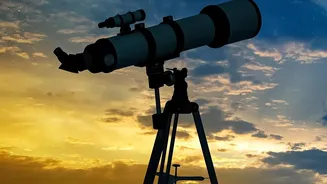
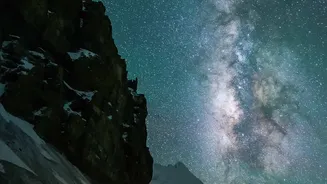
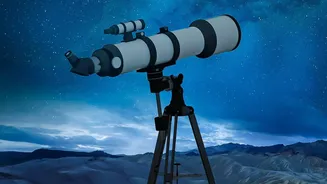
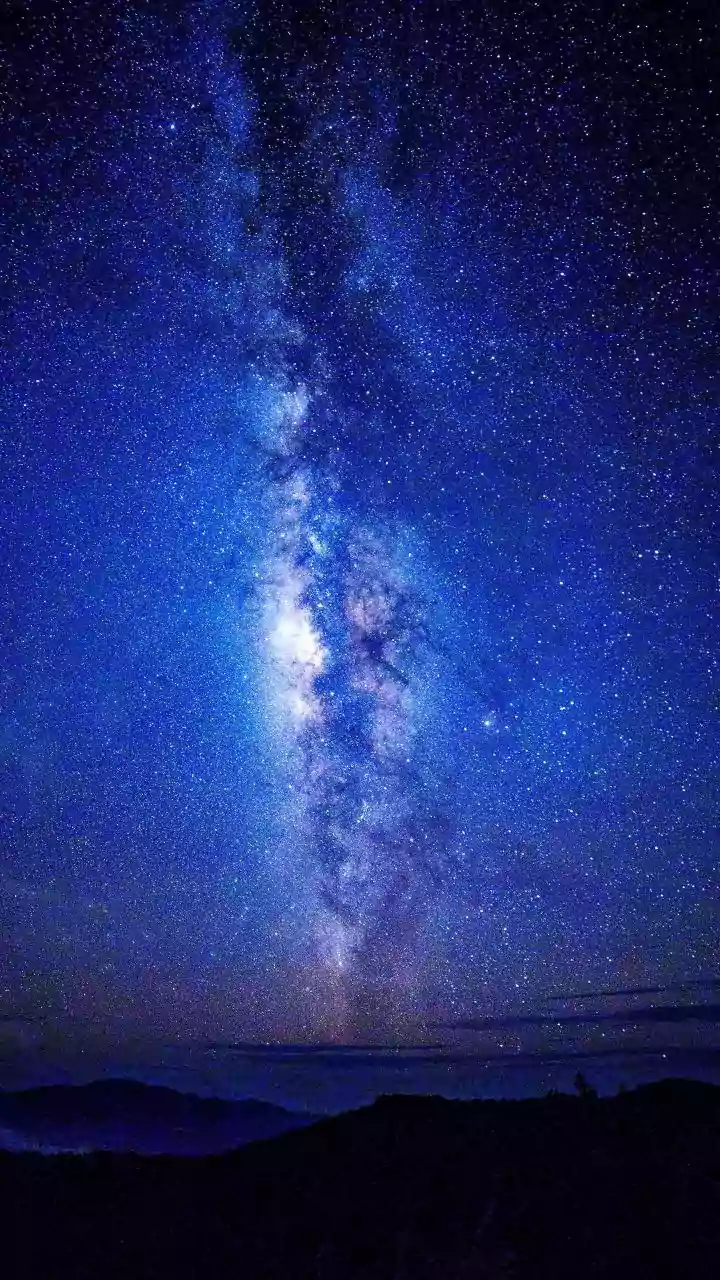
You don't necessarily need a large, expensive telescope to enjoy Spiti's skies; the Milky Way is visible to the naked eye. Good quality binoculars (like 10x50s) are an excellent, portable option for observing star clusters and the moon. For those serious about astrophotography, a DSLR or mirrorless camera with a wide, fast lens and a sturdy tripod are essential. Smart telescopes are a modern, lightweight alternative that can fit in cabin baggage. Regardless of your choice, remember that anything you bring must be carried, so prioritise portability. Always carry sensitive optical equipment in your cabin luggage, not checked bags.
Battling the Cold: Protecting Your Equipment
Night temperatures in Spiti can plummet, even in summer. This cold is not just a challenge for you, but for your gear too. Batteries drain extremely fast in low temperatures, so bring multiple spares and keep them warm in an inside pocket of your jacket. Condensation is another major risk. When bringing a cold telescope or camera into a warm room, seal it in a plastic bag first and let it warm up gradually to prevent moisture from forming on and inside the optics. Dew heaters are a vital accessory for any serious observer to keep lenses clear.
Essential Accessories and Stargazing Etiquette
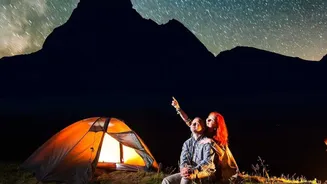
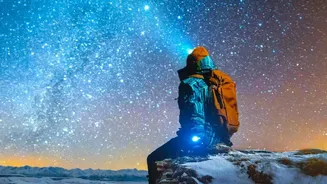
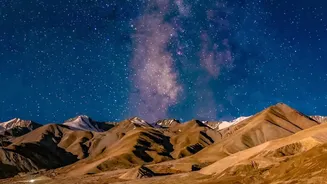
A few small items can make a huge difference. A headlamp with a red-light mode is non-negotiable; white light ruins your night vision and that of everyone around you. Plan your trip around the new moon for the darkest skies, as a full moon can wash out all but the brightest stars. The best viewing spots are away from the few lights of villages like Kaza. Remote locations like Langza, Komic, and Kibber offer pristine, Bortle 1 class skies. Always be respectful of the quiet, dark environment that makes Spiti so special.