
The Gardener's Age-Old Dilemma
Keeping plants thriving on a balcony is a unique challenge. Unlike a sprawling garden, pots and containers create a limited environment where conditions can change rapidly. Intense sun, gusty winds, and fluctuating temperatures mean the soil can go from
drenched to bone-dry in a matter of hours. For decades, the primary tool for measuring this has been the humble finger-poke test. While simple, it’s far from precise. The surface might feel dry while the roots below are waterlogged, a leading cause of root rot. Or, the reverse could be true, leaving your plants thirsty despite your best intentions. This constant guessing game is the number one reason many well-meaning gardeners struggle to keep their potted plants alive and flourishing.
Today's Smart Sensor Solutions
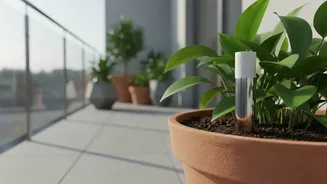
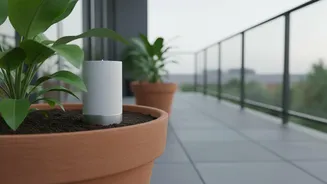
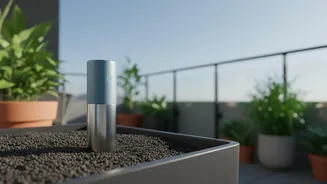
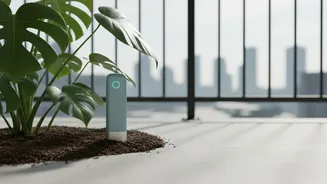
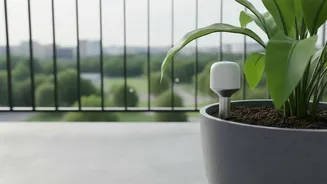
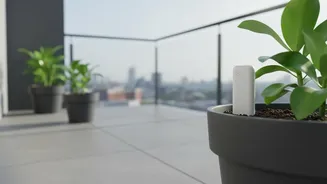
Technology has already offered a significant upgrade with the advent of smart soil sensors. You may have seen these small probes available at garden centres or online. Most current models use capacitive or resistive technology to measure the volumetric water content in the soil. They give you a straightforward reading—often on a connected smartphone app—of how moist the soil is. Many can also track temperature and light levels. These devices are a game-changer, allowing gardeners to create data-driven watering schedules instead of relying on instinct alone. By providing a clear picture of what’s happening below the surface, they help prevent the common mistakes of overwatering and underwatering, leading to healthier plants and conserving water.
Listening to the Life in the Soil
While current sensors measure moisture, the next frontier in gardening tech aims to measure life itself. Healthy soil is not just dirt and water; it's a bustling ecosystem teeming with billions of microorganisms. These bacteria and fungi are the true engines of the soil, breaking down organic matter, cycling nutrients, and forming a symbiotic relationship with plant roots. The health and activity of this microbial community are the most accurate indicators of a plant's overall well-being. A thriving microbial population means a healthy plant. A struggling one signals an underlying problem long before the leaves start to droop or turn yellow.
The Future: Microbial Sensors
This brings us to the exciting technology in the headline: microbial soil sensors. Currently in advanced stages of research and development, these devices go beyond simple moisture readings. Instead of just measuring a physical property of the soil, they are designed to listen to the biological activity within it. One promising approach uses bioelectrochemical technology, where sensors detect the faint electrical signals produced by microbes as they live, eat, and multiply. As soil moisture and nutrient levels change, the activity of these microbes changes, and the sensor picks up this fluctuation in real-time. Other experimental designs even use biodegradable materials that are 'eaten' by microbes, with the rate of consumption providing data on soil health.
From the Lab to Your Balcony
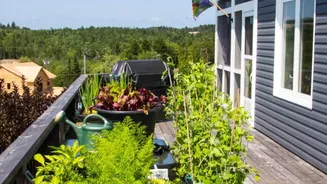
What does this futuristic tech mean for the average person with a few tulsi and tomato plants on their balcony? It means moving from simple plant care to holistic ecosystem management, even on a small scale. A microbial sensor could one day tell you not just that your soil is dry, but also that the microbial community is becoming less active, suggesting it's time to add compost or other organic nutrients. These sensors could provide a complete health report, helping you understand your plant's needs on a much deeper level. Some research is even exploring how to use the soil microbes themselves to power these biodegradable sensors, creating a truly sustainable, closed-loop system.