




The Anthem as a Battle Cry
Long before the first whistle, the French make their presence known with “La Marseillaise.” Unlike many national anthems that are sung with quiet reverence, the French version is a thunderous call to arms. Its revolutionary lyrics, originally written
in 1792, speak of fighting tyranny and watering fields with the blood of enemies. In a football stadium, this history is transformed. It’s no longer about a literal battle, but about the symbolic struggle on the pitch. Sung with fierce pride by players and fans alike, it sets an intimidating, passionate tone, reminding everyone that for France, football isn't just a game—it’s an expression of national strength and unity.
The Power of “Allez Les Bleus!”
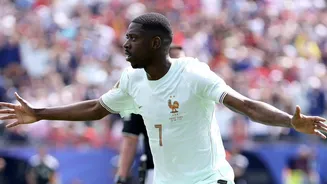
If you know only one French phrase, it’s probably this one. “Allez Les Bleus!” (“Go The Blues!”) is the simple, powerful, and endlessly repeated mantra of French support. It’s shouted in stadiums, chanted in Parisian bars, and scrawled on banners. The name “Les Bleus” refers to the iconic blue jerseys worn by the national team, a colour deeply associated with French royalty and revolution. The chant’s power lies in its simplicity. It’s a rhythmic, unifying cry that anyone can join, from a lifelong supporter to a casual viewer, creating an instant sense of shared purpose. It’s the sonic wallpaper of any match involving France.
The Proud Gallic Rooster
You'll see it everywhere: on jerseys, scarves, and giant flags. The Gallic Rooster, or *coq gaulois*, is one of France’s most beloved unofficial symbols. Its origins as a national emblem are a historical pun—the Latin word for rooster, *gallus*, is the same as the word for an inhabitant of Gaul. While Napoleon dismissed it as a “weak” animal, the rooster came to symbolise French virtues: pride, vigilance, and a feisty spirit. For fans, it represents a team that may not always be the biggest or strongest, but is proud, courageous, and always ready to fight. It’s a perfect mascot for a nation that values flair and spirit as much as victory.
A Tricolour Human Tapestry
French fandom is a visual spectacle. The *bleu, blanc, et rouge* of the national flag are not just waved, but worn. Faces are painted in perfect tricolour stripes, oversized novelty berets are donned with a sense of irony and fun, and massive flags are passed over the heads of spectators, creating a moving tapestry of national colours. The iconic blue jersey is, of course, the centrepiece of this uniform. This visual unity is more than just decoration; it’s a powerful statement of collective identity, turning thousands of individual fans into a single, overwhelming wave of support that’s impossible for players or opponents to ignore.
The Modern Fan Orchestra
While spontaneous passion is key, modern French fandom is also highly organised. The most prominent group is the “Irrésistibles Français” (The French Irresistibles). Founded in 2010, they act as the team’s official support group, a dedicated band of superfans who travel with the team to orchestrate the stadium’s atmosphere. They are the ones leading complex chants, unveiling massive pre-game displays (known as tifos), and ensuring the energy never dips, even when the team is down. They represent a new generation of fan culture, blending traditional passion with meticulous organisation to provide a constant, 90-minute-long soundtrack for Les Bleus.
The Ultimate Celebration: The Champs-Élysées
This tradition is reserved for the ultimate triumph: winning. When France wins a major tournament, the entire country knows where to go. The Champs-Élysées in Paris becomes the epicentre of a nationwide party. Hundreds of thousands of people flood the famous avenue, climbing streetlights, waving flags from car windows, and celebrating under the watch of the Arc de Triomphe. This is not just a party; it’s a pilgrimage. The avenue, so often associated with military parades and state power, is reclaimed by the people in a joyous, chaotic, and unforgettable display of national pride. It’s the dream every French fan holds onto through every minute of the tournament.