

Choose Your Pot Wisely
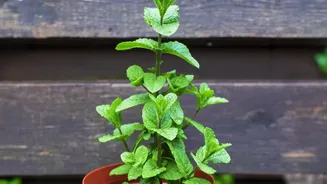
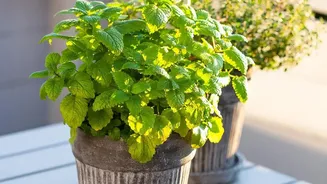
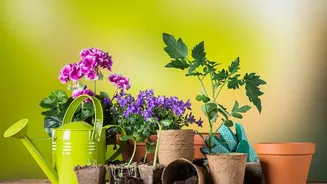
The single most important decision when growing mint is to use a container. Mint is a famously aggressive grower, and its roots, called runners, will quickly spread and take over a garden bed if not contained. Planting it in a pot keeps it manageable.
A container at least 10 to 12 inches in diameter is a great starting point, ensuring it has enough space. Make sure any pot you choose has adequate drainage holes at the bottom, as mint likes moist soil but can suffer from root rot if it becomes waterlogged.
The Right Soil Mix
While the headline holds true that basic soil is sufficient, the ideal medium is a well-draining potting mix. Most standard, all-purpose potting soils available at garden centres will work perfectly. Mint thrives in soil that is rich in organic matter. If you want to give your plant an extra boost, you can mix in some compost, which helps retain moisture and adds nutrients. The key is to use a soil that holds moisture without becoming a swamp.
Getting Started with a Plant
Although you can grow mint from seed, the easiest and most reliable method is to start with a young plant or a cutting from an existing one. Since mint varieties cross-pollinate easily, starting with a plant ensures you get the specific flavour profile you want, whether it's spearmint, peppermint, or even chocolate mint. When potting your new plant, place it at the same depth it was in its original container and fill the pot with your soil mix, pressing gently to ensure good stability.
Sunlight and Water Needs
Mint is quite adaptable when it comes to sunlight. It performs best with about four to six hours of direct sun per day, ideally with some shade during the hottest part of the afternoon. Unlike many other herbs that demand full, intense sun, mint appreciates a bit of a break from the heat. When it comes to watering, consistency is key. Mint is a thirsty plant and does not like to dry out completely. A good rule is to water whenever the top inch of soil feels dry to the touch. For a potted plant, this could mean watering every two to three days, or even daily in very hot weather.
Harvesting for Bushier Growth
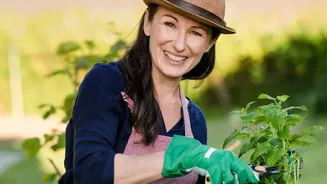
Regularly harvesting your mint is the secret to a full, bushy plant. Instead of plucking individual leaves, it's best to cut whole stems using sharp scissors or shears. Make your cut just above a point where a pair of leaves meets the stem. This encourages the plant to branch out from that node, resulting in two new stems and a much fuller appearance. Frequent trimming not only provides you with fresh mint but also prevents the plant from becoming long and 'leggy'. You can start harvesting as soon as the plant is established and has several stems that are at least six inches long.
Simple Long-Term Care
Mint is relatively low-maintenance, but a few simple steps will keep it thriving. If your plant begins to look crowded or dies out in the center after a couple of years, it's time to repot. You can divide the plant by cutting the root ball into sections and replanting them in fresh soil. While not strictly necessary, you can feed your potted mint with a balanced, water-soluble fertilizer every four to six weeks during the growing season, especially after a large harvest, to replenish its nutrients.