







Beyond the Restaurant Menu
For years, the story of Indian food delivery has been one of endless choice. Apps like Zomato and Swiggy brought every conceivable cuisine to our doorsteps. Yet, a growing number of young professionals are scrolling past biryanis and pizzas, seeking something
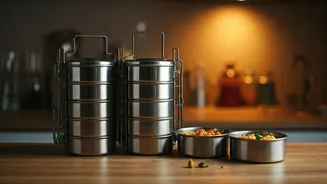
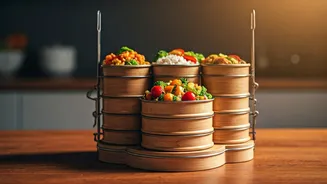
far simpler: 'ghar ka khana'. This isn't about restaurant food. This is about dal that tastes like your mother’s, sabzi without excessive oil, and soft, unassuming rotis. Home-style tiffin services, a modern evolution of the classic dabbawala system, are booming. They promise not culinary adventure, but comforting predictability—a daily meal that nourishes both body and soul without the richness and expense of eating out constantly.
The Potent Flavour of Nostalgia
The core ingredient in this trend is nostalgia. For millions of professionals who have migrated from their hometowns to metros like Bengaluru, Mumbai, or Gurgaon, the daily grind can create a profound sense of displacement. Long work hours, tiny apartments, and the fast pace of city life leave little room for elaborate cooking. This is where the tiffin comes in. It’s more than just food; it’s a tangible link to home. Every bite of a familiar dish can transport them back to their family’s dining table, offering a moment of emotional respite in an otherwise hectic day. The demand is not for complex recipes but for the comforting simplicity of meals they grew up with, a taste that reassures and grounds them.
Health as the New Wealth
While nostalgia pulls at the heartstrings, practicality and health concerns seal the deal. The post-pandemic era has amplified wellness consciousness. Many professionals who spent months working from home and eating home-cooked food found themselves feeling healthier. As they returned to the office, the prospect of relying on rich, greasy, and often unpredictable restaurant food daily became unappealing. Tiffin services fill this gap perfectly. They are perceived as a healthier, more balanced alternative. Menus are often simple, centered on seasonal vegetables, lentils, and whole grains. They offer the consistency of a home kitchen—less oil, less masala, and portion sizes that are sensible rather than indulgent.
The Rise of the Home-Chef Economy
This demand has fuelled a new wave of entrepreneurs. Unlike the traditional, male-dominated dabbawala networks, this new ecosystem is powered by home chefs, a significant number of whom are women. Operating from their own kitchens, they leverage social media platforms like Instagram and WhatsApp to advertise their weekly menus and manage orders. It’s a hyper-local, community-driven business model. These entrepreneurs build a loyal customer base not through aggressive marketing, but through quality, consistency, and a personal touch. They understand the nuances of the 'home-style' flavour profile their customers are craving because it’s the same food they cook for their own families.
A Modern Twist on Tradition
This trend isn't a rejection of modernity but a reinterpretation of it. It combines the age-old comfort of a home-cooked meal with the convenience of modern logistics. Customers subscribe via an app or a simple message, pay online, and receive a neatly packed dabba at their office or home. It’s the perfect synthesis of tradition and technology. In a world that is increasingly globalised and fast-paced, the surge in home-style tiffin deliveries reveals a deep-seated human need: the desire to feel connected, cared for, and rooted, one simple, wholesome meal at a time.