


Munsiyari, Uttarakhand: The Himalayan Gateway
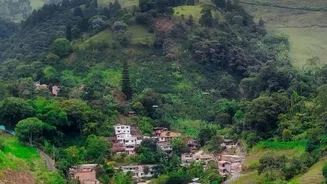
Often called 'The Little Switzerland of India', Munsiyari is a small town in Pithoragarh district that offers breathtaking, up-close views of the snow-clad Panchachuli peaks. Situated at an altitude of 2,200 metres, it serves as the base for several high-altitude
treks to glaciers like Milam and Ralam. However, you don't need to be a seasoned trekker to soak in its charm. The town itself is perfect for those who prefer silence, long walks through rhododendron forests, and a pace of life dictated by nature, not schedules. Unlike commercialised hill stations, Munsiyari thrives on locally-owned homestays, offering an authentic Kumaoni experience.
Ziro, Arunachal Pradesh: Land of the Apatani
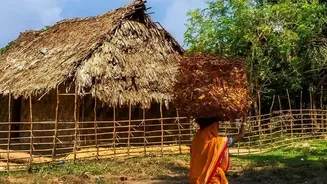
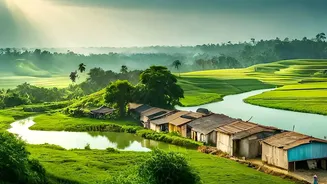
A UNESCO World Heritage-nominated site, Ziro Valley is a tranquil paradise known for its unique cultural landscape. Home to the Apatani tribe, the valley is a stunning mosaic of lush paddy-cum-fish farms, pine-covered hills, and traditional bamboo houses. While it hosts the famous Ziro Music Festival in September, the valley is otherwise a sanctuary of calm. It’s a place for slow travel, where you can walk through villages like Hong and Hari, learn about the Apatani's sustainable lifestyle, and enjoy the serene beauty that feels worlds away from modern chaos.
Nako, Himachal Pradesh: A Sacred High-Altitude Escape
Perched at an altitude of over 3,600 metres in Kinnaur, Nako is a small, peaceful village that feels like a gateway to the cold desert of Spiti. The village is built around the serene Nako Lake, which is fringed by willow and poplar trees. Life here moves at a slow pace, centred around the ancient Nako Monastery, which dates back to 1025 AD. With its traditional mud-stone houses, Buddhist chortens, and stark, dramatic mountain scenery, Nako offers a profound sense of tranquility for travellers on the Kinnaur-Spiti circuit who choose to stay a while instead of just passing through.
Turtuk, Ladakh: A Glimpse of Baltistan
One of the northernmost villages in India, Turtuk was opened to tourists only in 2010. Located in the lower Shyok Valley of Nubra, it offers a cultural experience unlike the rest of Ladakh. This is a predominantly Balti Muslim village, lush with apricot orchards and fields of buckwheat, creating a green oasis against the barren Karakoram mountains. Walking through its narrow stone lanes, visiting a traditional Balti home, and experiencing the warm hospitality of its people offers a unique insight into a culture preserved by decades of isolation. It's a place for those who want slow, meaningful travel.
Marayoor, Kerala: The Land of Sandalwood
About 40 km from the bustling town of Munnar lies Marayoor, the only place in Kerala where sandalwood trees grow naturally. This scenic village is a treasure trove of history and nature, featuring prehistoric dolmens and ancient rock paintings that date back to the Stone Age. Beyond its fragrant forests, Marayoor is dotted with vast sugarcane farms where traditional jaggery is made. It’s a place steeped in history and natural beauty, offering a quiet alternative to the more crowded tourist spots in the Idukku district.
Vattakanal, Tamil Nadu: The Quiet Cousin of Kodaikanal
Just a few kilometres from Kodaikanal, but a world away in atmosphere, is the misty hamlet of Vattakanal, or 'Vatta' as regulars call it. This small village, often cloaked in clouds, clings to the edge of the Palani Hills and offers a laid-back vibe for backpackers and nature lovers. It’s the perfect base for tranquil walks to stunning viewpoints like Dolphin's Nose and Echo Rock, or for simply relaxing in a quiet café with a view of the valley below. Vattakanal provides the cool mountain air and forest trails without the commercial hustle of its famous neighbour.
Majuli, Assam: The World's Largest River Island
Nestled in the Brahmaputra River, Majuli is a geographical and cultural wonder. As the world's largest inhabited river island, life here moves to the rhythm of the river. Majuli has been the hub of Assamese neo-Vaishnavite culture for centuries, and its Satras (monasteries) are living centres of art, music, and dance. Exploring the island on a bicycle, visiting the villages of the Mishing tribe, and witnessing the unique mask-making and pottery traditions offers a truly immersive and peaceful experience.
Khimsar, Rajasthan: A Desert Oasis of Calm
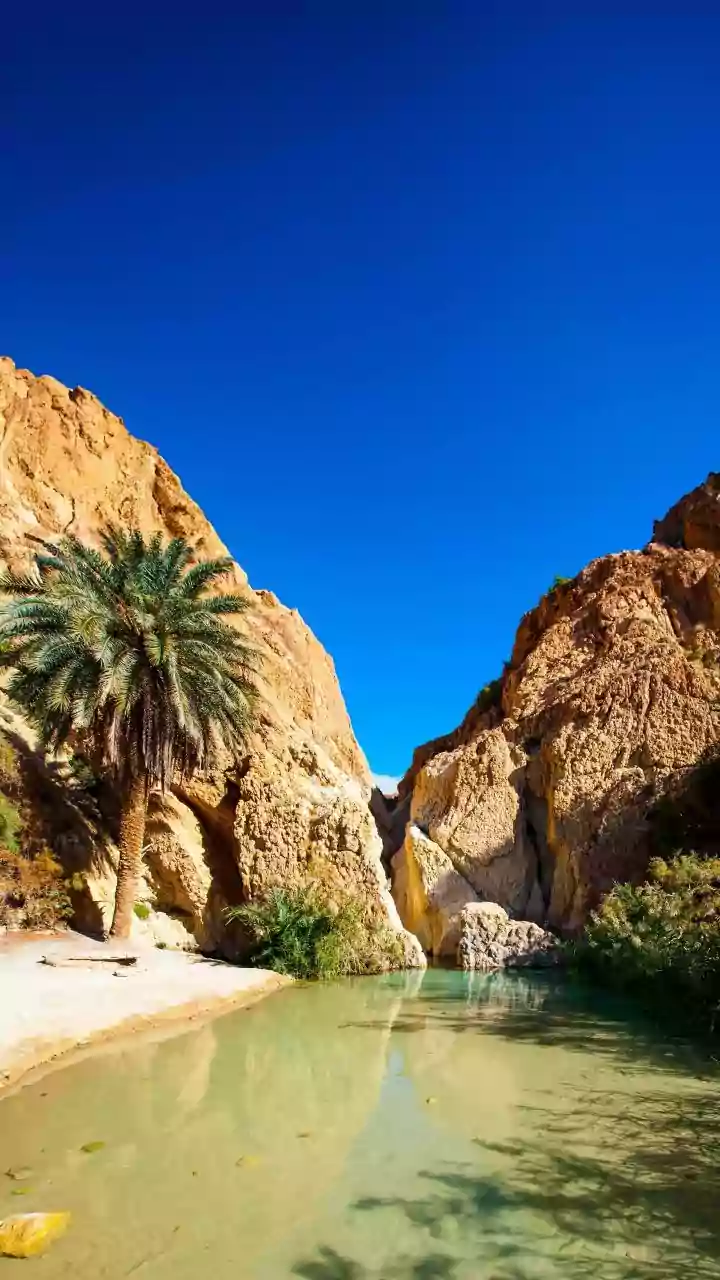
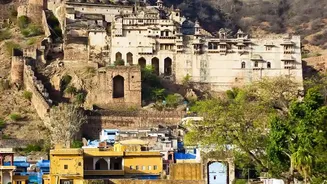
For a different kind of peace, Khimsar village offers a tranquil escape into the Thar Desert. Located between Jodhpur and Nagaur, this village is built around a 16th-century fort, part of which is still inhabited by the royal family. Just a short drive away lies the Khimsar Sand Dunes Village, a surreal oasis with a calm lake surrounded by golden dunes. Unlike the crowded dunes of Jaisalmer, Khimsar provides a quiet, intimate desert experience with jeep safaris, camel rides, and serene evenings under a star-filled sky.