





What is Hyper-Palatability?
Hyper-palatability is a term food scientists use to describe foods engineered to be irresistible. It’s not about just one ingredient, but a specific, powerful combination of fat, sugar, sodium, and carbohydrates that triggers the brain's reward system.
Researchers have identified key formulas that make us want to eat more, such as the pairing of fat and sodium (think bacon and cheese), fat and sugar (like cake and ice cream), or carbohydrates and sodium. This last combination is the secret behind many of our favourite salty snacks. These foods are designed to bypass the body's natural feelings of fullness, encouraging you to keep eating long after your hunger has subsided.
The Low-Calorie Chip Conundrum
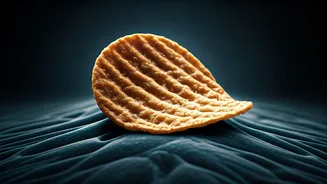
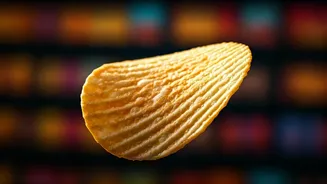
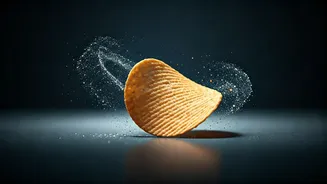
So how does this apply to 'healthier' low-calorie chips? Traditional potato chips are a classic hyper-palatable food, combining fat, carbohydrates, and salt. To lower the calorie count, manufacturers often bake the chips instead of frying them, which significantly reduces the fat content. However, to make up for the loss of flavour and texture that comes from fat, they often rely heavily on the other part of the addictive equation: the carbohydrate-and-sodium duo. Extra starches might be added to maintain texture, and the sodium level is carefully calibrated to hit that 'bliss point' that keeps your brain wanting another bite. The result is a snack that, while lower in calories, is still expertly designed to be overeaten.
The Irresistible Power of the Crunch
It’s not just about taste; texture plays a huge role. Scientists call one key factor 'dynamic contrast'. This refers to the highly satisfying experience of eating a food with multiple, contrasting textures—like a crunchy outer shell followed by a soft or creamy interior. Think of an Oreo cookie or the crust of a good pizza. A simple potato chip provides this experience in every bite: the initial, noisy crunch gives way to a starchy, slightly softer interior. This textural journey is exciting for our brains, making the experience more novel and rewarding than eating something with a uniform consistency. This satisfying crunch keeps you reaching back into the bag.
Melting Away Your Satiety
Another clever trick is known as 'vanishing caloric density'. This applies to foods that dissolve or melt quickly in your mouth, like puffed corn snacks, popcorn, or even some light and airy chips. Because the food vanishes so quickly, it essentially tricks your brain into thinking you're not consuming many calories. This phenomenon bypasses the body's normal satiety signals—the feeling of fullness you get when food lingers and requires more chewing. Your brain delays sending the 'stop eating' message, creating an illusion that you're not yet full and making it incredibly easy to consume an entire bag without realizing it.
How Chips Hijack Your Brain Chemistry
The impact of hyper-palatable foods is deeply rooted in our neurobiology. When you eat that perfect combination of salt and carbs, your brain's reward system releases a hit of dopamine, a neurotransmitter associated with pleasure. This creates a powerful feeling of satisfaction that reinforces the behavior, making your brain remember and crave that food again. Over time, frequent consumption of these foods can disrupt the delicate balance of hormones that regulate hunger and fullness. It can interfere with ghrelin, the 'hunger hormone', and leptin, the 'satiety hormone'. This means you might feel cravings even when you're not physically hungry, as your brain is chasing the pleasure response rather than responding to a genuine need for energy.