





The Name That Stuck
Anyone who has ever read a travel guide about Kolkata or even just heard stories about it has likely come across its most famous nickname: the 'City of Joy'. This title has become synonymous with the city, evoking images of cultural richness, intellectual
fervour, and a certain indomitable spirit. Unlike ancient titles rooted in mythology or geography, this one is surprisingly recent, born from the pages of a book that took the world by storm. Its story is not one of kings and empires, but of the ordinary people who define Kolkata's extraordinary character.
A Tale of a French Author and a Kolkata Slum
The nickname was popularised by French author Dominique Lapierre's 1985 novel, 'La Cité de la joie', which was published in English as 'The City of Joy'. The book is based on the true experiences of the people living in a slum called Anand Nagar, which translates to 'City of Joy'. Lapierre spent years researching the lives of its inhabitants, including a rickshaw puller named Hasari Pal, a Polish priest, and a young American doctor. The novel paints a vivid picture of the immense hardships, poverty, and suffering faced by the residents, but it also highlights their incredible resilience, generosity, hope, and their capacity for finding happiness in the smallest of things. The book, and the subsequent 1992 film adaptation, projected this paradoxical image onto the global stage.
An Identity Embraced
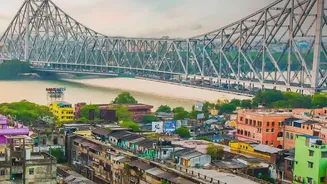
Interestingly, the Anand Nagar slum that inspired the book is technically located in Howrah, Kolkata's twin city across the Hooghly River. Yet, the name became inextricably linked with Kolkata itself. The city and its people embraced the title because it seemed to perfectly capture a fundamental truth about its character. Kolkata has faced numerous challenges throughout its history, from colonial rule to economic hardships, but it has always maintained a vibrant soul. This spirit is why it is also known as the 'Cultural Capital of India'. The city has been a cradle of the Bengal Renaissance, a movement that profoundly shaped Indian literature, art, and philosophy. It is the home of Nobel laureates like Rabindranath Tagore and Amartya Sen, and filmmakers like Satyajit Ray.
Finding the 'Joy' as a Traveller
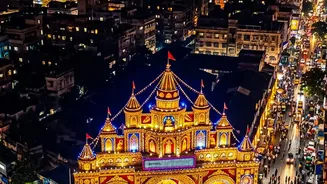
For a visitor, the 'joy' of Kolkata is not about luxury or glamour, but about immersive and authentic experiences. It is found in the intellectual buzz of College Street, the world's largest second-hand book market, and the lively debates in the historic Indian Coffee House. It's in the warmth of its people, who are known for their hospitality and openness. You can feel it during the Durga Puja festival, a UNESCO-recognized event when the entire city becomes a living art gallery, filled with creative energy and community celebration. The joy is in simple pleasures: a ride on India's only operating tram network, a boat trip on the Hooghly at sunset, or savouring street foods like puchka and kathi rolls.
A Spirit of Resilience
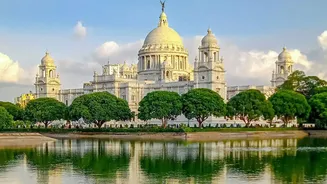
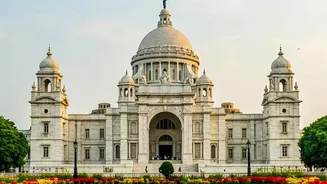
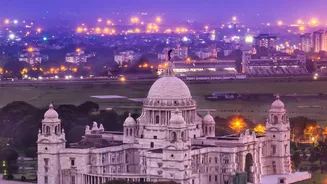
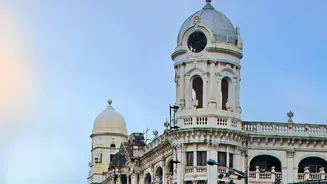
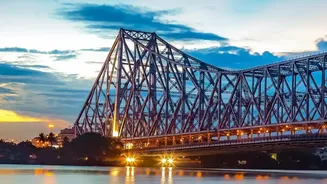
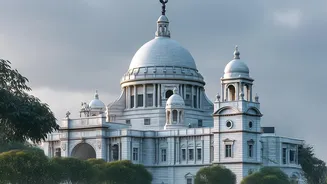
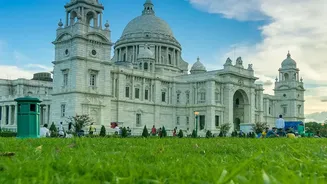
The 'City of Joy' is not a name that papers over the city's problems. Instead, it celebrates a spirit that finds light in the darkness. It acknowledges the struggles while honouring the human capacity to endure, create, and connect. The name is a testament to the people who find happiness not in material wealth, but in community, culture, and conversation. A visit to Kolkata is an encounter with this spirit. It's a chance to see a city that is more than just its grand colonial monuments like the Victoria Memorial or the Howrah Bridge; it is a living, breathing entity with a deep-seated love for life.