




More Than Just a Snack
For generations, the practice of packing homemade food for a journey has been a cornerstone of Indian travel culture. It’s an act of care, ensuring that no matter how far from home you are, a comforting taste of it is within reach. Among the pantheon
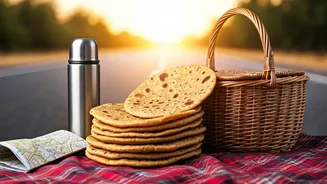
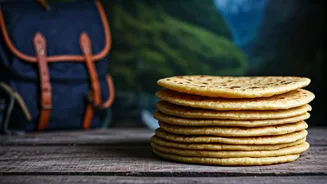
of travel-friendly foods like puri-aloo and idlis, the Gujarati thepla stands out for its sheer practicality and longevity. It’s not just a flatbread; it’s a self-contained meal that requires no reheating, no elaborate side dishes, and no fuss. Whether you’re on a long train ride, a road trip, or even waiting at an airport, a neatly packed stack of theplas is a guarantee of a satisfying, hygienic, and delicious meal that doesn't rely on questionable station food or expensive airport cafes.
The Perfect Travel Food Formula
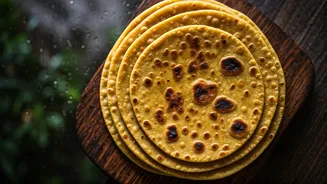
What makes thepla so uniquely suited for travel? The magic lies in its composition. Made primarily from whole wheat flour (atta), spices, and often incorporating vegetables like fenugreek (methi) or bottle gourd (dudhi), they are both nutritious and filling. They are thin, soft, and pliable, making them easy to pack and eat without creating a mess. Unlike parathas which are often thicker and best enjoyed hot, theplas are designed to be delicious even at room temperature. The blend of spices—turmeric, red chilli powder, carom seeds (ajwain), and sesame seeds—not only adds flavour but also contributes to their preservation. Turmeric, for instance, has natural antiseptic properties, while the oil used in the dough and for cooking acts as a preservative, keeping the theplas soft and preventing them from drying out.
Tips for Maximum Freshness
Making theplas for travel requires a few simple adjustments to the everyday recipe to ensure they last for several days without refrigeration. The key is to minimise moisture and maximise natural preservatives.
1. Use Oil, Not Ghee: When kneading the dough and cooking, use oil instead of ghee. Oil has a longer shelf life and helps keep the theplas softer for longer. Be generous with the oil (known as 'mon' in Gujarati) in the dough.
2. Limit Water: Knead the dough using yoghurt (dahi) instead of water wherever possible. The acidity in yoghurt acts as a natural preservative. If using vegetables like dudhi, its own water content is often enough to bind the dough.
3. Choose Your Veggies Wisely: Methi (fenugreek leaves), especially the dried version (kasuri methi), is an excellent choice as it has very low moisture. If using fresh methi or dudhi, ensure you squeeze out all excess water before adding it to the flour.
4. Cook Them Thoroughly: Ensure each thepla is cooked evenly on both sides until light golden-brown spots appear. Undercooked spots can retain moisture and lead to spoilage.
Packing and Storing on the Go
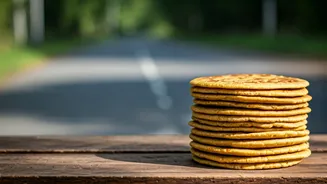
How you store the theplas is just as important as how you make them. First, allow them to cool down completely to room temperature before packing. Stacking them while still warm will create steam and condensation, which is the enemy of freshness. Once cool, stack them and wrap them tightly in aluminium foil. The foil prevents them from drying out and keeps them secure. For extra protection, place the foil-wrapped stack inside a zip-lock bag or an airtight container. This method can keep theplas fresh for up to 3-4 days, and sometimes even longer, depending on the climate. Avoid storing them with wet accompaniments; pack pickles and chutneys in separate, leak-proof containers.
The Best Travel-Friendly Pairings
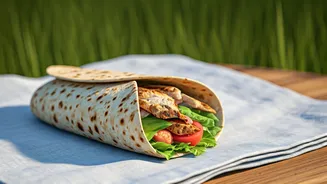
While theplas are delicious on their own, a simple accompaniment can elevate the experience. The best travel partners are those that don't require refrigeration. A sweet and sour mango pickle (chundo) is the classic choice, offering a perfect flavour contrast. Dry garlic chutney (lasan ni chutney) or a tangy lemon pickle also work wonderfully. You can even roll a thepla up with a bit of pickle inside for an easy-to-eat, one-handed meal, perfect for when you're on the move. A small container of plain, thick yoghurt can also be carried for shorter, day-long trips.