


The Invisible Culprit: Ethylene Gas
The secret saboteur in your fruit bowl is an invisible, odourless plant hormone called ethylene gas. All fruits and vegetables produce some amount of ethylene as part of their natural ripening process. It’s what helps a hard, green banana turn sweet and yellow.
However, some types of produce are 'super-producers', releasing large quantities of this gas, which dramatically accelerates the ripening—and eventual spoilage—of any sensitive produce stored nearby. Understanding this simple science is the key to making your fresh food last longer and reducing waste.
Know Your Ethylene Producers
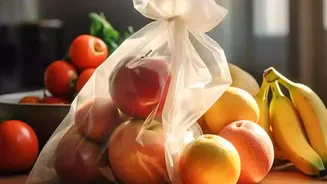
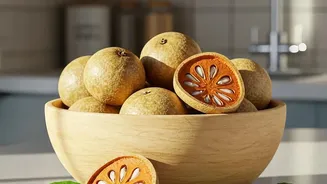
The first step in any storage strategy is to identify the main ethylene-producing culprits. Storing these items correctly can prevent a chain reaction of spoilage in your kitchen. Some of the most common high-ethylene fruits and vegetables include apples, ripe bananas, avocados, mangoes, peaches, pears, plums, and tomatoes. Think of these as the ripening agents in your pantry. Even after being picked, they continue to release the gas, influencing everything around them. While this can be useful for ripening a hard avocado quickly in a paper bag with a banana, it can be disastrous for your other fresh groceries.
Protect the Ethylene-Sensitive Victims
On the other side of the equation are the ethylene-sensitive items. These are the fruits and vegetables that will spoil, wilt, or turn bitter much faster when exposed to ethylene. The list of sensitive produce is long and includes many kitchen staples. Leafy greens like lettuce and spinach will yellow and wilt. Broccoli and cauliflower can develop yellow florets, while carrots and parsnips can develop a bitter taste. Cucumbers will yellow and develop soft spots, and delicate herbs like coriander and parsley will lose their aroma and turn yellow rapidly. Keeping these vulnerable items separated from the 'producers' is non-negotiable for extending their freshness.
A New Storage Strategy: Divide and Conquer
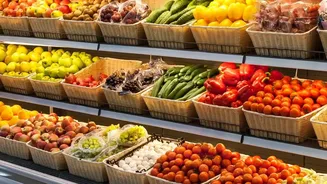
The core principle is simple: separation. Do not store high-ethylene producers next to ethylene-sensitive produce. This applies to storage on the counter, in the pantry, and in the refrigerator. A mixed fruit bowl might look appealing, but placing bananas and apples together with other fruits is a recipe for accelerated decay. Your refrigerator’s crisper drawers can be a powerful tool. Many have adjustable humidity settings. Use one drawer for ethylene-producing fruits like apples and pears, and the other for sensitive vegetables like leafy greens and carrots. This simple division creates a safe zone for your delicate produce.
Countertop vs. Refrigerator: A Quick Guide
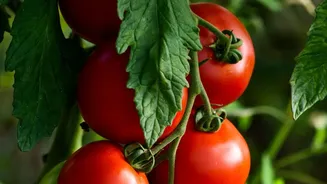
Not everything belongs in the cold. In fact, refrigeration can harm the texture and flavour of certain items. Tomatoes, for instance, should always be kept at room temperature, as the cold makes them mealy and dulls their taste. Bananas should also be kept on the counter; refrigerating them will turn the peels black. Onions, garlic, and potatoes thrive in a cool, dark, and dry place like a pantry with good air circulation. However, never store onions and potatoes together; the gases from onions can cause potatoes to sprout. Fruits like avocados, peaches, and pears can be ripened on the counter and then moved to the fridge to prolong their life once ripe.
Smart Habits for a Fresher Kitchen
Beyond separation, a few other habits can make a big difference. Don’t overcrowd your produce drawers, as good airflow helps prevent moisture buildup and spoilage. When you buy new groceries, practice the 'First In, First Out' (FIFO) method: move older items to the front of the fridge or shelf so you use them first. Creating a designated 'Eat Me First' bin in your fridge for produce that's nearing its end can also be a great visual reminder to prevent it from being forgotten and wasted. Finally, avoid washing produce like berries or leafy greens until just before you're ready to use them, as excess moisture can encourage mould growth.